 Leak Detection California
Returning to a California home after time away to find damp flooring, a musty room, or a water bill that climbed while nobody was home is a familiar and unwelcome surprise, and most of those surprises start with a leak that ran quietly while the house stood empty. A home that sits unused gives a small leak time to grow, because nobody hears a running toilet, notices a damp cabinet, or walks across a warm floor patch. The good news is that a short routine before you leave, and a careful walk through on return, catches most of these leaks early, when the damage is still limited to one area. This guide covers both routines: what to check before a trip, what to check on return, and when to call a detection specialist. If you return to flowing water, a sagging ceiling, or a floor patch that feels hot, call Leak Detection California at (833) 382-2711 and describe the sign and the room, so the visit can start at the most likely source.
Before You Leave: Shutoffs, Appliances and the Meter
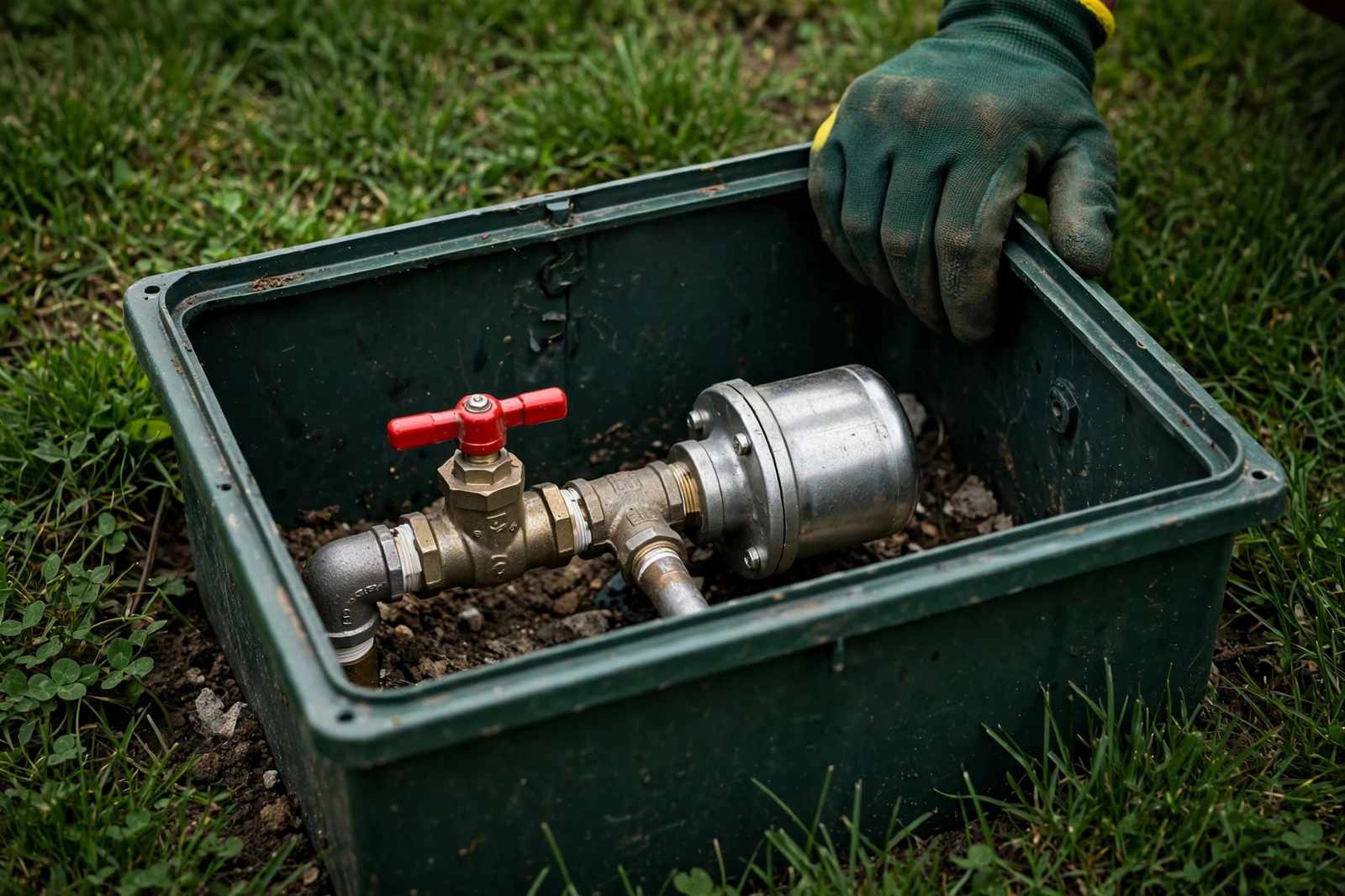
Start with the main water shutoff, and make sure every adult in the household knows where it sits and how to turn it. For a longer absence, shutting off water at the main valve is the single most effective step you can take, because it stops a supply leak from running for days or weeks while nobody is home. If shutting off the whole house is not practical, because of irrigation, a pool, or a system that needs water, shut off individual appliances instead: washing machine valves, dishwasher supply, refrigerator water line, and toilet supply valves are the usual priorities. Check each valve by turning it and watching for drips at the connection, because a valve that will not fully close is itself a problem worth fixing before you leave.
Next, run a meter test before departure, following the steps in our guide on how to check your water meter for a leak. Turn off every tap, appliance, and irrigation zone, note the reading, wait, and read it again. A meter that stays still gives you a clean baseline for the trip, while a meter that moves tells you a leak already exists and should be found before you leave, not after you return. Photograph the meter reading and the date, and keep that photo with your travel notes, because on return you can compare readings and learn whether water moved while you were away. If irrigation must run while you are gone, note the schedule and the zones, so a high bill on return can be compared with normal watering rather than treated as a mystery.
Rooms to Check Before Departure
Walk the wet rooms before you leave, and look for the small signs that are easy to miss in daily life. In bathrooms, check toilet bases for rocking or damp, look for a toilet that refills on its own, and check grout and seals around showers and tubs for darkening that stays after the room has dried. In kitchens, open the sink cabinet and feel the base and supply lines, check the dishwasher connection, and look at the refrigerator line if your fridge has a water connection. In laundry rooms, inspect washer hoses for bulges, cracks, or dampness at the connections, and check the wall behind the machine for discolouration. Each check takes only a few minutes, and together they cover most indoor sources before a trip.
Also check the water heater area, the attic access if you can look in safely, and any ceiling below an upstairs bathroom or laundry room. A water heater that shows damp at its base, a drain pan that holds water, or a ceiling stain that has appeared since your last look all deserve attention before departure, not after. If you find a sign, do not simply hope it stays small while you are away; a slow drip that seems minor can soak flooring, cabinetry, and framing over days, and a supply leak can run continuously. Either arrange a detection visit before you leave, or shut off water to that section and note the shutoff clearly, so nobody restores it without checking first. Our water heater signs guide and bathroom signs guide cover these rooms in more detail.
On Return: A Room by Room Walk Through
On return, resist the urge to turn everything on at once. Walk the house first, room by room, with the main valve still off if you shut it before leaving, and look, listen, and smell before you restore water. Check ceilings below bathrooms and laundry rooms for new stains, feel floor edges near wet rooms for damp or warmth, open sink cabinets and look at the base, and check the water heater area and laundry connections. Smell matters too: a musty room that smelled clean before the trip, a cabinet that smells damp when opened, or a hallway that carries a faint musty note all point to moisture that arrived while you were away. Note each sign, photograph it in daylight, and keep the area clear so the pattern stays visible for a technician.
Then check the meter before restoring full use. Compare the current reading with the departure photo, and run a fresh meter test with everything off, following our meter check guide. If the reading moved while the house stood empty and the main valve was off, water may have entered through a section that was not isolated, or the valve itself may not have closed fully, and that result deserves a closer look. If the reading stayed still with the valve off but moves when the valve is restored, a supply section inside the house is the likely area, and isolation testing can narrow it further. Restore water in stages, one section at a time, and watch for drips, sounds, and damp as each section pressurises, rather than opening every tap at once and masking the source.
- Photograph the meter reading and the date before departure, and compare it on return.
- Shut off the main valve for a longer absence, or shut off individual appliances if full shutoff is not practical.
- Check toilet bases, sink cabinets, washer hoses, and the water heater area before you leave.
- On return, walk ceilings, floor edges, cabinets, and the water heater area before restoring water.
- Restore water in stages and watch for drips, sounds, and damp as each section pressurises.
- Keep a short log of signs, photos, and meter readings to share with a detection specialist.
Yard, Irrigation and Pool Checks After an Absence
Yard signs often tell the story of a trip more clearly than indoor signs, because irrigation kept running while the house stood still. Walk the yard after a dry spell and look for ground that stays soft, a strip of planting that grows faster than the rest, a head that sprays weakly or unevenly, and a valve box that holds water when the system is off. Test zones one at a time, and note the zone number and the area it covers when a zone shows weak pressure or pooling while other zones run normally. A service line leak can also show up after an absence as a yard patch that stays soft through dry weather, a walkway section that stays damp, or pressure that drops at taps across the house at the same time. Our irrigation leak detection and water service line leak detection services follow that zone by zone logic.
Pools and spas need their own return check, because evaporation, splash, and backwashing all remove water legitimately, and a trip makes it hard to tell normal loss from a leak. Compare the water level with where you left it, allowing for evaporation in warm weather, and check equipment, fittings, lights, and skimmers for damp, staining, or drips. A pool that lost water steadily with the pump off points to a different section than a pool that loses water only when the pump runs, and that distinction guides the next check. Our pool leak signs guide explains the bucket test and the fitting checks that separate evaporation from a real leak. If the pool level dropped sharply, or if equipment shows damp that was not there before the trip, arrange a detection visit before topping up repeatedly, because repeated topping up can mask a leak that should be found.
Seasonal Homes and Longer Absences
Homes that sit empty for a season, rather than a single trip, need a longer version of the same routine. Before a seasonal absence, shut off water at the main valve if practical, drain exposed lines that could be affected by cold snaps in inland and mountain areas, and check that the water heater, washing machine, and dishwasher supplies are all closed. Ask a neighbour or a trusted contact to walk the house at intervals, and give them a short checklist: look for ceiling stains, feel floor edges near wet rooms, check the water heater area, and note any musty smell. A regular walk through catches a leak in its first days rather than at the end of a season, and a short written log from each visit, with dates and photos, makes the pattern clear on return.
For a seasonal home, the return walk through should be slower and more thorough than after a short trip. Check ceilings, walls, and floor edges in every room, not just wet rooms, because a leak that ran for weeks can spread further than a leak that ran for days. Check the attic and crawlspace only if you can do so safely, and look for damp insulation, sagging material, or musty smells that were not present before the absence. Check the yard and irrigation zones in the same way, and compare the water bill for the absence period with the same period last year, allowing for irrigation schedules that kept running. If any sign appears, or if the meter moved while the house stood empty, arrange detection before restoring normal use, because a house that has sat damp for a season needs a located source, not just a mop and a fan. Our crawlspace leak detection and attic leak detection pages cover those harder to reach areas.
| Before you leave | On return | What it tells you |
|---|---|---|
| Photograph the meter reading | Compare the reading on return | Whether water moved while you were away |
| Shut off the main valve or appliances | Restore water in stages | Which section drips or sounds when pressurised |
| Check wet rooms and the water heater | Walk ceilings, floors, and cabinets | Whether a new stain or damp patch appeared |
| Note the irrigation schedule | Walk yard zones one at a time | Whether a yard sign matches a zone or a line |
When to Call After a Trip
Call for detection when a sign keeps returning after your return, when a meter test shows movement with everything off, when a floor patch feels warm, when a yard patch stays damp in dry weather, or when a stain grows steadily rather than fading. Bring the departure meter photo, the return reading, the irrigation schedule, and your room by room notes, because that record lets a technician start with isolation rather than repeating basic tests. A detection visit after a trip often proceeds quickly, because the absence itself is evidence: water that moved while nobody used any is water that escaped, and the meter log shows when and how much. That clarity helps the technician narrow the section and locate the break with less trial and error.
Leak Detection California serves homes across California, including vacation and seasonal homes, and our water leak detection page explains the service in full. For urgent situations on return, our emergency leak detection page covers fast visits, and our water leak emergency guide covers the first steps when water is flowing. If you returned to damp flooring, a musty room, a bill that climbed while you were away, or a meter that moved with everything off, call Leak Detection California at (833) 382-2711 and describe what you found, when you left and returned, and what your meter readings showed, so the visit can start at the most likely source.
Frequently Asked Questions
Should I shut off water before leaving a vacation home?
For a longer absence, shutting off water at the main valve is the most effective step, because it stops a supply leak from running while nobody is home. If that is not practical, shut off individual appliances such as washing machine valves and toilet supplies.What should I check first on return?
Walk the house before turning everything on: ceilings below bathrooms, floor edges near wet rooms, sink cabinets, and the water heater area. Then compare the meter reading with your departure photo and run a fresh meter test with everything off.How do I check my water meter for a leak after a trip?
Turn off every tap, appliance, and irrigation zone, note the meter reading, wait, then read it again. If the reading moves while nothing is in use, water is leaving the system somewhere.When should I call for leak detection after a trip?
Call promptly when a sign keeps returning, when a meter test shows movement with everything off, when a floor patch feels warm, or when a yard patch stays damp in dry weather. Call urgently if water flows actively or a ceiling sags. You can reach Leak Detection California at (833) 382-2711.More From the Blog

Water Leak Emergency: What to Do in the First 60 Minutes
Shut off the main valve, make the area safe, protect your belongings, and document damage. A clear first-hour plan for a California water leak emergency.
Read article →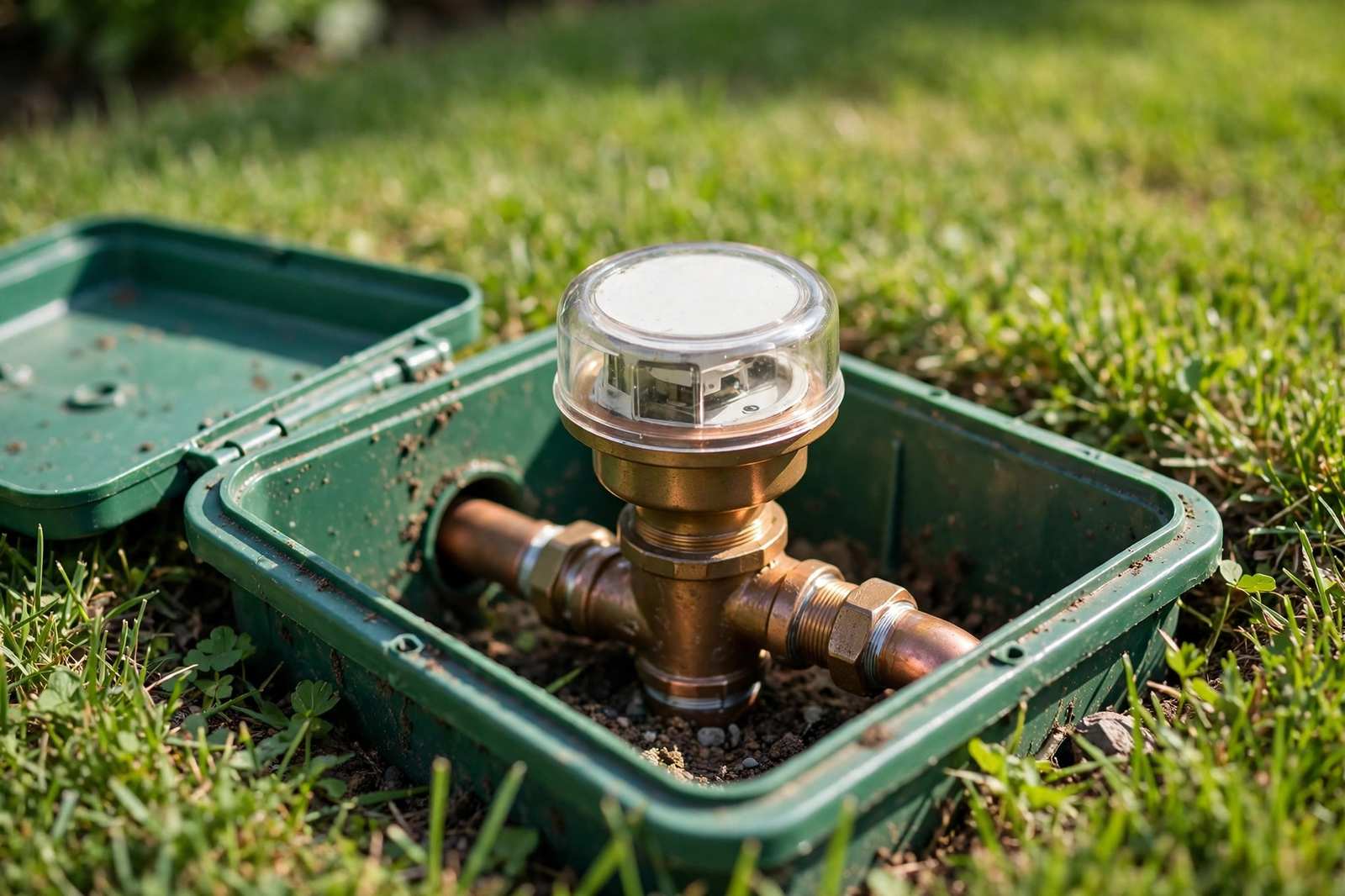
Your Water Bill Spiked: Is It a Leak or Just Higher Rates?
A higher total does not always mean a leak. Compare usage with last year, do a simple meter check, and learn which culprits waste water silently and which are just rates.
Read article →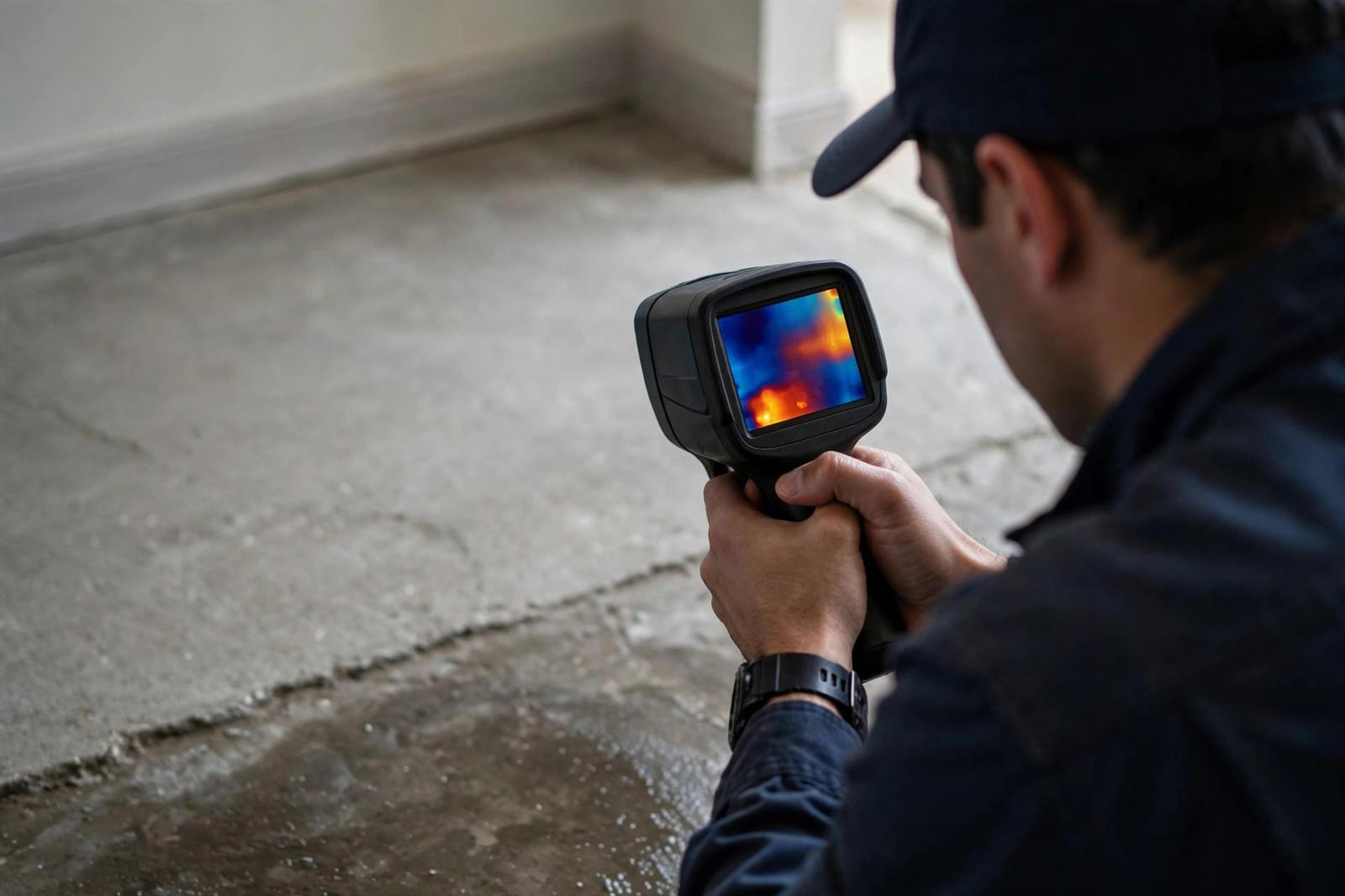
Why Slab Leaks Are So Common in Southern California
Clay soils, hard water, aging copper, and slab construction combine across Southern California. Here is why slab leaks cluster there and how they are found.
Read article →