 Leak Detection California
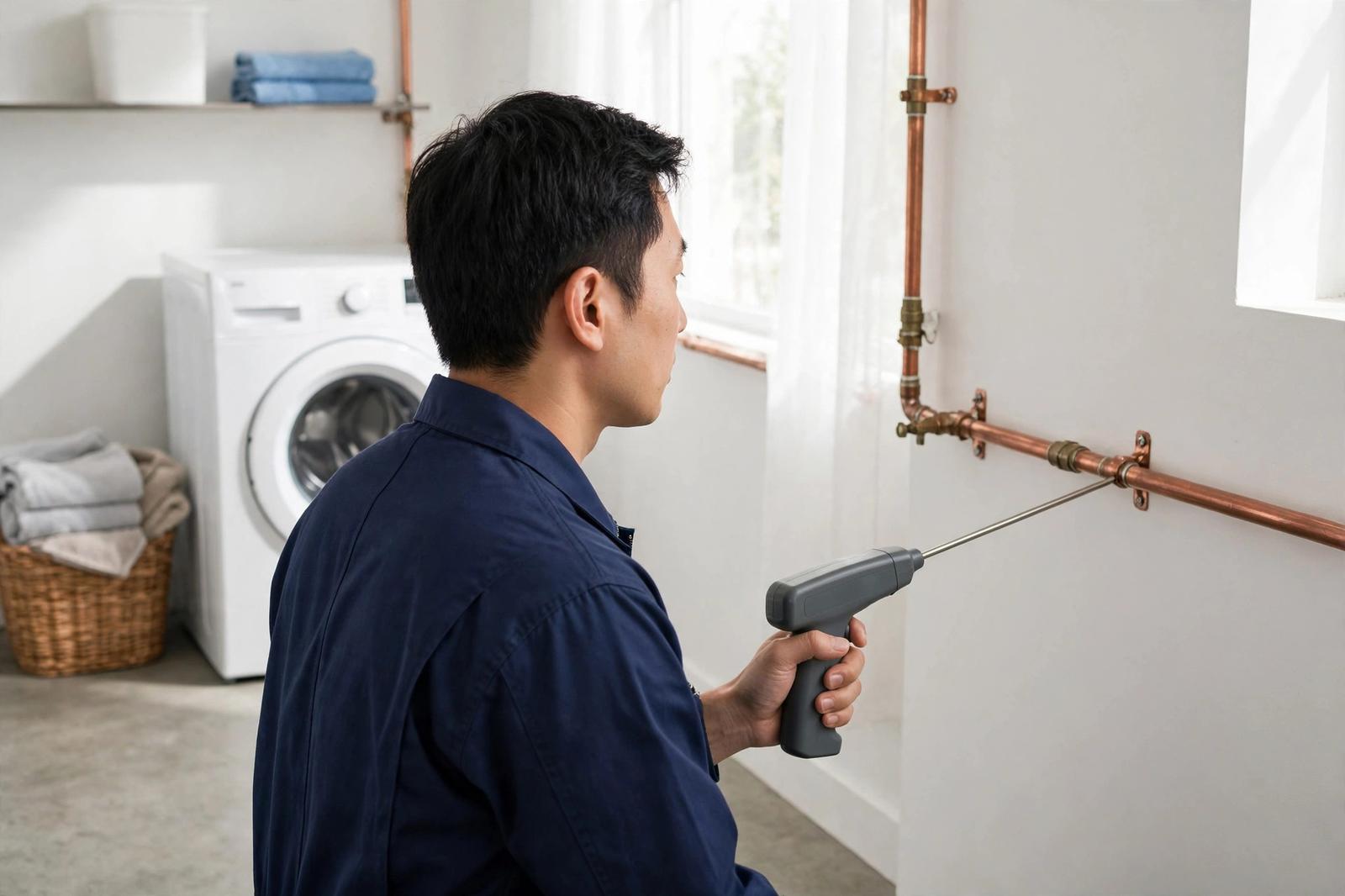
Water leak detection is the specialized process of finding hidden plumbing leaks with non-invasive technology instead of guesswork and demolition. When water escapes inside a wall, beneath a concrete slab, or underground in your yard, you rarely see the leak itself. You see the symptoms: a climbing water bill, a damp stain spreading across drywall, or the faint sound of running water when every fixture is off. Professional leak detection closes the gap between symptom and source, pinpointing the exact location so any repair is surgical instead of destructive.
Our technicians combine acoustic listening devices, thermal imaging cameras, moisture meters, tracer gas, and pressure testing to locate leaks that other methods miss. We serve homes and businesses across California, same-day appointments are available, and every visit ends with a clear explanation of what we found and what should happen next. If you suspect a hidden leak anywhere on your property, call now and we will track it down.
What Professional Water Leak Detection Involves
Leak detection is a diagnostic trade, not a plumbing repair. A detection specialist's job is to answer three questions: is there a leak, which line is leaking, and exactly where. Answering those questions without opening walls or jackhammering floors takes purpose-built equipment and a methodical process. Here are the core tools of the trade and what each one reveals:
| Technology | What it finds | Best used for |
|---|---|---|
| Acoustic listening devices | The hiss or vibration of pressurized water escaping a pipe | Supply lines in walls, slabs, and underground |
| Thermal imaging cameras | Temperature differences caused by escaping hot or cold water | Hot-water slab leaks, radiant heat, ceilings |
| Tracer gas (hydrogen/nitrogen mix) | Tiny leaks that make no audible sound | Concrete slabs and deeply buried lines |
| Pressure testing and isolation | Which line or zone is losing pressure | Whole-house diagnosis before pinpointing |
| Pin-type and pinless moisture meters | Moisture trapped inside building materials | Walls, floors, and ceilings |
| Endoscopic inspection cameras | Visual confirmation inside hidden cavities | Wall voids, drains, and crawlspaces |
No single tool works in every situation, which is why a proper survey layers several of them. An acoustic sweep might narrow a leak to a ten-foot section of slab, thermal imaging narrows it to two feet, and tracer gas or direct listening confirms the exact spot to open.
Warning Signs You May Have a Hidden Water Leak
Hidden leaks announce themselves indirectly. If you notice any of the following, a detection survey is the fastest way to confirm what is happening before the damage spreads:
- A water bill that jumps with no change in usage habits
- The sound of running or hissing water when every fixture is off
- Warm spots on tile or concrete floors
- Damp, musty, or earthy odors that will not go away
- Stains, bubbling paint, or soft drywall on walls or ceilings
- A sudden drop in water pressure at fixtures
- One patch of lawn that is greener or soggier than the rest
- Your water meter creeping forward with everything shut off
A single symptom can have several causes, so resist the urge to diagnose from one clue alone. A warm floor spot, for example, can mean a hot-water slab leak, but it can also be normal heat migration from a nearby duct. Professional equipment tells the difference in minutes.
Our Step-by-Step Detection Process
Every visit follows the same disciplined sequence, whether the suspected leak is in a wall, under a slab, or out in the yard:
- Symptom interview. We start with what you have noticed: when it started, where you see or hear it, and what has changed. Your observations tell us where to look first.
- Meter verification. We check your water meter with all fixtures off to confirm water is actually moving through the system when it should not be.
- Systematic survey. Using acoustic listening and thermal imaging, we sweep the suspect areas and map every anomaly.
- Isolation pressure testing. We isolate sections of the system, hot from cold and interior from exterior, to identify exactly which line is losing pressure.
- Pinpoint and mark. The leak location is narrowed to a precise point and marked, so any repair opens the smallest possible area.
- Written findings. You get a clear explanation of what we found, where it is, and what the sensible next steps are.
This process typically takes one to three hours for a residential property, depending on the size of the home and how elusive the leak proves to be.
Why Hidden Leaks Should Never Wait
A small leak is never just a small leak for long. Water that escapes inside a structure feeds mold growth within 24 to 48 hours, softens drywall and subflooring, and can undermine soil beneath a foundation. What begins as a faint stain can become a collapsed ceiling or a cracked slab if it runs unchecked for months.
The financial side is just as unforgiving. A single leaking toilet flapper can waste hundreds of gallons a day, and a pressurized supply-line leak can run thousands of gallons into the ground before anyone notices. Many California water utilities offer leak adjustments on unusually high bills, but they require documentation of the leak and its repair, another reason a professional detection report matters. Finding the source early is always the least expensive path. For an upfront quote on a detection visit, just call and describe what you are seeing.
Schedule Water Leak Detection in California
When you call us, you get a licensed and insured detection specialist, not a salesperson. Our approach is non-invasive first: we exhaust every listening, imaging, and testing method before recommending that anything be opened. Same-day appointments are available across our California service area, and you will know exactly what we found before we leave.
- Licensed and insured leak detection specialists
- Acoustic, thermal, tracer-gas, and pressure-testing equipment on every truck
- Precise marking so repairs stay small and surgical
- Clear written findings you can hand to your plumber or insurer
Do not let a hidden leak keep spreading. Call (833) 382-2711 now for fast, accurate water leak detection anywhere in California.
The Signs Homeowners Usually Notice Second
The water bill is normally the first sign. The second signs are quieter, and they are the ones that tell a technician where to start looking. A meter dial that creeps when every tap is closed. A toilet that refills itself for a few seconds at random times of day. Baseboards that smell faintly musty in a room with no visible water. Flooring that feels a fraction warmer in one spot on a cold morning.
None of these proves a leak on its own, and that is the point of a proper inspection: each small clue narrows the search before any equipment comes out. When you call, mention whatever you have noticed, even if it seems unrelated. The pattern of small signs is often what separates a one hour visit from a long one.
Water Leak Detection Across California
We provide this service in every corner of California, a few of the 988 cities we serve.

Related Services
Pair this service with related detection, or see all 15 services.

Commercial Leak Detection
Commercial leak detection is the location of hidden water leaks in non-residential properties: office building…
Learn more →
Water Service Line Leak Detection
Water service line leak detection targets one specific pipe: the pressurized line running from the street's wa…
Learn more →Frequently Asked Questions
How long does a leak detection visit take?
Most residential visits take one to three hours. A straightforward wall or ceiling leak can be pinpointed in under an hour, while an elusive underground or slab leak that requires tracer gas and pressure isolation can take longer. We work until the source is found, not until a clock runs out.
Will you have to tear open my walls or floors to find the leak?
No. Detection is non-invasive by design. We use listening equipment, thermal cameras, and meters to locate the leak from the surface. If a repair is needed afterward, the leak is marked precisely so only a small, targeted opening is required.
Can you find leaks under a concrete slab?
Yes. Slab leaks are one of our most common calls. We combine thermal imaging for hot-water lines, acoustic listening for pressurized leaks, and tracer gas for leaks too small to hear, then confirm with pressure isolation before anything is opened.
What happens if you don't find a leak?
Then you have valuable information: the system holds pressure and the symptoms point elsewhere, such as condensation, drainage, or a roofing issue. We will tell you honestly what we ruled out and where to look next instead of inventing a leak to justify the visit.
How much does leak detection cost?
Every property is different, so we quote each job individually. Call (833) 382-2711 for an upfront quote: describe the symptoms and the property, and we will give you a straight answer before we dispatch anyone.