 Leak Detection California
Before you book an inspection, or while you are deciding whether you need one, it helps to understand what you are dealing with. These guides distill what our specialists see every day across California into plain-language explainers: how to read the warning signs, how the technology works, what drives the cost of an inspection, whether insurance helps, and where DIY ends and professional equipment begins.
Each guide is written for California homes and businesses specifically, slab foundations, tiered water rates, irrigation-heavy yards, and all. Start with whichever matches your situation, or call (833) 382-2711 and we will point you to the right one.
Prefer to talk it through instead of reading? Every guide ends at the same place: a conversation with someone who does this work daily. Call (833) 382-2711 with your symptoms and we will give you a straight answer about whether an inspection is warranted, no obligation, no pressure.
Leak Detection Guides
Practical, expert guidance for California homeowners.
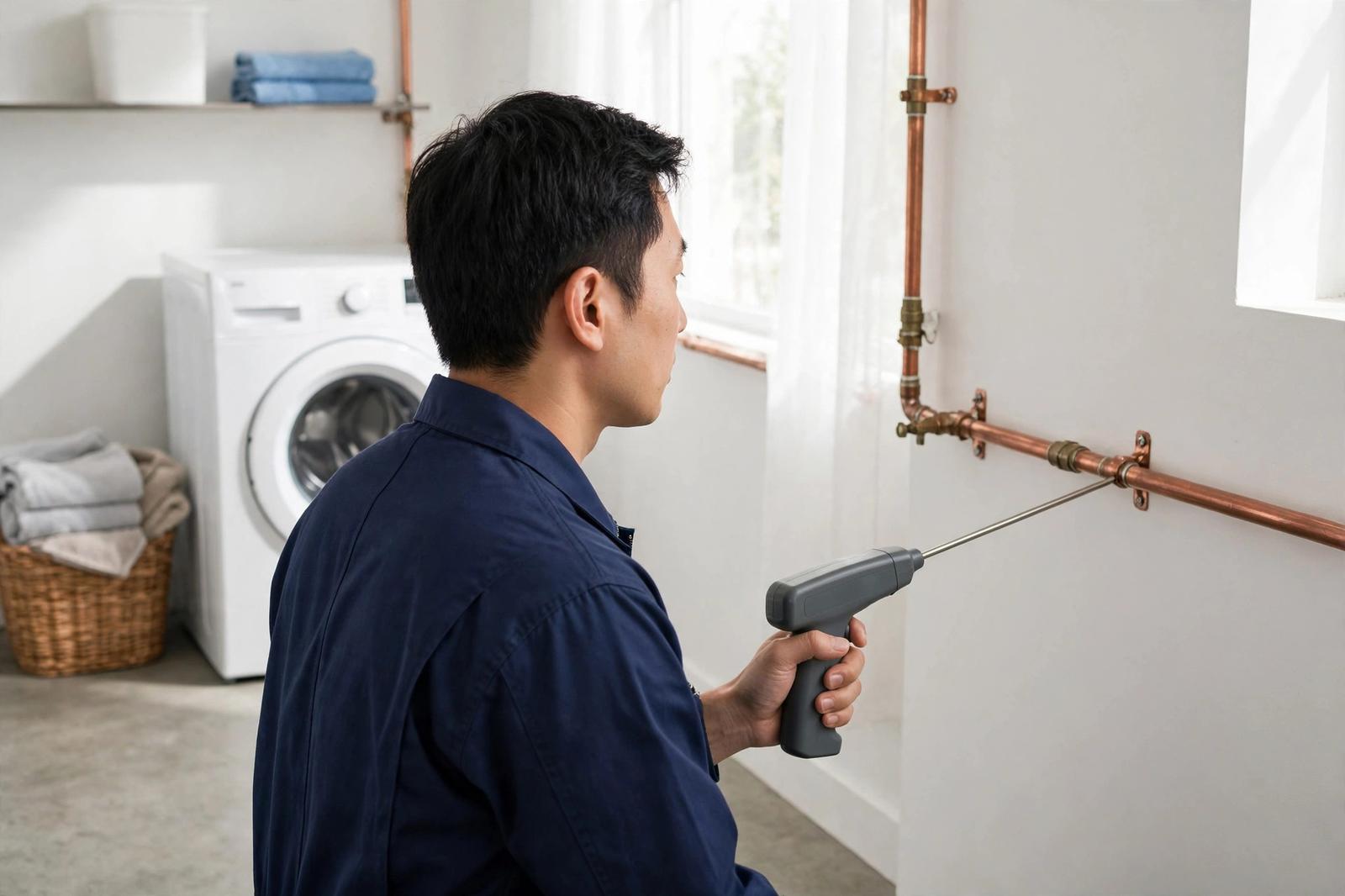
Signs of a Hidden Water Leak
A hidden water leak is a plumbing failure you cannot see: a pinhole in a copper line behind drywall, a cracked fitting u…
Read guide →
How Leak Detection Works
Professional leak detection is the process of finding the exact location of a hidden water leak using specialized, non-i…
Read guide →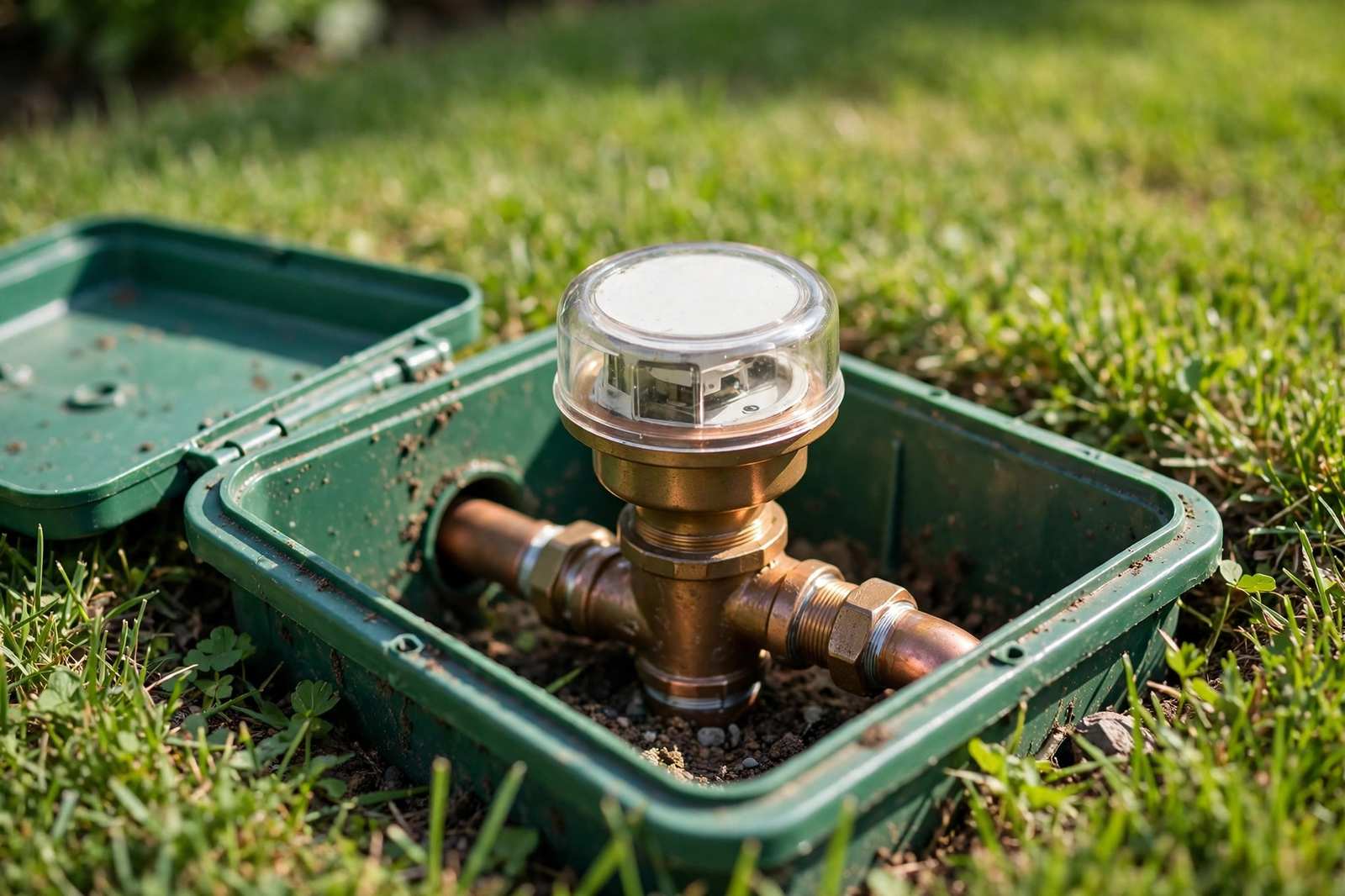
How Much Does Leak Detection Cost
There is no single flat figure for professional leak detection, because no two leak hunts are the same job. Finding a pi…
Read guide →How to Check Your Water Meter for a Leak
Your water meter is the most honest witness in your home: if every tap is off and the meter is still moving, water is go…
Read guide →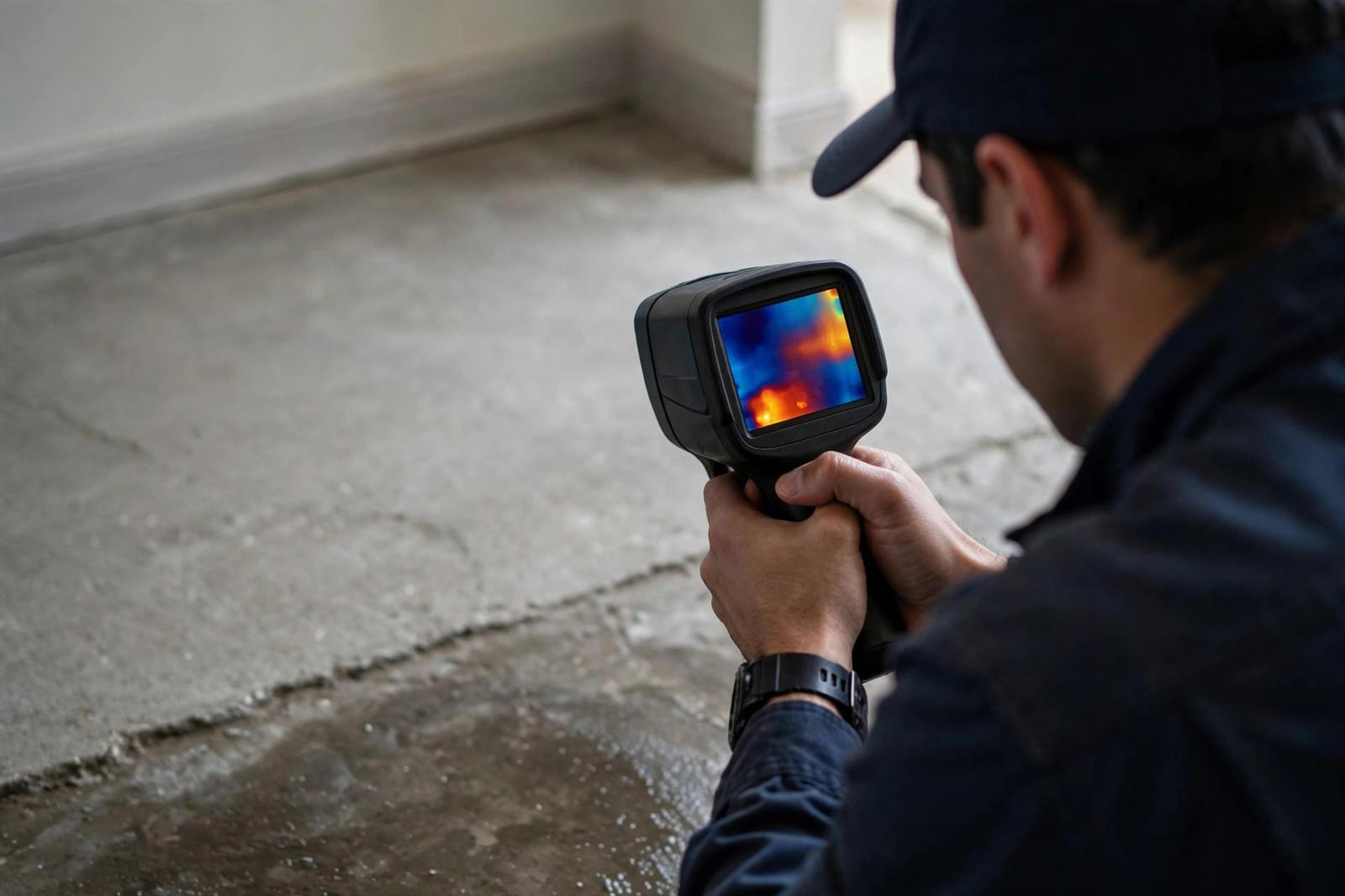
Slab Leak Warning Signs
A slab leak is a failure in the pressurized water lines buried beneath your home's concrete foundation. Because those pi…
Read guide →
Swimming Pool Leak Signs
A swimming pool that needs constant refilling usually has a leak, but "usually" is not certain, because evaporation, spl…
Read guide →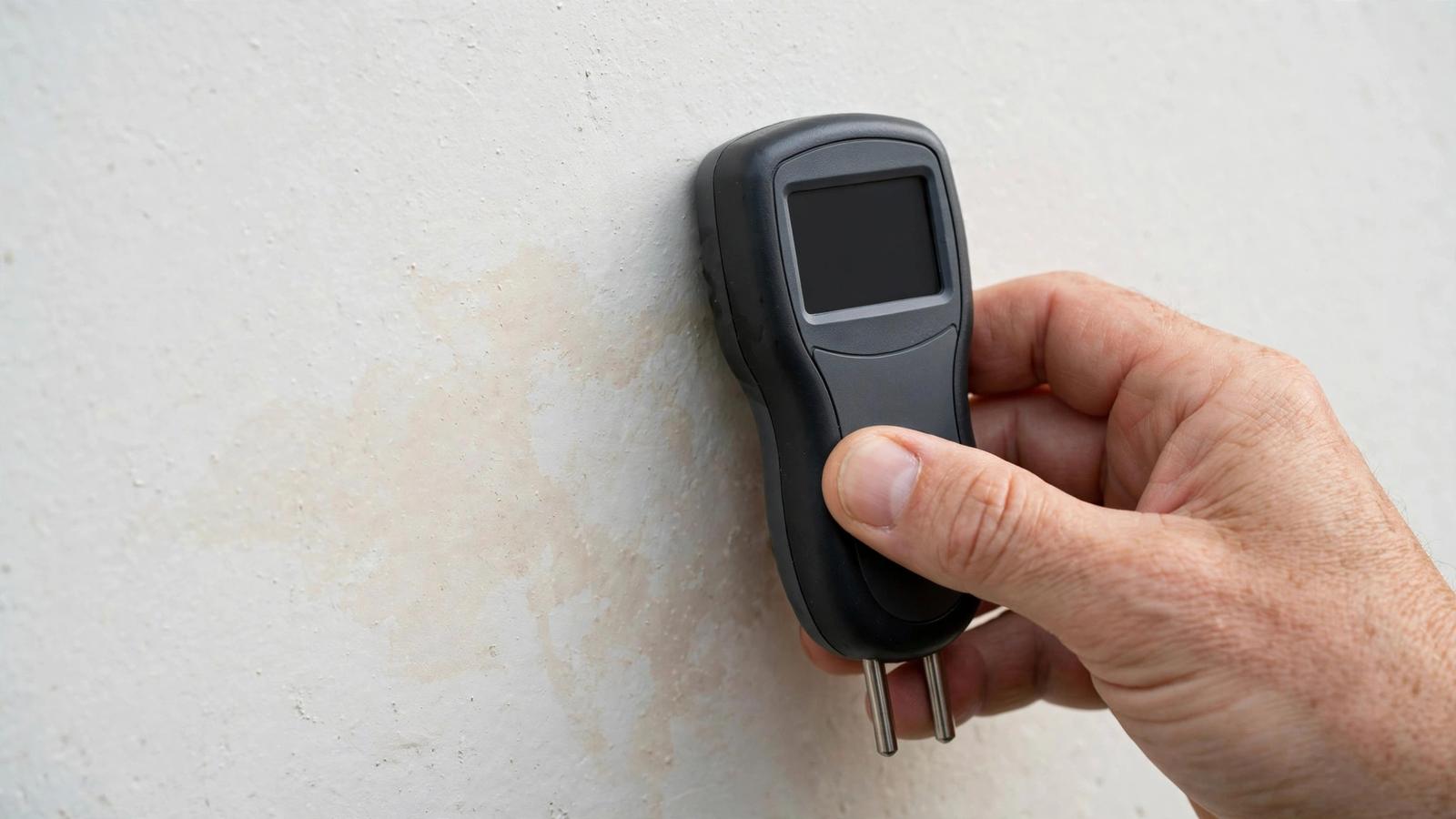
Does Homeowners Insurance Cover Leak Detection?
The honest answer is: sometimes. Whether your homeowners insurance contributes toward leak detection depends on your spe…
Read guide →DIY vs Professional Leak Detection
Some leak checks are genuinely do-it-yourself friendly, the water meter test, a toilet dye test, a careful visual inspec…
Read guide →When a Guide Isn't Enough: Talk to a Specialist
Guides are excellent for recognizing symptoms and understanding the process, but they have a hard limit: they cannot confirm a leak. Only instruments, acoustic sensors hearing through concrete, thermal cameras seeing temperature anomalies, pressure rigs proving a loss, can turn suspicion into a marked location.
The practical rule: use the guides to decide whether your situation warrants an inspection, then let a specialist take it from there. If your meter advances with everything off, if you hear water where none should run, or if a bill spike has no innocent explanation, you have already learned enough, the next step is a phone call, not more reading.
That call is honest triage, not a sales pitch. Describe what you are seeing to (833) 382-2711; if your symptoms point elsewhere, we will say so. If they point to a hidden leak, we will schedule the inspection that finds it.
Start With Your Situation
- Signs of a Hidden Water Leak: the ten warning signs that most often precede a confirmed leak, from unexplained bill spikes to warm floor patches. Learn which symptoms merit an immediate call and which warrant watching for another billing cycle.
- How Leak Detection Works: a walkthrough of the actual inspection: meter analysis, pressure testing, acoustic listening, thermal imaging, and tracer methods, in the order a specialist uses them and what each step proves.
- How Much Does Leak Detection Cost?: no prices are published on this site, so this guide explains what actually drives the quote: property size, leak category, access complexity, and emergency timing, plus how to get an accurate figure with one phone call.
- How to Check Your Water Meter for a Leak: the two-minute at-home test our specialists recommend before anything else. Step-by-step instructions for reading analog and digital meters, and how to interpret what the dial tells you.
- Slab Leak Warning Signs: California’s slab-on-grade tracts make this the state’s signature hidden leak. Hot spots on floors, phantom water sounds, and foundation clues, what they mean and how quickly to act.
- Swimming Pool Leak Signs: evaporation versus a real leak: the bucket test, equipment-pad clues, and structural symptoms that distinguish normal water loss from plumbing failures worth investigating.
- Does Homeowners Insurance Cover Leak Detection?: the nuanced answer: when detection itself is covered, when resulting damage is, documentation that strengthens a claim, and the questions to ask your carrier before work begins.
- DIY vs. Professional Leak Detection: an honest map of what homeowners can check themselves (meter tests, toilet dye tests, visual sweeps) and where consumer tools hit their limit, the point where acoustic and thermal equipment earns its keep.
Read the guide that fits, then take the next step with confidence: (833) 382-2711. If your situation matches what you have read, one call schedules the inspection.