 Leak Detection California
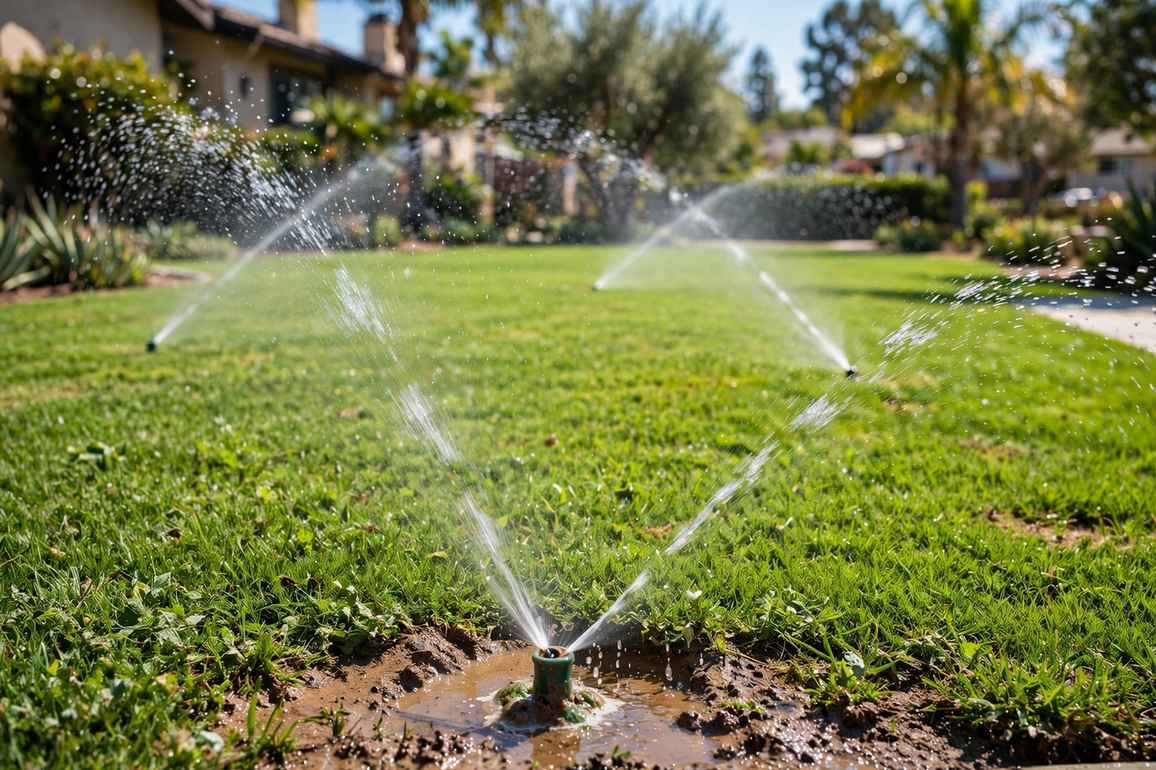
Irrigation and sprinkler leak detection is the process of finding water losses in landscape watering systems: the network of valves, lateral lines, and sprinkler heads that keeps California lawns and plantings alive. These systems leak differently from household plumbing. They are low-pressure, they run on schedules, and their pipes sit just inches underground across the entire yard, which means a leak can waste thousands of gallons a month while showing nothing more than one suspiciously lush patch of grass.
We diagnose sprinkler systems zone by zone, isolating each valve circuit and pressure-testing it independently to find exactly which run is losing water. Then we trace that run with acoustic listening at valve boxes and visual inspection along the line to mark the break for repair. If your water bill climbs every summer or your lawn has spots that never dry, call (833) 382-2711.
How Sprinkler Leaks Differ From Indoor Leaks
Everything about an irrigation system changes the diagnostic approach:
| Factor | Household plumbing | Irrigation system |
|---|---|---|
| Pressure | High, constant pressure | Lower pressure, only when the zone runs |
| Pipe depth | Inside walls or under slabs | 6 to 12 inches under soil across the yard |
| Leak sound | Loud hiss, easy to hear | Often silent; water just percolates into soil |
| Layout | Compact runs | Long lateral runs with many joints and heads |
| Symptoms | Stains, sounds, warm spots | Soggy turf, geysers at heads, high bills |
Because the system only pressurizes during watering cycles, the classic indoor technique of listening for a constant hiss often fails outdoors. Zone isolation, testing one valve circuit at a time, is the foundation of irrigation diagnosis instead.
Signs Your Sprinkler System Is Leaking
Sprinkler leaks hide in plain sight. Look for:
- A water bill that spikes during watering season with no schedule change
- Soggy spots or standing water in the lawn hours after watering ends
- One zone with weak, misting, or non-rotating heads while others run fine
- Geysers or bubbling around a sprinkler head or valve box
- Erosion channels or exposed pipe in planting beds
- Mushrooms or algae thriving in one area
- A valve box full of water that never drains
- Sidewalk or driveway that stays wet near the lawn edge
The weak-zone symptom is especially telling: when one lateral line is broken, pressure escapes at the break and the heads downstream starve. If a single zone underperforms while the rest of the system is strong, that zone almost certainly has a leak.
Our Zone-by-Zone Diagnostic Process
We work the system the way it is built, one zone at a time:
- Controller and schedule review. We check run times and programming first, because overwatering mimics leaking and is free to fix.
- Visual head check. With each zone running, we walk it: tilted, clogged, sunken, or mismatched heads waste water and mask real leaks, so we note them all.
- Zone isolation testing. We shut down zones individually and watch the water meter, identifying which circuit continues drawing water when it should be still.
- Valve box inspection. We open every valve box on the suspect zone, checking diaphragms, solenoids, and seals. A weeping valve that never fully closes is one of the most common culprits.
- Lateral line tracing. On the leaking run, acoustic listening and careful probing trace the line to the break, which we mark for repair.
- Repair-ready report. You get the zone, the location, and the likely cause, plus notes on any head or coverage issues we spotted along the way.
Most residential sprinkler diagnoses take one to two hours. Larger properties with many zones take longer, but the zone-by-zone method keeps it systematic instead of sprawling.
Preventing the Next Sprinkler Leak
Most sprinkler leaks are preventable with basic seasonal care. Start each spring with a zone-by-zone walkthrough: look for geysers, tilted heads, and soggy spots before the watering season ramps up. Keep system pressure regulated, since excessive pressure stresses joints and blows out heads; a simple pressure regulator at the backflow preventer pays for itself. In areas with freezing winters, blow out the lines each fall, because trapped water expands and cracks pipes and valves. Trim grass away from heads so mowers do not clip them, and flag head locations before any aeration or landscaping work. Finally, review your controller programming yearly: overwatering masks leaks by keeping everything soggy, while smart scheduling makes new leaks visible faster. A one-hour annual check beats a summer of mystery water bills. If a zone starts behaving oddly mid-season, do not wait for fall: early detection keeps a small lateral crack from becoming a season-long water bill.
Stop Watering the Soil and Start Watering the Lawn
A leaking irrigation system is money soaking into the ground every cycle, and in California's water reality, it is also waste you cannot afford. Our licensed and insured specialists diagnose sprinkler systems with purpose-built zone-isolation methods, mark every break precisely, and give you a clear repair roadmap. Same-day appointments are available across California.
- Zone-by-zone isolation pinpoints the leaking circuit
- Valve, lateral line, and head failures all diagnosed
- Marked break locations ready for your landscaper or plumber
- Coverage and programming issues flagged at no extra mystery
High water bill or soggy lawn? Call (833) 382-2711 now for expert irrigation and sprinkler leak detection in California.
The Zone-by-Zone Isolation Method
Irrigation systems are built in zones for a reason, and that same structure is how leaks get isolated. By running one zone at a time and watching the meter, a technician can prove which zone is losing water and clear the rest of the system in a single visit.
Inside the guilty zone, the search narrows fast. Pressure behavior separates a broken head from a cracked lateral line. Soil moisture patterns show where water has been escaping long enough to change the ground. By the time digging is discussed, it is aimed at a specific joint or fitting, not a whole yard. That precision is the difference between a small repair patch and re-trenching a garden bed.
Irrigation & Sprinkler Leak Detection Across California
We provide this service in every corner of California, a few of the 988 cities we serve.

Related Services
Pair this service with related detection, or see all 15 services.
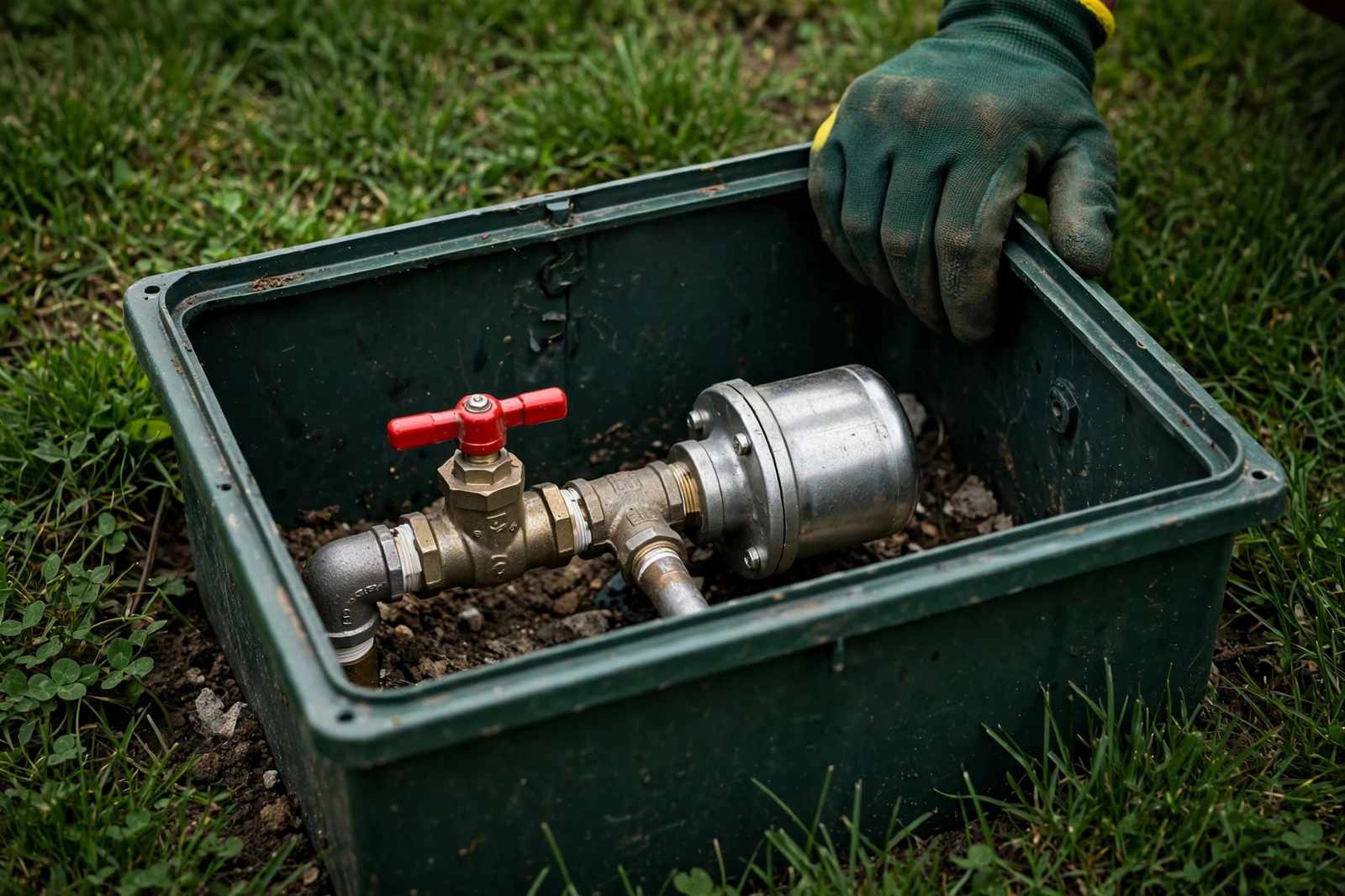
Yard Meter Box Leak Detection
Yard meter box leak detection is meter-side diagnostics: the focused investigation of everything happening in…
Learn more →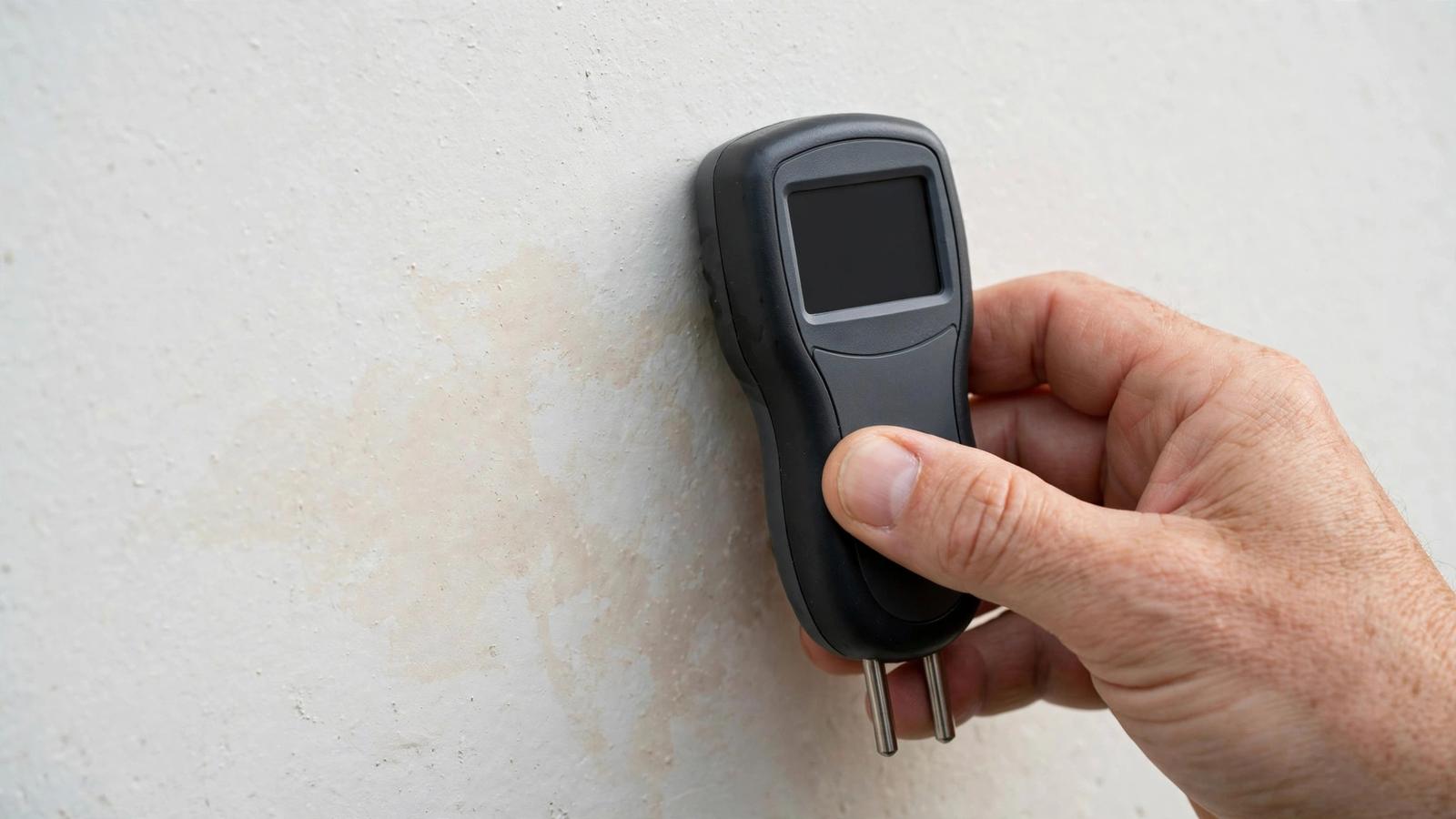
Ceiling & Wall Leak Detection
Ceiling and wall leak detection is the art of finding water hiding inside your home's structure. A brown stain…
Learn more →Frequently Asked Questions
How do you find which sprinkler zone is leaking?
By isolation. We run the zones one at a time while watching the water meter and system behavior. The zone that draws water abnormally, shows weak heads, or keeps the meter moving after shutoff is the leaking circuit, and we then trace that specific run to the break.
My water bill is high but the lawn looks fine. Could it still be the sprinklers?
Yes. A broken lateral line deep in a planting bed or a weeping valve can lose thousands of gallons underground with no surface symptom except the bill. The meter does not lie: if it moves when the system should be still, water is going somewhere.
Do you handle drip irrigation systems too?
Yes. Drip lines leak differently, usually at emitters, connections, and filter assemblies, and they are diagnosed by zone isolation plus visual inspection along the tubing run. The same systematic approach applies.
Should I check the system seasonally?
A spring start-up check is smart: winter soil movement cracks pipes and shifts heads, and catching it in spring prevents a whole season of waste. We can diagnose the full system in a single visit each year.
How much does sprinkler leak detection cost?
It depends on the number of zones and the size of the property. Call (833) 382-2711 for an upfront quote based on your system.