 Leak Detection California

If you have a water leak emergency, shut off the main water valve first, then turn off power to any wet area where water is near outlets or appliances. Move valuables off the floor, take photos of the damage, and contain standing water with towels and buckets while you call for help. Those first moves in the first 60 minutes limit damage more than any cleanup you do later.
Minute One to Ten: Shut Off the Main Valve
The fastest way to stop a leak from getting worse is to stop the water feeding it. Most California homes have a main shutoff in one of three places. Look near the street at the water meter box, which usually sits in a concrete or plastic box near the curb or sidewalk. Look on the front or side wall of the house where the main line enters, often near an outdoor hose bib. Look in the garage, especially on the wall facing the street, where builders in many newer subdivisions placed the valve for quick access.
The valve is usually either a gate valve with a round wheel handle or a ball valve with a lever handle. A ball valve is off when the lever sits across the pipe. A gate valve needs several turns clockwise until it stops. Do not force it past the stop. If the house valve does not fully stop the flow, the meter box valve is your backup. Lift the lid carefully and turn the valve on the house side of the meter.
Once the main is off, open a low faucet in a tub or sink to drain pressure from the lines. That small step stops residual water from pushing through the break and gives you a clear sign the shutoff worked. If water is still running hard after both valves are closed, treat it as an active emergency and say so when you call for emergency leak detection. A broken main line between the meter and the house will not stop with an indoor fixture valve, and that detail helps the technician arrive with the right plan.
If the leak is isolated to one fixture, its local shutoff can work in the short term. Still learn your main valve location today. In a burst pipe or slab leak, a fixture valve will not help, and minutes spent searching cost real damage.
Make the Area Safe Before You Clean Anything
Water and electricity are a dangerous mix, and safety comes before mopping. If water is pooling near outlets, a plugged in appliance, a power strip on the floor, or your electrical panel, stay out of the standing water and turn off power to that area at the breaker box if you can reach the box on dry ground. Flip the breakers for the affected rooms only. You do not need to cut power to the whole house unless water has reached the panel itself.
Watch for other hazards. A ceiling bulging under collected water can give way, so keep people and pets out of the room below it. Hot water from a failed water heater can scald. If you smell gas near a water heater or furnace, leave the house and call your gas utility from outside.
- Keep children and pets out of wet rooms until the area is dry and power is restored safely.
- Wear closed shoes with rubber soles if you must walk through shallow water.
- Do not use electrical appliances, fans, or space heaters that are sitting in water.
- Do not touch outlets, switches, or breaker panels with wet hands.
- Move cleaning chemicals and paint cans out of the water so they do not spill and spread.
Once the area is safe, stop the source if you can do it without risk. Tighten a loose supply line by hand, close a toilet angle stop, or place a bucket under a drip. Do not climb into a flooded crawl space or attic to chase a pipe. A professional with lights and protective gear is better equipped for those spaces.
Contain the Water and Protect What You Own
After the water is off and the area is safe, shift to containment. Water spreads along floors, under baseboards, and through wall cavities faster than most people expect. Your job is to keep a contained problem from becoming a whole house problem.
Start with the items water ruins first. Move documents, photos, books, and electronics to a dry counter. Lift furniture legs onto blocks or plastic containers, and pull rugs off wet flooring so they do not trap moisture. Open cabinet doors under sinks so trapped air can move. If water has reached carpet, blot with towels weighted down. Avoid pressing hard on soaked drywall, which softens quickly and can crumble.
Use what you have on hand. Towels along a doorway can slow water moving into the next room. A wet and dry vacuum, if the area is electrically safe, removes standing water faster than mopping. Buckets under ceiling drips protect the floor below. Take wet items to a garage to dry if weather allows, and separate wet fabrics so mildew does not set in.
Homes across the South Bay see this pattern often. A homeowner who called for leak detection in Santa Clara after a supply line failed did the three things that matter most. The water was off in minutes, documents were moved to a dry room, and photos were taken before cleanup changed the scene. That order, stop, protect, document, gives you the cleanest repair and the clearest insurance record.
Document the Damage While It Is Fresh
Take photos and short videos before you throw anything away. Insurers, landlords, and repair crews work better from a clear record, and your memory of the first hour will fade. Start wide, showing the whole room and where water entered. Then move closer to show damaged flooring, baseboards, cabinets, and belongings. Photograph the source if you can see it, and the valve you turned off.
Write down a simple timeline. Note when you first noticed the leak, when you shut off the water, and when you called for help. Save receipts for emergency supplies or a hotel stay if you cannot remain in the home. Keep damaged items until an adjuster tells you otherwise, or photograph them thoroughly before disposal if they pose a health risk.
Good documentation also helps the detection work. Showing the technician where water appeared first and whether the meter was moving shortens the search. A thorough water leak detection visit uses that history with listening equipment, moisture readings, and pressure checks to confirm the source instead of guessing from a stain alone. Water often shows up feet away from the actual break, especially along slab edges and framing.
What Not to Do in the First Hour
The most common mistakes come from good intentions. Do not open walls, cut ceilings, or pull up flooring to find the pipe yourself. Drywall hides electrical lines and other pipes, and a saw cut in the wrong place turns one repair into three. You also lose surface clues a technician uses to trace moisture to its source. A pinpointed opening after testing is smaller and cleaner to patch than exploratory demolition.
Do not ignore a slow drip because it looks minor. A damp spot that keeps returning often signals a pressurized leak that runs all day and all night. Small leaks rot subfloors, feed mold growth inside walls, and raise your bill month after month. A leak that soaks a cabinet base over weeks can do as much damage as a burst, just more quietly.
Do not turn the water back on to test whether the problem fixed itself. Pressurized lines do not heal. Restoring pressure restarts the damage and can make the break larger. Leave the water off until the source is found and repaired, or until a technician tells you a partial restore is safe.
Do not delay calling because it is late or a weekend. Water damage grows by the hour. Early emergency leak detection locates the source accurately on the first visit, so the repair that follows is targeted instead of a series of guesses.
Some leaks need help right now, and some can wait until morning with the water to one fixture turned off. Treat it as a true emergency if water is flowing and you cannot stop it, if a ceiling is bulging, if water is near outlets or the panel, if sewage is involved, or if the meter spins with all fixtures off. A single dripping faucet with a working local shutoff, or a small sink drip you have contained and shut off, can usually wait for a scheduled visit. Book promptly and keep the valve closed. If you rent, notify your landlord once the water is controlled.
Homeowners in older neighborhoods often face a mix of both, a slow hidden leak that suddenly becomes visible. Crews providing leak detection in San Jose regularly trace a fresh ceiling stain back to a pipe that has been weeping inside a wall for a long time. The stain was new. The leak was not.
What a Leak Detection Visit Does Next
When the technician arrives, the work shifts from crisis control to accurate diagnosis. Expect questions about when the problem started and whether the meter moves with everything off. The technician will check the meter, test pressure, inspect visible plumbing, and use acoustic listening equipment to hear water moving where it should not be. Thermal imaging and moisture meters help map the wet area and separate the true source from places water merely traveled to.
That non invasive approach is the point. Instead of opening the largest stained area first, the technician narrows the location through testing, confirms it, and marks the smallest area needed for repair access. You get a clear explanation of where the leak is, what likely caused it, and what repair options fit. If the leak is under a slab, inside a wall, or in a yard main line, that precision decides whether the repair is a focused opening or a much larger job.
While you wait, keep the water off and leave wet materials in place unless they create a safety risk, because moisture patterns help confirm the diagnosis. If more water appears or a ceiling sags further, call back and report the change.
Not every leak is an emergency, and not every emergency starts dramatically. If your situation is a symptom rather than a flood, a bill spike, a sound, a stain, browse all leak detection services to match the service to what you are seeing before you call.
If you are dealing with active water right now, do not wait for the damage to spread. Call Leak Detection California at (833) 382-2711 and tell us what you are seeing, where the water is, and whether your main valve is off. We will help you take the next right step and schedule the detection visit your home needs.
Frequently Asked Questions
Is every leak an emergency?
No. A burst pipe, uncontrolled flow, water near electrical outlets, a bulging ceiling, or a spinning meter with fixtures off needs urgent help. A single dripping faucet or a toilet leak that stops when you close its local valve can usually wait for a scheduled visit, as long as the water stays off and you book promptly.Should I shut off the water before calling?
Yes, if you can do it safely. Turning off the main valve stops pressurized water from feeding the break and limits damage while you wait. Tell the dispatcher the valve is off, where the water appeared, and whether the meter was moving. If you cannot find or turn the valve, call anyway and describe what is happening.Will shutting off the main valve stop the damage?
It stops new water from entering the broken line, which is the most important step you can take. Water already inside walls, flooring, and cabinets will still need drying, and residual water in the pipes may drain for a few minutes. Contain standing water, move valuables, and leave the valve off until the source is found.What should I do while waiting for the technician?
Keep the water off, keep people and pets out of wet rooms, and leave moisture patterns in place apart from basic containment. Gather your photos, a short timeline of when you noticed the leak, and any notes about sounds, pressure changes, or meter movement. If conditions worsen, call back and report the change right away.More From the Blog
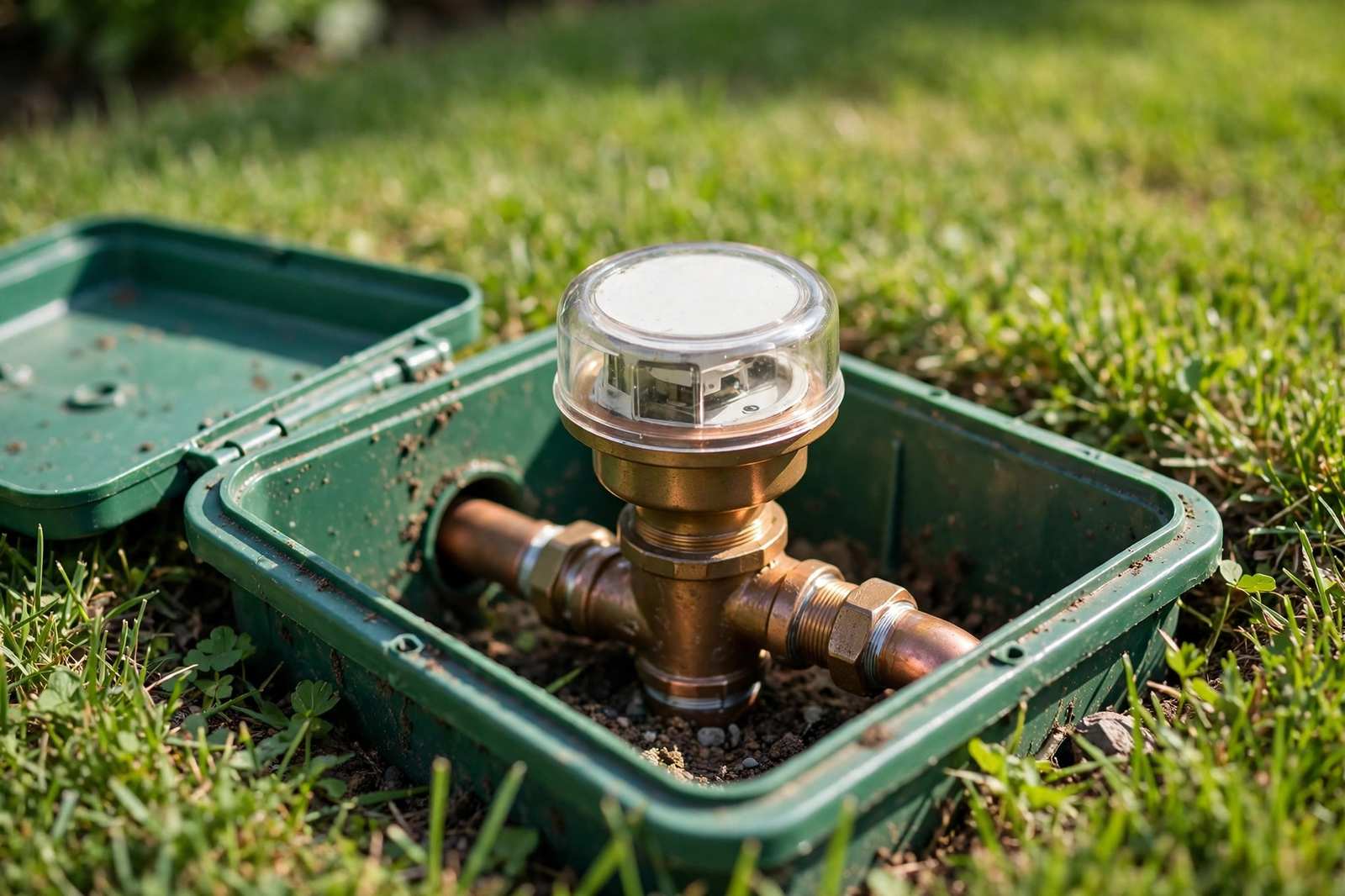
Your Water Bill Spiked: Is It a Leak or Just Higher Rates?
A higher total does not always mean a leak. Compare usage with last year, do a simple meter check, and learn which culprits waste water silently and which are just rates.
Read article →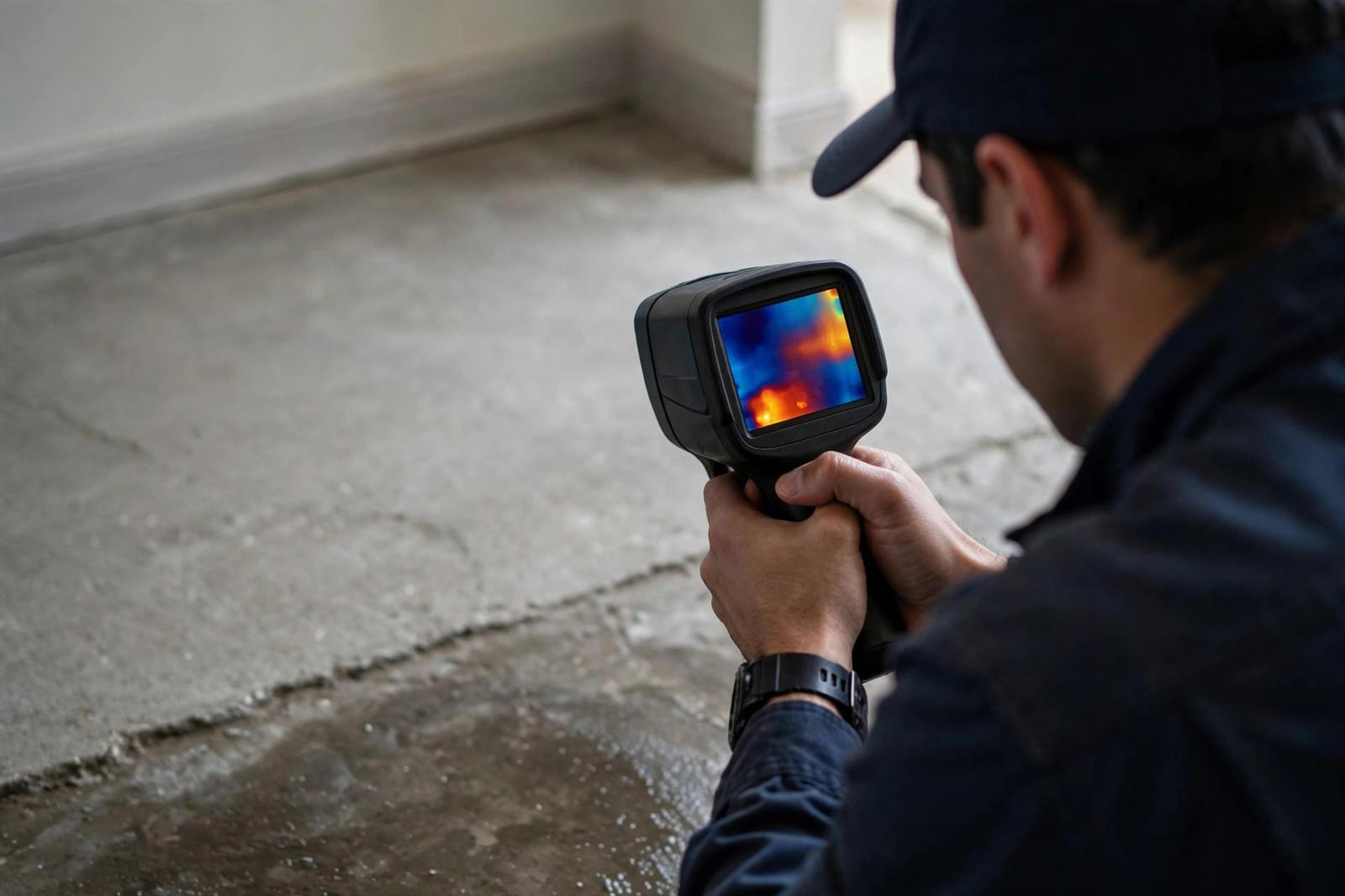
Why Slab Leaks Are So Common in Southern California
Clay soils, hard water, aging copper, and slab construction combine across Southern California. Here is why slab leaks cluster there and how they are found.
Read article →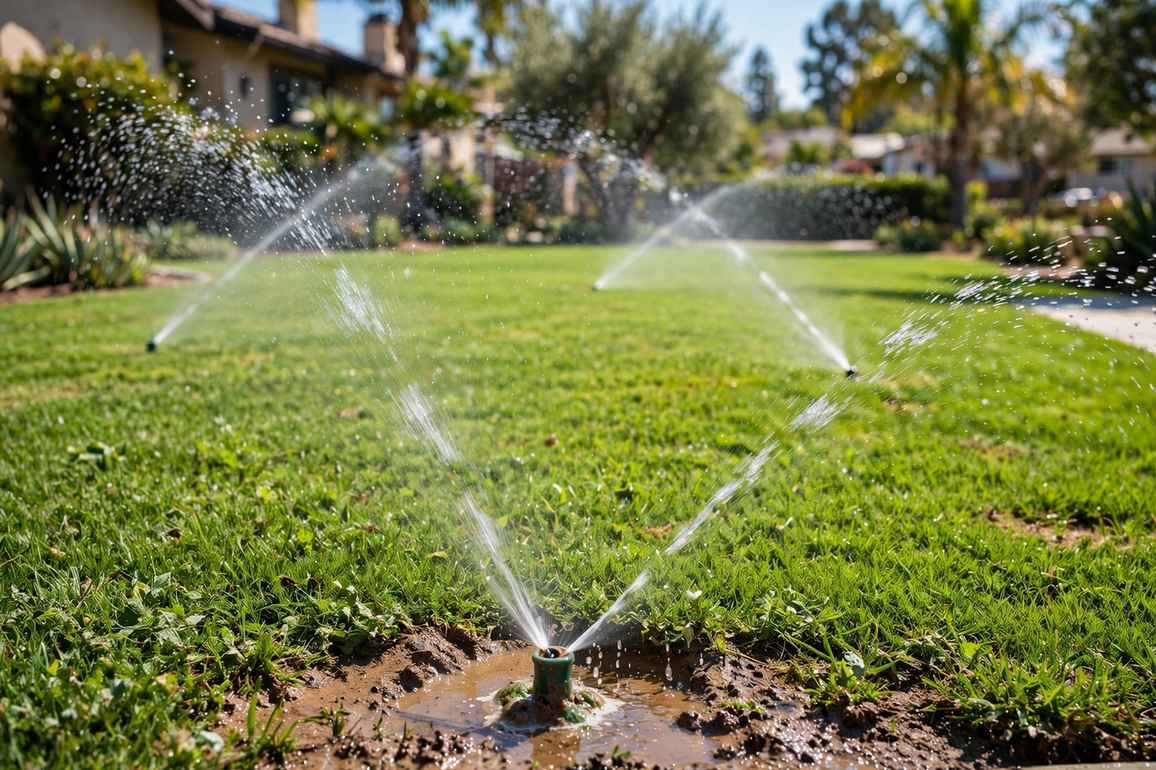
Irrigation Leaks: The Hidden Cause of a Doubling Water Bill
Broken laterals, stuck valves, and cracked heads waste water silently on a timer. Learn the yard signs, run the meter test, and pinpoint the break.
Read article →