 Leak Detection California

A hidden leak in a Riverside home often announces itself through a water bill that climbs without a change in routine, a patch of yard that stays damp in dry weather, or a warm area on a ground floor, and the city's inland heat, large lots, and mix of older and newer homes shape which sign appears first. Riverside homes range from older houses with long pipe runs and mature yards to newer homes on slab foundations with irrigation fed landscaping, so a leak may hide under a floor, inside a wall, or along a yard line, and each location leaves a different trail. This guide explains where Riverside leaks tend to hide, how summer watering and indoor use can mask a leak, which checks are worth doing first, and when to call a detection specialist. If water flows actively, a ceiling sags, or a floor patch feels hot, call Leak Detection California at (833) 382-2711 and describe the sign and the room, so the visit can start at the most likely source.
Heat, Large Yards and Hidden Outdoor Leaks
Riverside yards are often larger than coastal yards, with longer irrigation runs, more zones, and planting that depends on regular watering through long dry spells, and that scale makes outdoor leaks easy to miss. A break in a lateral line or a valve can run through every watering cycle with only soft ground, uneven growth, or a weak sprinkler head as clues, and the extra water may look like normal summer use at first. Walk the yard after a dry spell and look for ground that stays soft, a strip of planting that grows faster than the rest, a head that sprays weakly or unevenly, and a valve box that holds water when the system is off. Test zones one at a time, and note the zone number and the area it covers when a zone shows weak pressure or pooling while other zones run normally, because that note helps a technician isolate the weak section without testing the whole yard at random.
Also check hose bibbs, outdoor faucets, and any line that feeds a side yard or a back garden, and look at the wall behind each fitting for a stain or mineral crust. A drip at an outdoor fitting can soak a wall cavity while the yard looks dry, and a service line leak can soften ground near the meter route without leaving an indoor stain at all. Compare the bill to the same period in a prior year if you can, and ask whether watering schedules, household size, or new fixtures changed. A bill that rises while schedules and habits stay steady, especially alongside soft ground or weak heads, points toward a yard or service line. The irrigation leak article walks through zone isolation, the service line leak article covers yard and bill signs for the buried line from the street, and the outdoor water line service covers what a yard visit tests.
Indoor Signs: Bathrooms, Kitchens and Laundry
Inside a Riverside home, work through the rooms that carry water in a fixed order, and look for the same pattern in each: damp that returns after drying, a stain that darkens, wood that warps, or a smell that stays. In bathrooms, check toilet bases, shower walls, and vanity cabinets, and note a toilet that runs on its own or refills without flushing, since a running toilet can waste water steadily and lift a bill on its own. In kitchens, open the sink cabinet, check the cabinet floor, the dishwasher edges, and any refrigerator water line, and run the tap while watching the supply connections and the drain assembly. In laundry areas, inspect hoses and fittings, watch the standpipe during a full cycle, and check the ceiling below a second floor laundry after wash days, since a stain below often appears before the laundry room itself looks wet.
Pay attention to timing, because timing separates one source from another. A stain that returns without any tap use suggests a supply side drip, while a stain that only returns after a shower, a wash, or a dishwasher cycle suggests a drain or fixture problem. A musty smell in a closet or cupboard that shares a wall with a wet room often points to damp inside a wall cavity, even when no puddle is visible, and that smell is worth taking seriously, because a cavity that stays damp can damage framing and finishes long before a stain breaks through paint. Keep a short note of what you found, which fixture was in use, and when the sign appeared, because those three details narrow the search more than any single damp spot. The laundry room leak article covers hose and drain timing in detail, and the guide to how detection works explains which tests suit each pattern.
Slab Leaks in Inland Homes
Slab leaks deserve a separate check in Riverside, because many homes sit on a concrete slab with water lines running beneath it, and a leak there rarely produces an indoor puddle. Look for a warm patch on a ground floor, a room that feels warmer than its neighbours, flooring that lifts or buckles in one area, and a musty smell near a floor edge. Check whether the warm patch stays in the same place across days, and whether it grows after hot water use, since a hot water line leak often tracks hot water demand. Also watch the rooms nearest the water heater, because a line that leaves the heater and runs under the slab may show warmth some distance from the heater itself, and a damp patch near a foundation edge or a crack that darkens with damp can sit on the same line route.
Avoid cutting into flooring or concrete to chase a suspected slab leak, since opening a floor without a located source usually creates damage without finding the break. Instead, note the location of any warm patch and any outdoor damp patch together, run the meter test described below, and report both results when you call, because the pair of points often decides where listening and testing start. The slab leak article for Southern California explains why slab construction raises this risk, the slab leak warning signs guide lists the floor and bill patterns to watch, and the slab leak detection service covers what a slab visit tests.
The Meter Test and What Its Result Means
The water meter test is the most useful first check a Riverside homeowner can run, because it separates a supply leak from a drain problem and from ordinary seasonal use. Turn off every tap, appliance, and irrigation zone, note the reading, wait, and read it again. If the reading moves while nothing is in use, water is leaving the supply system somewhere. If it does not move, a supply leak is less likely, though a drain leak that only appears during use can still be present. Record the readings and the times, and note which rooms and yard areas showed signs, because a short written note is far more useful on site than a general report that the bill seemed high.
- Bill climbs while watering schedules stay steady: run the meter test, then test irrigation zones one at a time.
- Warm floor patch or lifting flooring: check for a slab line leak, and note whether warmth tracks hot water use.
- Soft yard ground or weak sprinkler heads: isolate the zone, and check valve boxes for standing water.
- Stain below a bathroom or laundry: note wash day and shower timing, and check the room above.
- Musty smell with no visible puddle: check cabinet floors, wall bases, and rooms beside wet rooms.
| Sign in a Riverside home | Check first | What it often points to |
|---|---|---|
| Bill climbs, no indoor stain | Meter test, then irrigation zones | Yard line or service line leak |
| Warm patch on a ground floor | Note the spot, check after hot water use | Hot water line under the slab |
| Damp yard patch in dry weather | Zone test, valve box check | Irrigation or service line break |
| Stain on a ceiling below a wet room | Fixture checks in the room above | Fixture or drain leak upstairs |
If the meter moves, close the main shutoff valve to the home and watch the meter again, if you can reach the valve safely. If the meter keeps moving with the home isolated, the leak is likely on the service side of that valve, and if it stops, the leak is likely inside the home or in an irrigation branch. That pair of readings often decides which test a technician runs first, so report both when you call. The water meter check article explains the test step by step, and the Anaheim leak detection guide covers a nearby city with similar slab and irrigation patterns, while the San Bernardino leak detection page covers the neighbouring inland city.
When to Call for Leak Detection in Riverside
Call promptly when a sign keeps returning after drying, when a meter test shows movement with everything off, when a floor patch feels warm, when flooring lifts in one area, or when a yard patch stays damp in dry weather. Call urgently if water flows actively, if a ceiling sags, or if a warm floor patch spreads quickly. Before the visit, note the rooms and yard areas that show signs, the meter readings and times, the irrigation zone pattern if a yard sign is involved, and any recent yard work, planting, or driveway work, because that history often points to a section of line that was disturbed. Keep the areas around the meter, the water heater, and any suspect fixture clear, so testing can start without delay.
If a Riverside home shows a warm floor patch, a climbing bill, soft yard ground, or a meter that moves with everything off, call Leak Detection California at (833) 382-2711. We will talk through your meter result, the rooms and yard patterns you found, and the likely line route, then arrange a detection visit to pinpoint the leak before it damages flooring, walls, or the slab.
Frequently Asked Questions
What are early signs of a hidden leak in a Riverside home?
Look for a bill that climbs without a habit change, soft yard ground in dry weather, warm patches on ground floors, stains below bathrooms, and toilets that refill on their own. Two signs in the same area deserve a closer look.Why are yard leaks easy to miss in Riverside?
Large yards with long irrigation runs can hide a break for weeks, and extra water may look like normal summer use. Test zones one at a time, and look for weak heads, soft ground, and valve boxes that hold water when the system is off.How do I check my water meter for a leak?
Turn off every tap, appliance, and irrigation zone, note the meter reading, wait, then read it again. If the reading moves while nothing is in use, water is leaving the system somewhere.When should I call for leak detection in Riverside?
Call promptly when a sign keeps returning, when a meter test shows movement with everything off, when a floor patch feels warm, or when a yard patch stays damp in dry weather. Call urgently if water flows actively or a ceiling sags. You can reach Leak Detection California at (833) 382-2711.More From the Blog

Water Leak Emergency: What to Do in the First 60 Minutes
Shut off the main valve, make the area safe, protect your belongings, and document damage. A clear first-hour plan for a California water leak emergency.
Read article →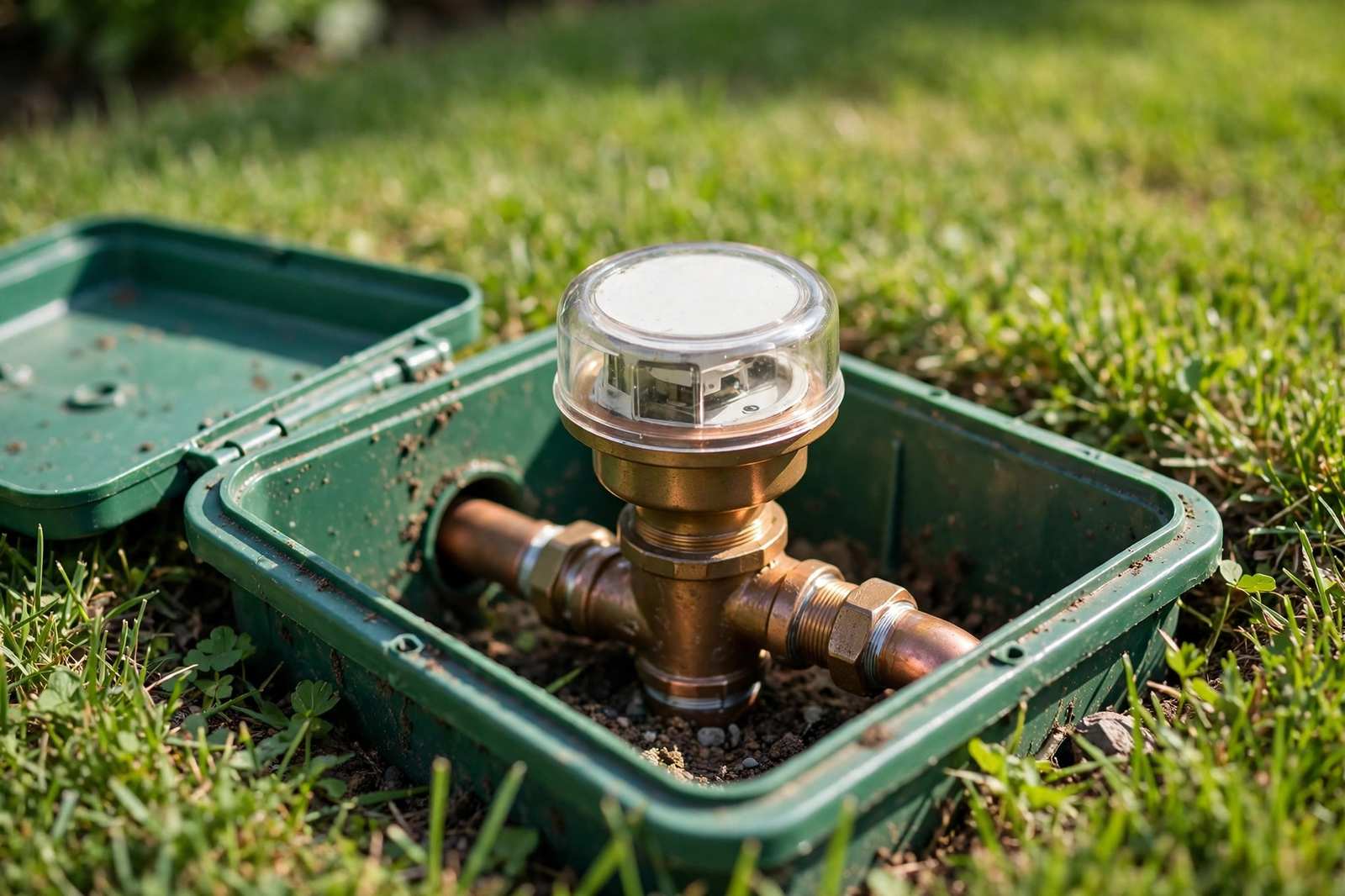
Your Water Bill Spiked: Is It a Leak or Just Higher Rates?
A higher total does not always mean a leak. Compare usage with last year, do a simple meter check, and learn which culprits waste water silently and which are just rates.
Read article →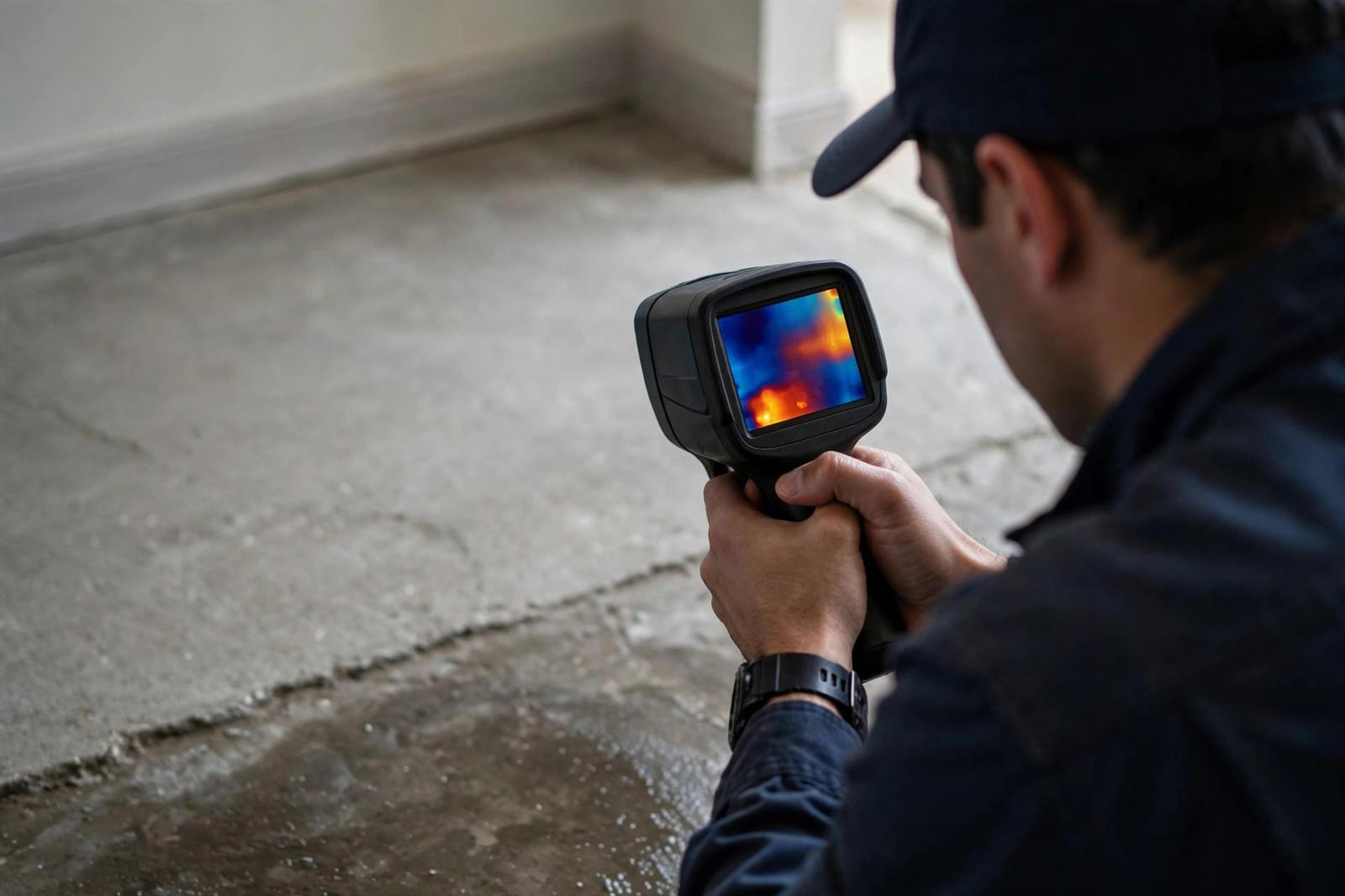
Why Slab Leaks Are So Common in Southern California
Clay soils, hard water, aging copper, and slab construction combine across Southern California. Here is why slab leaks cluster there and how they are found.
Read article →