 Leak Detection California
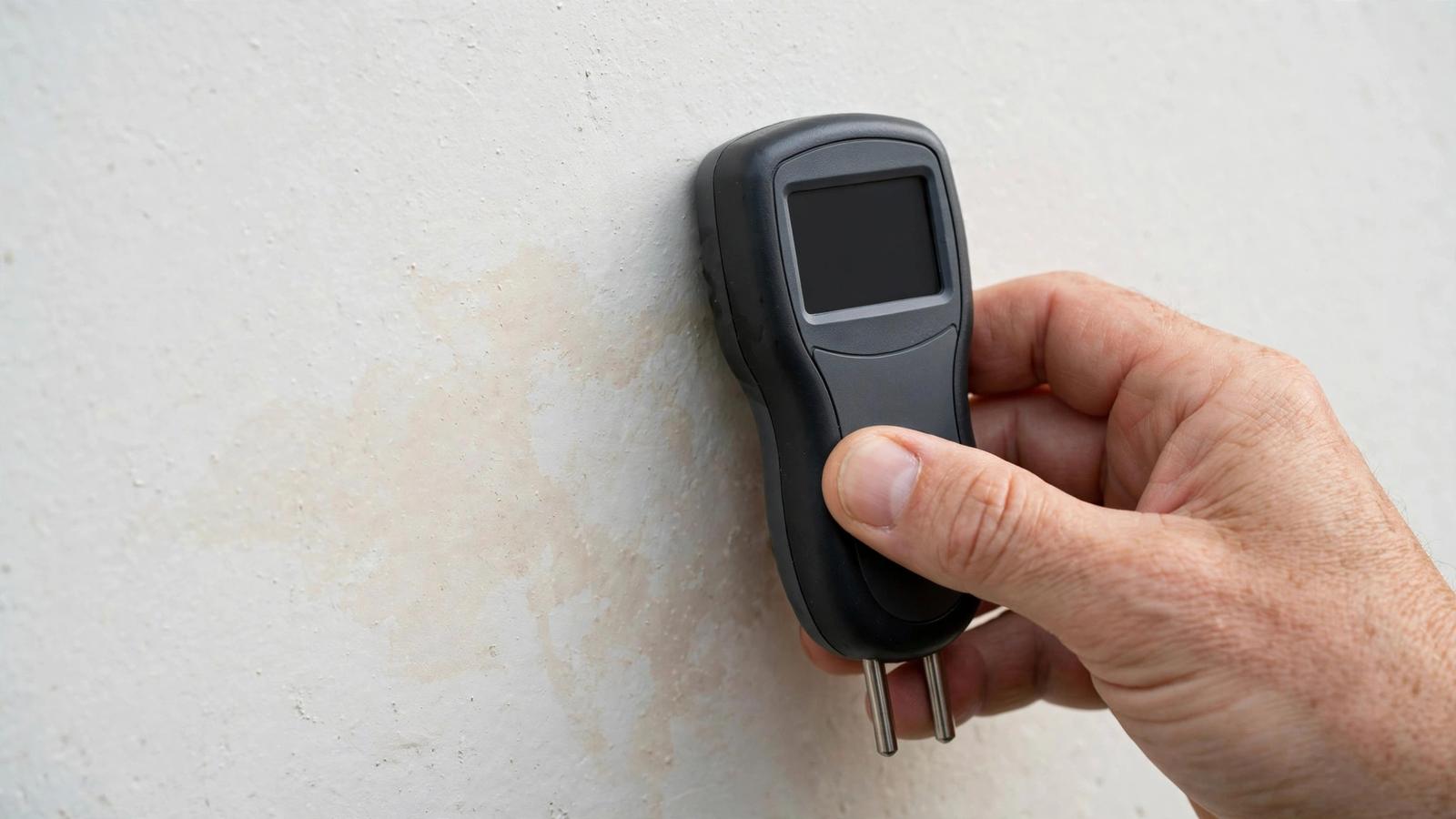
A leak in an apartment or condo rarely stays inside one unit, and that shared structure changes how the leak should be handled from the first sign. Water follows gravity and the path of least resistance, so a leak in an upstairs unit can stain a downstairs ceiling, and a leak in a shared wall can appear in the home next door, while the unit that caused it looks clean. That crossing of boundaries makes early communication, clear notes, and a traced source more important than a quick repair to the stained surface alone. This guide explains how apartment and condo leaks behave, what residents, neighbours, and building contacts should each do, and when to call a detection specialist. If water flows actively, a ceiling sags, or an electrical fitting sits in a wet wall, call Leak Detection California at (833) 382-2711 and describe the sign, the unit, and the rooms involved, so the visit can start at the most likely source.
How Shared Plumbing Changes a Leak
Apartment and condo buildings share more than walls. They often share pipe runs, risers that carry water vertically through the building, shutoffs that serve more than one unit, and drainage stacks that connect bathrooms and kitchens on different floors. A supply leak in a riser can affect several units at once, while a drain leak from an upstairs bathroom may show only in the ceiling below, long after the upstairs floor has dried. That shared layout means a stain in your unit is not proof that your unit caused it, and a clean check inside your unit does not prove the building is clear. The source may sit above you, beside you, or in a common run that serves the whole stack, and finding it requires comparing notes across units rather than checking one home in isolation.
Shared shutoffs add another layer. Shutting off water to one unit may require a building shutoff, or a valve that also serves a neighbour, and restoring water without coordination can surprise another household mid repair. Before any shutoff beyond your own unit, tell the building contact and the affected neighbours, agree on a time window, and note which units will be affected. Keep a written record of the shutoff, the reason, and the time it was restored, because a shared building often needs that record for later repairs and for insurance discussions. If your building has a management office, an association contact, or a maintenance lead, tell them early, even when the sign looks small, because a small stain in one unit can be the first visible sign of a larger run fault.
Ceilings Below Bathrooms and Kitchens
The most common apartment leak sign is a ceiling stain below a bathroom or kitchen, and the pattern of that stain carries useful information. A stain that darkens after showers, baths, or laundry points to a drain or fixture fault upstairs, while a stain that grows steadily through the night points to a pressurised supply line. A stain that appears after a neighbour reports a running toilet, a new appliance, or work on a shared wall points to that event as a starting point for checks. Note the timing in plain words: when the stain appeared, what was running upstairs at the time, and whether it fades, stays, or grows. That timing, plus a photo in daylight, gives a technician a starting point that is far more useful than a general report of a damp ceiling.
Do not open a ceiling on guesswork, and do not paint over a stain to see if it returns. A stain is a clue, not a map, and opening the wrong section can create a repair without fixing the source, while painting over it hides the pattern that a technician needs to read. Keep the area clear, move furniture and electronics away from the wet zone, and place a container only if water drips actively, without covering the stain itself. Check the rooms above and beside the stain if you have access, or ask the building contact to coordinate access, because a technician needs to trace the run from the fixture above to the ceiling below. Our ceiling and wall leak detection service uses listening and tracing methods to follow that run before any ceiling is opened, and our ceiling and wall signs guide explains the patterns to watch for.
Shared Walls, Toilets and Laundry Stacks
Shared walls carry their own pattern. A stain on a wall you share with another home, a musty smell near a baseboard on that wall, or paint that bubbles in one area of a shared wall all point to a pipe run inside the wall or in the neighbouring unit. Tell the other household promptly and compare notes before anyone opens the wall or shuts off water for the building. One home may have a dripping valve while the other shows the stain, and fixing only the stained side can leave the source untouched. Ask whether the other household has noticed a running toilet, a recent appliance change, damp in a cabinet, or work on the shared wall, because any of those answers narrows the search to one fixture or one run.
Toilets and laundry stacks deserve special attention in multi unit buildings, because they run frequently and serve many households through shared drainage. A toilet that refills on its own wastes water around the clock and can strain a shared drain, while a washing machine hose that bulges or drips can soak a floor that then stains the unit below. Check toilet bases for rocking or damp, listen for refilling between flushes, and inspect washer hoses for cracks or dampness at the connections. In kitchens, open the sink cabinet and feel the base and supply lines, and check the dishwasher connection for slow drips. Our bathroom signs guide and laundry signs guide cover these fixtures in more detail, and our water leak detection page explains how a visit traces a shared run.
Who Does What: Residents, Neighbours and Building Contacts
Clear roles prevent the most common apartment leak problem, which is not a technical problem at all but a coordination problem: everyone waits for someone else to act while water keeps running. As the resident who first sees the sign, your job is to note it, photograph it, protect belongings, and tell the building contact and any likely neighbouring unit promptly. As a neighbour who is told about a stain on a shared wall or ceiling, your job is to check your own fixtures and cabinets honestly and share what you find, even when your unit looks clean, because a clean check is itself useful evidence that narrows the search. As a building contact, your job is to coordinate access, shutoffs, and a detection visit, and to keep a written record of dates, photos, and decisions that all affected units can see.
Keep records of every conversation and every check, because a shared leak often involves more than one decision maker and more than one repair. A short written summary, with dates, photos, rooms affected, and the fixtures checked in each unit, helps everyone agree on the next step and avoids repeated testing of the same areas. If a dispute arises about which unit caused a leak, that record, plus a detection report that traces the source to a specific run, carries far more weight than competing memories of a stain. Avoid assigning blame in early messages, and focus on facts: when the sign appeared, where it sits, what was running, and what checks have already been done. A calm, factual record moves a shared repair faster than any argument about responsibility.
| Sign you notice | Check first | Who to tell first |
|---|---|---|
| Ceiling stain below a bathroom | Timing: after showers, or steady overnight | Building contact and the unit above |
| Stain on a shared wall | Compare notes with the neighbouring unit | Neighbour and building contact |
| Toilet refilling on its own | Toilet valve and base, in your own unit | Building contact if the stain is shared |
| Musty smell near a baseboard | Wall behind the smell, cabinets nearby | Building contact, with photos and dates |
| Water dripping actively | Shut off your unit supply if safe, contain water | Building contact urgently, then neighbours below |
Meter Checks in a Multi Unit Building
Meter checks work differently in a multi unit building, because a building meter serves many homes and an individual unit may not have its own meter at all. A building meter that moves with every unit idle would point to a common run or a unit that is still using water, but it cannot point to a single unit on its own. That limit means isolation in a building proceeds unit by unit and section by section, with the building contact coordinating shutoffs so that one unit can be isolated while others stay in use. If your unit has its own meter or submeter, a meter test inside your unit follows the same steps as a house test: turn off every tap and appliance in the unit, note the reading, wait, and read it again, following our guide on how to check your water meter for a leak.
Do not attempt a building wide meter test on your own, and do not shut off a shared riser without telling the building contact, because other households depend on that supply. Instead, bring your unit level notes to the building contact: when the sign appeared, which rooms it touches, what was running when it grew, and what your own fixture checks showed. A technician can then work with the building contact to isolate sections in an order that respects other residents, using listening and tracing on the shared run rather than testing the whole building at random. Our commercial and multi unit leak detection page covers larger buildings, and our commercial detection guide explains how zone and riser checks narrow a shared source.
- Note the sign, photograph it in daylight, and record when it appeared and what was running.
- Check your own toilets, sink cabinets, washer hoses, and dishwasher connections, and share the results.
- Tell the building contact and the likely neighbouring unit promptly, even when your unit looks clean.
- Agree on shutoff windows before any water is turned off beyond your own unit.
- Keep a written record of dates, photos, rooms affected, and checks already done.
What to Do Next in an Apartment or Condo
Put the steps in this guide together in one short routine. Note the sign, photograph it in daylight, and record when it appeared and what was running at the time. Check your own fixtures, cabinets, toilet bases, and washer hoses, and share the results honestly with neighbours and the building contact, even when your unit looks clean. Ask the building contact to coordinate access to the units above and beside the stain, and agree on shutoff windows before any water is turned off beyond your own unit. If a sign keeps returning, if water flows actively, if a ceiling sags, or if an electrical fitting sits in a wet wall, treat that as urgent and do not wait for a routine meeting to decide.
Leak Detection California serves apartment and condo residents and building contacts across California, and our water leak detection page explains the service in full. For urgent situations, our emergency leak detection page covers fast visits, and our water leak emergency guide covers the first steps when water is flowing. If you have a ceiling stain below a bathroom, a shared wall stain that needs tracing, or a leak that crosses from one unit to another, call Leak Detection California at (833) 382-2711 and describe the sign, the units involved, and what checks have already been done, so the visit can start at the most likely run.
Frequently Asked Questions
Why can a leak in my unit come from another unit?
Buildings share pipe runs, risers, and drainage stacks, so water follows gravity and the path of least resistance. A leak upstairs can stain a ceiling below, and a leak in a shared wall can appear in the home next door.What should I do first when I see a ceiling stain in an apartment?
Note when it appeared, photograph it in daylight, record what was running when it grew, and tell the building contact and the unit above promptly. Do not open the ceiling on guesswork or paint over the stain.How do meter checks work in a multi unit building?
A building meter serves many homes, so it cannot point to a single unit on its own. If your unit has its own meter, turn off every tap and appliance in the unit, note the reading, wait, then read it again.When should I call for apartment leak detection?
Call promptly when a sign keeps returning, when a ceiling sags, when water flows actively, or when a shared wall stain needs tracing across units. You can reach Leak Detection California at (833) 382-2711.More From the Blog

Water Leak Emergency: What to Do in the First 60 Minutes
Shut off the main valve, make the area safe, protect your belongings, and document damage. A clear first-hour plan for a California water leak emergency.
Read article →
Your Water Bill Spiked: Is It a Leak or Just Higher Rates?
A higher total does not always mean a leak. Compare usage with last year, do a simple meter check, and learn which culprits waste water silently and which are just rates.
Read article →
Why Slab Leaks Are So Common in Southern California
Clay soils, hard water, aging copper, and slab construction combine across Southern California. Here is why slab leaks cluster there and how they are found.
Read article →