 Leak Detection California
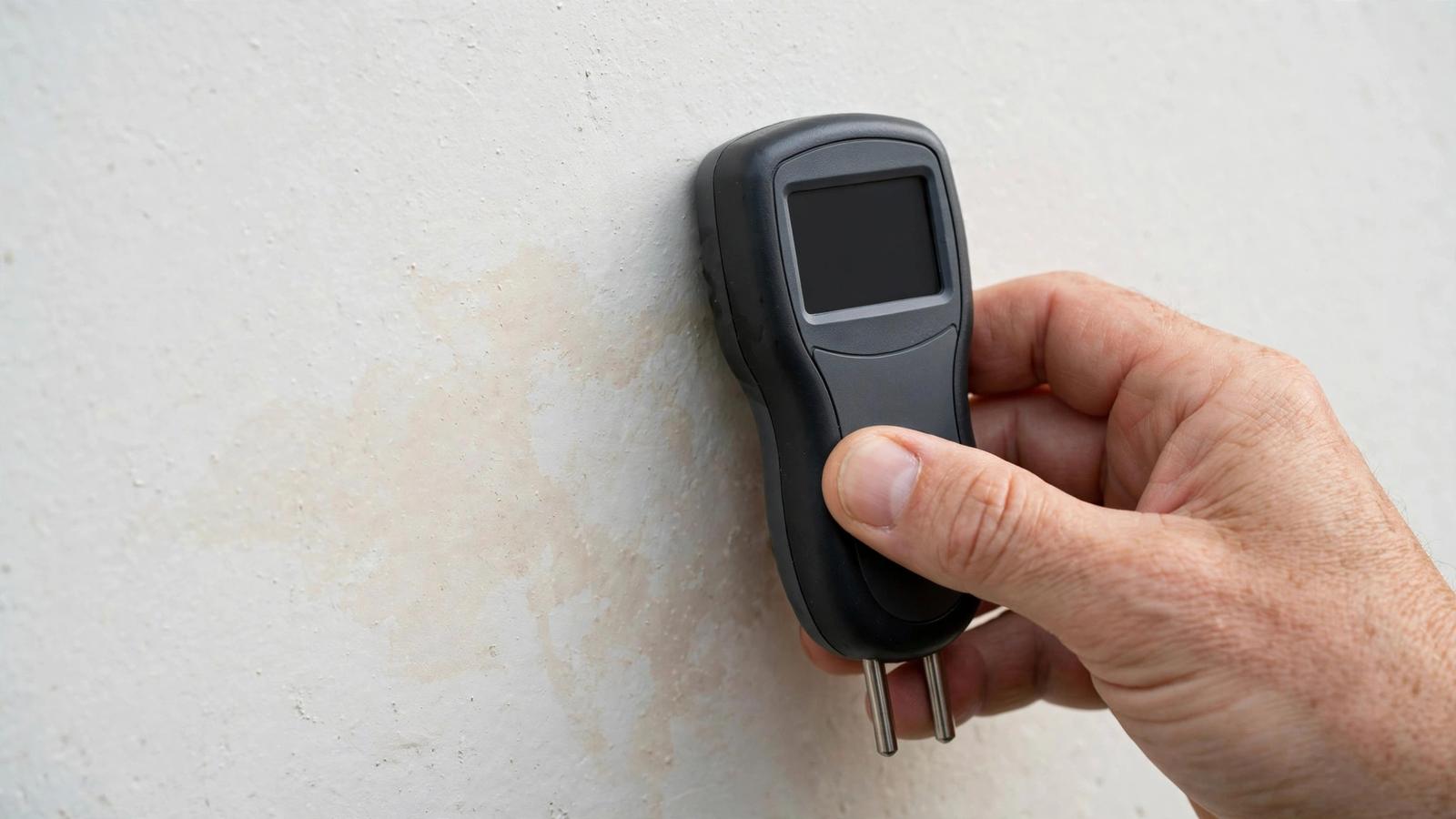
If a stain appears on your ceiling or a patch of wall paint starts to bubble, treat it as a clue worth checking promptly, not as a cosmetic mark to paint over. A ceiling or wall leak often starts small, with water travelling inside the structure before it shows on a surface you can see. The stain you notice may sit below the source, or some distance away from it, because water follows framing, pipes, and the path of least resistance. This guide explains what ceiling and wall signs mean, how to tell a plumbing leak from other causes, what you can check safely at home, and when to call a detection specialist before the damage spreads further.
Why Ceiling and Wall Leaks Are Easy to Misread
Ceilings and walls hide the early stages of a leak very well. Drywall and plaster absorb a slow trickle, paint holds for a while, and the room below can look normal while moisture builds up inside the structure. By the time a stain darkens or paint lifts, water may already have been present for some time. That delay is why a small mark deserves attention even when the surface feels dry to the touch. Drying the surface does not stop the source, and a fresh coat of paint only hides the evidence for a short while.
Water also moves in ways that confuse the search. A leak from a bathroom above can appear on a ceiling below, but not directly under the fixture. A pipe joint in a wall can send water along a horizontal run before it soaks through at a seam or a corner. A roof or attic source can travel down a wall cavity and show up far from the entry point. For that reason, the location of the stain is a starting point for investigation, not a diagnosis on its own. A careful check looks at what sits above and beside the mark, what runs through that wall or ceiling, and whether the pattern changes with household use or with rain.
Timing gives useful clues. Note when the mark first appeared, whether it grows after showers, laundry, or dishwasher use, and whether it changes after rain. A mark that darkens when an upstairs bathroom is used points in a different direction from one that only appears during a storm. Photographs taken on different days, with the edge of the stain marked lightly in pencil, make that pattern easier to see. If you are unsure where to start, our guide to signs of a hidden water leak sets out the early warnings that matter most in a California home.
Stains, Bubbling Paint, and Other Surface Signs
The most familiar sign is a stain. It may be yellow, brown, or grey, and it may have a darker edge with a lighter centre. A fresh stain often looks damp and slightly darker than the surrounding surface. An older stain may look dry, faded at the edges, or ringed, which can suggest repeated wetting and drying. Either form deserves a closer look, because a dry stain does not prove the leak has stopped. It may only mean the water is moving slowly, or that it dries between uses of the fixture above.
Bubbling or peeling paint is another common sign. When moisture builds up behind paint, the coating loses its grip and lifts in blisters or flakes. Wallpaper may loosen at a seam, or a patch of wall may feel soft when pressed gently. Plaster can feel crumbly or sound hollow when tapped. Trim and skirting boards may swell, warp, or pull away from the wall, and a door in the same area may start to stick. These changes happen gradually, so they are easy to dismiss one at a time. Together, in one area, they form a stronger pattern.
Texture changes matter too. A ceiling that sags, even slightly, needs urgent attention, because sagging can mean the material above it is saturated and heavy. Do not press a sagging ceiling or try to drain it yourself, and keep the room clear below it. A musty smell in one room, especially a smell that returns after airing, can also point to damp inside a wall or ceiling cavity, even when no stain is visible yet. A ceiling and wall leak detection visit uses listening and thermal equipment to narrow the source without opening large sections of wall or ceiling first.
Plumbing Leaks, Roof Leaks, and Condensation: Telling Them Apart
Three broad causes produce similar marks, and separating them saves time. A plumbing leak usually follows household use. It may worsen after a shower, a bath, a toilet flush, or a washing machine cycle, and it may be paired with a water meter that moves when every tap and appliance is off. A roof or attic leak usually follows rain, and it may show damp near a valley, a vent, a chimney, or a skylight, or in an attic space above the stain. Condensation usually appears in a poorly ventilated bathroom or on a cold surface, and it tends to be surface damp rather than a spreading stain inside the structure.
Simple home checks can help, provided they are done safely. Turn off every tap and appliance, then check the water meter, wait, and check it again. Movement while nothing is in use suggests water is leaving the system somewhere, which points toward plumbing rather than rain or condensation. Our article on how to check your water meter for a leak walks through that test step by step. If the stain only grows after rain and the meter stays still, an attic or roof source becomes more likely, and our guide to attic leak signs explains what to look for above the ceiling.
Some cases do not fit neatly into one category. A bathroom leak can drip into a wall cavity and show up in a room below only after the cavity fills. A slow supply line leak can look like condensation because it never produces a puddle. A roof leak can run down a pipe and appear near a plumbing fixture, which makes it look like a plumbing problem. When the pattern is unclear, a professional check is the sensible next step, because opening a wall in the wrong place adds repair work without answering the question. Detection equipment can test whether water is present, trace a line, and compare warm and cold areas before any opening is made.
What to Check at Home Before You Call
Start with a calm, methodical look at the area. Note the exact position of the stain, its size, and whether the surface feels damp, soft, or cool compared with the surrounding wall. Check the room above, if there is one, and look under sinks, around toilets, and behind appliances in that room. Look for a loose toilet base, a dripping supply connection, a shower seal that has failed, or a trap that stays damp. Check the room beside the stain too, because water can travel sideways along a floor or a pipe run.
- Mark the edge of any stain and photograph it, then recheck it after a day of normal household use and again after rain.
- Run the meter test with every tap, appliance, and irrigation zone off, and note the reading before and after the waiting period.
- Look for a second clue in the same area, such as bubbling paint, a musty smell, warped trim, or a toilet that refills on its own.
- Check upstairs bathrooms and laundry areas for damp floors, loose tiles, or grout that stays dark after use.
- Keep the area ventilated and clear of stored items, but do not seal a damp wall behind furniture or a fresh coat of paint.
- Stay away from any ceiling that sags, and switch off power to a room where water sits near light fittings or outlets.
Keep notes simple: date, what you saw, what was running at the time, and what the meter showed. That record helps a technician plan the visit and helps you notice a pattern you might otherwise miss. It also helps if the problem returns after a repair, because the history shows whether the same area, the same fixture, or a new source is involved. Avoid drilling, cutting, or pulling down a ceiling to look inside. Those steps can release a large amount of trapped water, damage wiring, and make a focused repair harder. A detection visit is designed to answer the location question first, with the smallest possible opening.
How a Detection Visit Narrows a Wall or Ceiling Leak
A detection visit for a ceiling or wall leak usually starts with the history you have gathered: when the stain appeared, how it changes, and what the meter showed. The technician then checks the fixtures and pipe runs that could feed that area, listens for the sound of water escaping under pressure, and uses thermal imaging to look for cool or warm patches that suggest moisture behind a surface. Acoustic listening can pick up a pressurised leak that the ear cannot hear through drywall. Thermal imaging can show a temperature pattern that follows a pipe run or pools in one area. Neither tool opens a wall on its own. Together, they narrow the search so any opening is small and well placed.
Pressure and isolation tests add another layer. Closing a valve to one bathroom or one run, then watching the meter or listening again, can show whether that section is the source. That step matters in homes where several bathrooms share a wall, or where a stain sits between two possible sources. A general water leak detection visit follows the same sequence when the source is not obvious, and the report from that visit should name the location, the methods used, and any areas ruled out. Ask for that detail in writing, because a repair crew works from the same document.
The table below summarises how common patterns tend to behave. It is a guide for observation, not a diagnosis, and a mixed pattern still deserves a professional check.
| What you notice | More likely plumbing | More likely roof or attic |
|---|---|---|
| Timing | Grows with household use | Grows after rain |
| Meter test | Moves with everything off | Stays still with everything off |
| Position | Near or below a bathroom or kitchen | Near a roof valley, vent, or skylight |
| Surface feel | Damp that returns after drying | Damp that dries between storms |
| Other clues | Loose toilet base, dripping connection | Attic insulation damp in one area |
Some wall leaks come from a source that is not in the same room at all. A slab leak can send moisture up a wall base, and an outdoor water line leak can soak a wall from outside. That is why a technician checks the wider system, not just the stained patch. If the stain sits at the base of a ground floor wall, mention any warm floor patches, lifting flooring, or damp at the skirting board, because those clues can shift the search toward the slab or the service line.
When to Act Quickly, and What to Do Next
Act urgently when water is flowing actively, when a ceiling sags, when water sits near electrical fittings, or when a wall feels soft and swollen over a wide area. In those cases, shut off the main water valve if you can reach it safely, switch off power to the affected room, move valuables off the floor, and call for help. Our guide to water leak emergency steps sets out the first hour in order, including what to photograph and what to keep clear for the technician. Do not wait for a stain to dry out on its own when the cause is still unknown, because the source can keep feeding moisture into the structure even while the surface looks better.
For a slower, stable mark, a prompt but planned check is still the right move. Keep monitoring the stain, keep the meter notes, and arrange a detection visit while the problem is still contained. Early detection usually means a smaller opening, a more focused repair, and less drying time afterwards. It also protects the record you may need later, because a dated detection report, with photographs and readings, shows when the problem was found and where it was located. That record is useful for any repair plan and for any later discussion about the history of the property.
If you have a ceiling or wall stain that keeps returning, grows after household use, or sits near a bathroom, a kitchen, or an attic space, call Leak Detection California at (833) 382-2711. We will talk through what you have noticed, what your meter test showed, and which checks make sense first, then arrange a detection visit to pinpoint the source before the next repair step.
Frequently Asked Questions
What does a ceiling stain usually mean?
A stain means water has reached that surface, but not always from directly above it. Water travels along framing and pipe runs, so the source may sit in a room above, beside the stain, or in an attic space. Note whether the stain grows after household use or after rain, and run a meter test to help separate a plumbing cause from a roof cause.Why does paint bubble on a wall if there is no visible drip?
Moisture behind paint breaks its grip, so it lifts in blisters or flakes even when no drip is visible. That moisture may come from a slow pipe leak inside the wall, a shower seal fault, or a roof source that travels down a cavity. A returning blister after repainting is a strong sign the source has not been found yet.How do I tell a plumbing leak from a roof leak in a ceiling?
Plumbing leaks usually grow with household use and may move the water meter when everything is off. Roof leaks usually follow rain and show damp near a valley, vent, or skylight. A meter test with every tap and appliance off is a useful first separation, and a detection visit can confirm the source.When should I call for ceiling or wall leak detection?
Call promptly when a stain keeps returning, when paint bubbles in the same area, or when a meter test shows movement with everything off. Call urgently if a ceiling sags or water sits near light fittings or outlets. You can reach Leak Detection California at (833) 382-2711.More From the Blog

Water Leak Emergency: What to Do in the First 60 Minutes
Shut off the main valve, make the area safe, protect your belongings, and document damage. A clear first-hour plan for a California water leak emergency.
Read article →
Your Water Bill Spiked: Is It a Leak or Just Higher Rates?
A higher total does not always mean a leak. Compare usage with last year, do a simple meter check, and learn which culprits waste water silently and which are just rates.
Read article →
Why Slab Leaks Are So Common in Southern California
Clay soils, hard water, aging copper, and slab construction combine across Southern California. Here is why slab leaks cluster there and how they are found.
Read article →