 Leak Detection California
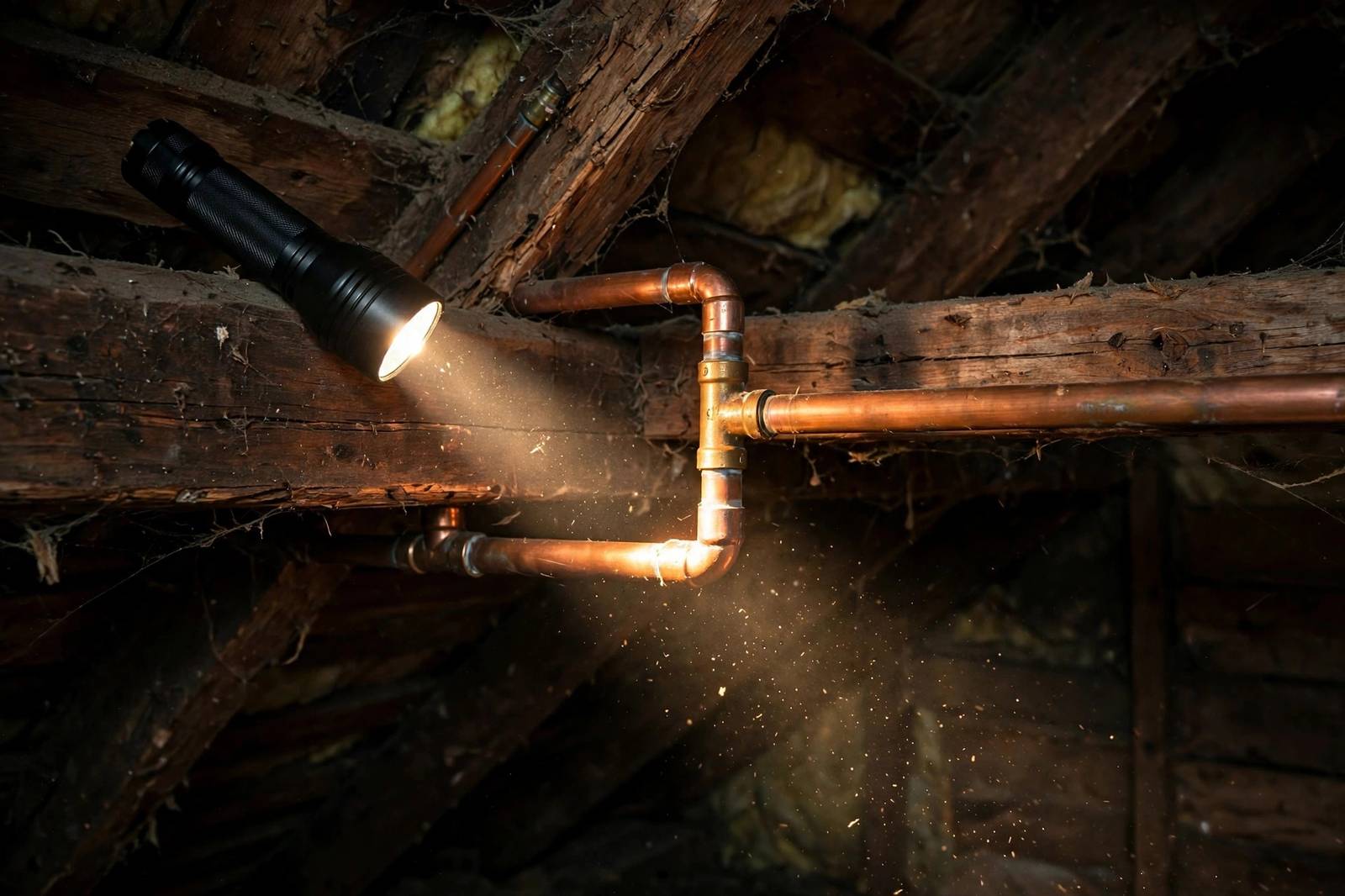
If you suspect an attic leak in a California home, the most useful first move is to look for the quiet clues below the attic, not just inside it. Attic leaks are among the easiest leaks to miss, because the attic itself is rarely visited, and the first visible sign often appears rooms away, as a ceiling stain, a musty smell, or paint that bubbles in one spot. Water from an attic source can travel along framing, insulation, and ductwork before it shows itself, so the stain on your ceiling may sit some distance from the actual break. This guide walks through why attic leaks stay hidden, which signs deserve a closer look, what you can check safely, and when to call a leak detection specialist.
Why Attic Leaks Stay Hidden So Long
Attics hide leaks for three simple reasons: they are out of sight, they absorb water, and they dry slowly. Insulation soaks up a slow trickle and holds it, framing swells gradually, and the ceiling below may show nothing until the material above it is saturated. A roof leak after rain behaves this way, and so does a slow plumbing leak from a line that passes through the attic to a distant bathroom. In both cases, the damage builds quietly while the rooms below look normal.
California attics add their own complications. Summer heat bakes roofing and flashing, winter rain tests every seam, and temperature swings expand and contract pipes, joints, and sealants over time. Ductwork, vents, and flues pass through the attic too, and condensation can form on cool surfaces when warm, moist air meets them. That means not every damp patch in an attic is a pipe leak, and not every stain below is a roof leak. Sorting the source matters, because a roof repair will not fix a plumbing break, and a plumbing repair will not fix failed flashing. A careful inspection, starting from the signs below, is what separates one from the other.
Time is the other factor. A leak that runs for a weekend leaves a mark. A leak that runs for a season can weaken framing, encourage mould growth in damp insulation, and stain ceilings across more than one room. That is why attic clues should never be filed away for a later season. A stain that appears after rain, a smell that returns after airing, or insulation that looks compressed in one area are all worth acting on promptly, even if the rooms below still look tidy.
Stains, Smells and Insulation Clues
The most common attic leak clue is a ceiling stain, and its shape tells part of the story. A stain with a sharp edge that appears after rain points more toward a roof or flashing source. A stain that grows steadily, regardless of weather, points more toward a plumbing source that runs on household use. A stain with a yellow or brown ring, or one that darkens and lightens in cycles, usually means repeated wetting and partial drying rather than a single spill. Marking the edge of a stain lightly with a pencil and checking it again in a few days is a simple way to tell whether water is still active.
Smell is the second clue. A musty odour in a room below the attic, especially near a bathroom or a hallway ceiling, can mean damp insulation or framing above, even when no stain is visible yet. The smell may strengthen after rain or after heavy use of a bathroom whose pipes pass through the attic. Do not mask it with air freshener and move on. Note which room smells, when the smell is strongest, and whether it follows rain or plumbing use, because that pattern helps a technician narrow the source.
Insulation tells its own story during any attic visit. Look for insulation that is compressed, discoloured, or matted in one area while the rest looks even and dry. Compressed insulation has often been wet and dried repeatedly, and it insulates poorly afterwards. Also look for water tracks on framing, rust marks near nail heads, and damp patches on the underside of roof decking. If you do enter the attic, stay on joists or walk boards, avoid stepping on the ceiling below, and leave the moment anything feels unsafe. The signs you can see from the hatch, plus photos of ceiling stains below, are often enough for a technician to plan the visit.
Roof, Plumbing and Air System Sources in the Attic
Attic water comes from a handful of sources, and each leaves slightly different evidence. Roof and flashing failures usually follow rain. Look for damp on the underside of decking near valleys, chimneys, vents, and skylights, and for stains that appear on ceilings after storms. Flashing that has lifted, cracked sealant around a vent, or a damaged roof section above the stain are common culprits. These are roofing problems, and a leak detection visit can confirm that water is entering from above rather than from a pipe, so you call the right trade for the repair.
Plumbing sources behave differently. A supply line that passes through the attic to reach a distant bathroom or laundry room can develop a pinhole or a weeping joint, and the water then soaks insulation and travels along framing before it stains a ceiling. A drain or vent line in the attic can also leak at a joint, especially after ground or framing movement. Plumbing clues include stains that grow with household use rather than rain, damp insulation far from any roof penetration, and a meter that moves when fixtures are off. An attic leak detection visit uses moisture meters and thermal imaging to map damp across the attic floor and the ceiling below, which narrows the source without opening long runs of ceiling on a guess.
Air systems and condensation form a third group. Ductwork joints can collect condensation, and vents that terminate poorly can let moist air into the attic, where it condenses on cool surfaces. Condensation clues include widespread light damp rather than one concentrated wet area, damp near duct joints or vent terminations, and problems that worsen in humid or cold spells. A technician can help separate condensation from an active leak by comparing moisture patterns and checking whether the damp follows plumbing use, rain, or temperature. That distinction matters, because condensation calls for ventilation and duct attention, while a pipe break calls for a plumbing repair.
What to Check Safely, and What to Leave Alone
Safety comes before curiosity in an attic. Attics can be hot, cramped, and poorly lit, with exposed nails, low framing, and ceiling material that will not hold a person's weight. Never step on plasterboard or insulation between joists, never work alone in a hot attic, and never touch wiring or wet electrical fittings. If the attic has no safe walk boards, or if you cannot see clearly, stay at the hatch and gather clues from below instead. A good set of notes and photos from the rooms below is more useful than a risky climb.
- From below, note every ceiling stain, its size, and whether it grows after rain or after bathroom use.
- Mark stain edges lightly with a pencil and recheck them after a few days to confirm active water.
- From the hatch, look for compressed or discoloured insulation, water tracks on framing, and damp near roof penetrations.
- Run the meter test: turn off every tap, appliance, and irrigation zone, note the reading, wait, then read it again.
- Note smells by room and timing, including whether a musty odour follows rain, showers, or laundry.
- Photograph stains, insulation changes, and any visible pipe or duct joints, with dates, for the technician.
The meter test deserves emphasis, because it separates plumbing sources from roof sources. If the meter moves with everything off, water is leaving the plumbing system somewhere, and an attic pipe becomes a stronger suspect. If the meter stays still and stains follow rain, a roof or flashing source is more likely. Our guide on how to check your water meter for a leak explains the test step by step, and our guide to signs of a hidden water leak covers the ceiling and smell clues in more detail.
| Clue you notice | Source it suggests | Sensible next step |
|---|---|---|
| Stain appears after rain only | Roof, flashing, or vent seal | Note storm timing, inspect decking near penetrations |
| Stain grows with bathroom use | Attic supply or drain line | Meter test, then moisture mapping |
| Musty smell, no visible stain | Damp insulation or framing | Hatch inspection, photos, note timing |
| Widespread light damp, no single wet spot | Condensation or ventilation | Check duct joints and vent terminations |
| Meter moves with fixtures off | Pressurised plumbing leak | Book detection promptly, keep water use low |
Leave electrical work, roof repairs, and any opening of ceilings to the right professionals. Your job as a homeowner is to gather clear evidence safely: dates, photos, meter readings, and patterns. That evidence shortens the detection visit and helps the technician choose the right equipment for the right area.
When an Attic Clue Needs a Detection Visit
A detection visit is worth booking when a clue persists, returns, or combines with another sign. A stain that grows, a smell that returns after airing, insulation that stays compressed, or a meter that moves with everything off are all good reasons to act. Two clues together, such as a stain plus a musty smell in the same area, are a stronger reason still. Waiting rarely helps with attic leaks, because insulation keeps absorbing water while the ceiling below looks unchanged, and the eventual repair grows with the wet area.
During a visit, expect questions first: when the stain appeared, whether it follows rain or use, what the meter showed, and what you saw from the hatch. The technician then maps moisture across the ceiling below and the attic floor above, using moisture meters and thermal imaging to compare readings and find the wettest point. For plumbing suspects, listening equipment and section isolation can narrow the line involved. A ceiling and wall leak detection visit covers the rooms below, while the attic inspection covers the space above, and together they give a clear picture of the water path. If you are weighing a do-it-yourself check against a professional visit, our guide to DIY versus professional leak detection sets out where home checks end and specialist equipment begins.
If water is actively dripping, if a ceiling sags or bulges, or if water sits near light fittings or wiring, treat it as urgent. Turn off power to the affected area if you can do so safely, keep people out of the room, and follow the steps in our water leak emergency guide while you call. For quieter clues, book promptly and keep your notes ready. If you are seeing ceiling stains, musty smells, or damp insulation that points to an attic source, call Leak Detection California at (833) 382-2711. We will talk through what you have noticed, help you run the meter check, and arrange a water leak detection visit, so an attic leak is found while the repair is still a focused one.
Frequently Asked Questions
What are early signs of an attic leak?
Look for ceiling stains that grow after rain or bathroom use, a musty smell in a room below the attic, bubbling paint, and insulation that looks compressed or discoloured in one area. Marking a stain edge and rechecking it shows whether water is still active.How do I tell a roof leak from a plumbing leak in the attic?
Roof leaks usually follow rain and show damp near valleys, chimneys, vents, or skylights. Plumbing leaks usually grow with household use and may show a moving meter with fixtures off. A meter test helps separate the two.Is it safe to inspect my own attic for a leak?
Only with care: stay on joists or walk boards, never step on plasterboard between joists, avoid hot or poorly lit conditions, and never touch wiring or wet electrical fittings. Notes and photos from below are often enough for a technician to plan the visit.When should I call for attic leak detection?
Call promptly when a stain grows, a smell returns after airing, insulation stays compressed, or a meter test shows movement. Call urgently if a ceiling sags or water sits near light fittings. You can reach Leak Detection California at (833) 382-2711.More From the Blog

Water Leak Emergency: What to Do in the First 60 Minutes
Shut off the main valve, make the area safe, protect your belongings, and document damage. A clear first-hour plan for a California water leak emergency.
Read article →
Your Water Bill Spiked: Is It a Leak or Just Higher Rates?
A higher total does not always mean a leak. Compare usage with last year, do a simple meter check, and learn which culprits waste water silently and which are just rates.
Read article →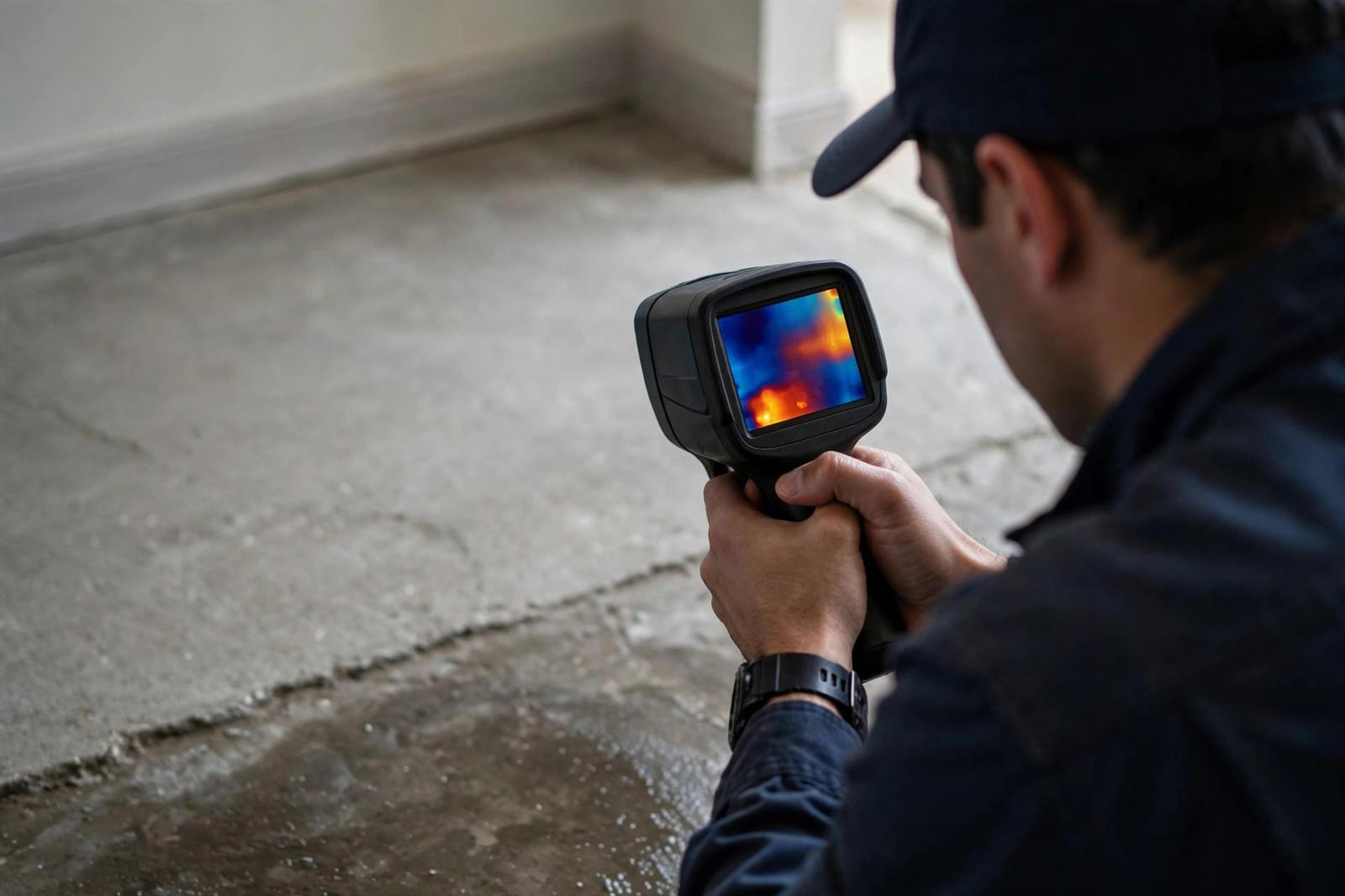
Why Slab Leaks Are So Common in Southern California
Clay soils, hard water, aging copper, and slab construction combine across Southern California. Here is why slab leaks cluster there and how they are found.
Read article →