 Leak Detection California

A hidden leak in a Stockton home often announces itself through a water bill that climbs without a change in routine, a patch of yard that stays soft in dry weather, or a warm area on a ground floor, and the Central Valley setting shapes which sign appears first. Stockton homes range from older houses with long pipe runs and mature yards to newer homes on slab foundations with irrigation fed landscaping, so a leak may hide under a floor, inside a wall, or along a yard line, and each location leaves a different trail. Hot summers, long dry spells, and heavy irrigation use can mask a leak for weeks, because extra water may look like normal summer use at first. This guide explains where Stockton leaks tend to hide, how to separate a real leak from heavy seasonal use, which checks are worth doing first, and when to call a detection specialist. If water flows actively, a ceiling sags, or a floor patch feels hot, call Leak Detection California at (833) 382-2711 and describe the sign and the room, so the visit can start at the most likely source.
Valley Heat, Large Yards and Masked Leaks
Stockton summers bring long stretches of heat and dry weather, and yards respond with heavy watering. That seasonal pattern is the main reason yard leaks stay hidden here. A break in a lateral irrigation line or a valve can run through every watering cycle with only soft ground, uneven growth, or a weak sprinkler head as clues, and the extra water blends into a bill that already rises in summer. Walk the yard after a dry spell and look for ground that stays soft, a strip of planting that grows faster than the rest, a head that sprays weakly or unevenly, and a valve box that holds water when the system is off. Test zones one at a time, and note the zone number and the area it covers when a zone shows weak pressure or pooling while other zones run normally.
Also check hose bibbs, outdoor faucets, and any lines that feed garden beds, trees, or a side yard, because those runs are long and often overlooked. A hose bibb that drips when closed, a faucet that never fully shuts, or a garden line that stays damp can each waste water steadily without ever producing a puddle large enough to notice from the house. Compare your current bill with the same period last year, not just with last month, because a year on year comparison strips out the seasonal rise and leaves the leak pattern visible. If use climbs while watering habits, household size, and appliances stay the same, a leak deserves a closer look, even when the yard looks healthy. Our irrigation and sprinkler leak detection work follows that same zone by zone logic.
Older Homes, Long Pipe Runs and Wall Signs
Older Stockton homes often have longer pipe runs, more joints, and walls that have been opened and closed for past repairs, and each of those features gives a leak more places to hide. A supply line leak inside a wall may show as a faint stain, bubbling paint, a musty smell near a baseboard, or wallpaper that loosens in one area, and the stain may sit some distance from the actual break because water travels along framing before it reaches a visible surface. Check walls that back onto bathrooms, kitchens, and laundry rooms first, and look at ceilings below upstairs bathrooms and laundry areas, because those are the walls and ceilings most likely to carry a plumbing leak. Note whether the sign grows after showers, laundry, or dishwasher use, or whether it grows steadily through the night, because that timing separates a drain fault from a pressurised supply fault.
Do not open a wall on guesswork. A stain is a clue, not a map, and opening the wrong section can create a repair without fixing the source. Start with a meter test, following the steps in our guide on how to check your water meter for a leak, then use room by room checks to narrow the area. Listen in a quiet house for the sound of running water when every tap is off, feel floor edges near bathrooms for warmth or damp, and check sink cabinets and toilet bases for slow drips that never fully stop. Our ceiling and wall leak detection service uses listening and tracing methods to pinpoint the source before any wall is opened, and our ceiling and wall signs guide explains the patterns to watch for.
Slab Leaks in Newer Stockton Homes
Newer Stockton homes are often built on concrete slabs, with hot and cold lines running beneath the floor, and a slab leak behaves differently from a wall leak. The classic signs are a patch of floor that feels warm under bare feet, flooring that cups or loosens in one area, a faint sound of running water when every tap is off, and a meter that moves while nothing in the home is in use. Warmth matters because a hot line under a slab heats the concrete above it, and that heat often shows up in a hallway, a kitchen, or a ground floor bedroom rather than near a visible fixture. If you notice warmth, mark the edges of the warm area with tape, note whether it grows or stays the same over a day, and avoid covering it with rugs, because a clear warm patch is easier to trace than one hidden under layers of flooring.
A slab leak also affects the soil and the slab edge outside the home. Check the soil beside exterior walls for patches that stay soft or damp in dry weather, and look at the slab edge for darkening or mineral staining that returns after dry days. Inside, check for musty smells near floor edges and for baseboards that swell or pull away from the wall in one area. A meter test comes first, because it confirms whether water is leaving the system at all, and isolation testing then narrows the leak to a house section before any floor is touched. Our slab leak detection service is built around that staged approach, and our guide to slab leak warning signs covers the floor, soil, and bill clues in more detail.
Service Lines, Meter Boxes and Pressure Drops
The water service line runs from the meter to the house, and a break there often shows outside rather than indoors. Look for a yard patch that stays soft through dry weather, a strip of planting that grows faster along a line, walkway sections that stay damp, hose bibbs that drip when closed, and pressure that drops at taps across the house at the same time. A service line leak can also show up as a bill that climbs steadily while indoor checks find nothing, because the water escapes before it ever reaches a fixture. That pattern, a rising bill with clean indoor checks, is a strong reason to test the yard section on its own rather than rechecking the same bathrooms again.
Start with the meter box, which sits in the yard near the street in many Stockton homes. Open it carefully, note whether water stands inside the box when the system is off, and check for damp soil around the box that survives dry weather. Then run a staged meter test: first with everything off, then with the house isolated, then with irrigation isolated, if your shutoffs allow it safely. A reading that moves only when the yard section is open points to a service or irrigation fault, while a reading that moves with the yard isolated points indoors. Our water service line leak detection and yard meter box leak detection services follow that isolation logic, and our service line signs guide explains the yard clues to watch for.
- Compare each bill with the same period last year, not just with last month, to strip out the seasonal rise.
- Walk the yard after a dry spell and note soft ground, weak heads, and valve boxes that hold water.
- Check toilet bases, sink cabinets, washer hoses, and walls that back onto wet rooms.
- Run a meter test with everything off, then repeat it in stages to separate house from yard.
- Mark warm floor patches with tape and note whether they grow, shrink, or stay the same.
- Photograph stains and damp patches in daylight, so changes over time stay visible.
Separating a Leak From Heavy Summer Use
The hardest question in a Stockton summer is also the most common one: is this a leak, or is it just heavy use? A staged approach answers it without guesswork. First, list what actually changed: new planting, a new irrigation schedule, guests, a new appliance, or a pool that needed topping up. Then compare usage with the same period last year, and look for a pattern rather than a single high bill. A usage spike that falls back when watering is cut back or guests leave points to use, while a spike that stays and grows month after month points to a fault. That distinction matters, because chasing a leak that does not exist wastes time, and dismissing a real leak as summer use lets it run.
Meter tests turn that comparison into evidence. A meter that stays still with everything off, over a long enough wait, argues against a pressurised leak, even when the bill looks high. A meter that moves with everything off argues for a leak, even when the yard looks dry and the house looks clean. Repeat the test on a different day if the first result is unclear, and keep a short log with the time, the reading, and what was on or off. Our meter check guide walks through the steps, and our water bill spike guide explains how to read usage, tiers, and billing periods together. Bring that log to a detection visit, because it lets the technician start with isolation rather than repeating basic tests.
| Sign you notice | What it often points to | First check to try |
|---|---|---|
| Soft yard strip in dry weather | Irrigation or service line break | Zone by zone irrigation test |
| Warm patch on a ground floor | Hot line leak under a slab | Meter test with everything off |
| Stain on a wall near a wet room | Supply or drain leak in that wall | Note timing, then meter test |
| Bill climbs, indoor checks clean | Service line leak outside | Staged meter test, house then yard |
| Pressure drops across the house | Break on a main or service run | Check meter box and yard for damp |
What to Do Next in Stockton
Put the checks in this guide together in one short routine. Compare the bill with last year, walk the yard and note soft ground and weak heads, check bathrooms, kitchen, and laundry connections for damp and drips, and run a meter test with everything off, then in stages. Note warm floor patches, wall stains that grow steadily, and yard patches that survive dry weather. If a sign keeps returning, if a meter test shows movement with everything off, or if pressure drops across the house alongside a yard sign, do not wait for the next bill to confirm what you already suspect, because a hidden leak uses water on a schedule you did not choose and the damage grows with time.
Leak Detection California serves Stockton and the surrounding Central Valley communities, and our local page for leak detection in Stockton explains the service areas and the signs we check most often in valley homes. For a wider view, our water leak emergency guide covers the first steps when water is flowing, and our emergency leak detection page covers urgent visits. If you have a sign that will not settle, a meter that moves with everything off, or a yard patch that stays soft through dry weather, call Leak Detection California at (833) 382-2711 and describe what you have seen, where it appears, and what your meter test showed, so the visit can start at the most likely source.
Frequently Asked Questions
What are early signs of a hidden leak in a Stockton home?
Look for a bill that climbs without a habit change, soft yard ground in dry weather, warm patches on ground floors, wall stains near wet rooms, and pressure drops across the house. Two signs in the same area deserve a closer look.How do I separate a leak from heavy summer use in Stockton?
Compare use with the same period last year, then run a meter test with everything off. A spike that falls back when watering is cut back points to use, while a spike that stays and grows points to a fault.How do I check my water meter for a leak?
Turn off every tap, appliance, and irrigation zone, note the meter reading, wait, then read it again. If the reading moves while nothing is in use, water is leaving the system somewhere.When should I call for leak detection in Stockton?
Call promptly when a sign keeps returning, when a meter test shows movement with everything off, when a floor patch feels warm, or when a yard patch stays damp in dry weather. Call urgently if water flows actively or a ceiling sags. You can reach Leak Detection California at (833) 382-2711.More From the Blog

Water Leak Emergency: What to Do in the First 60 Minutes
Shut off the main valve, make the area safe, protect your belongings, and document damage. A clear first-hour plan for a California water leak emergency.
Read article →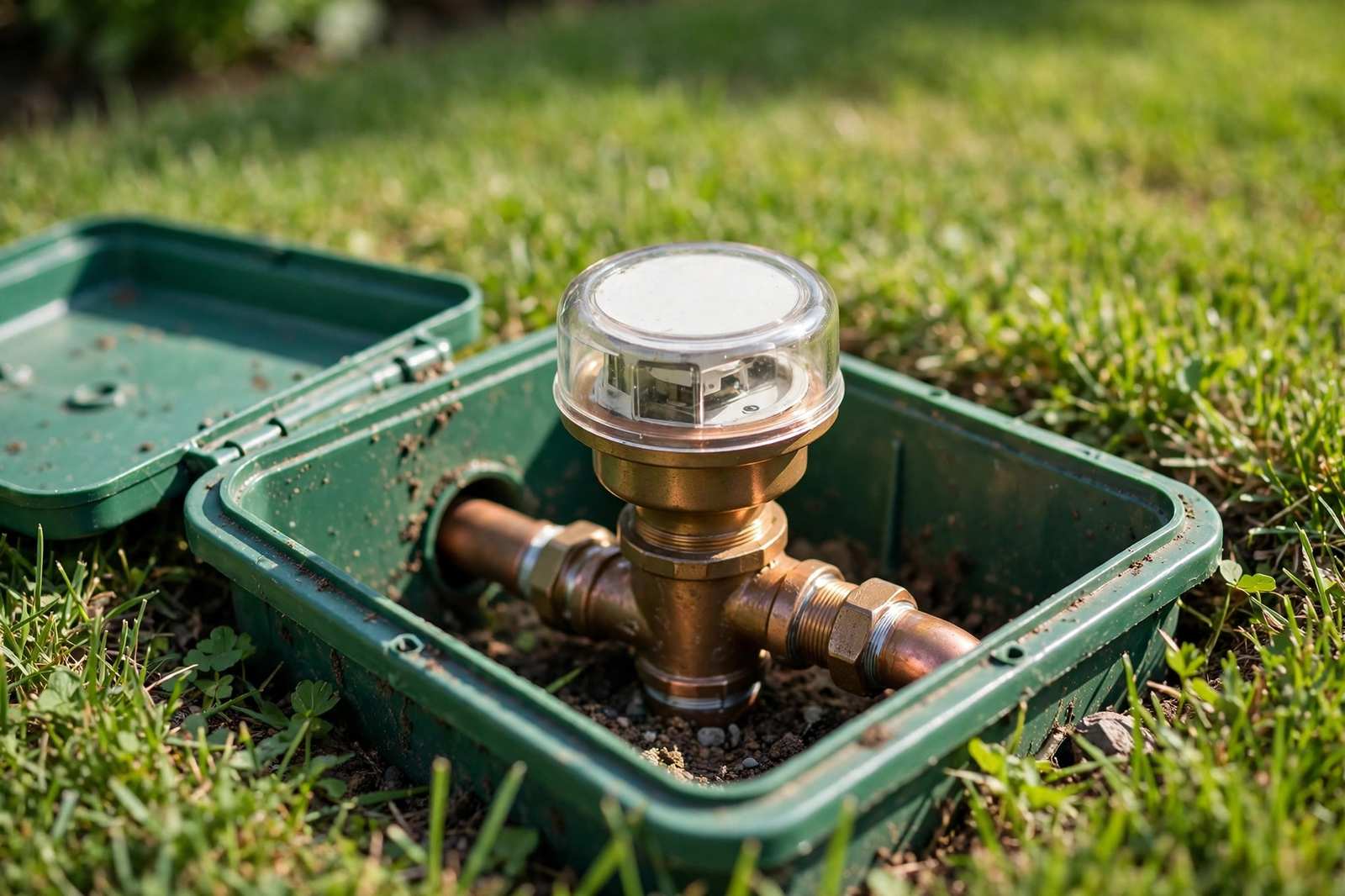
Your Water Bill Spiked: Is It a Leak or Just Higher Rates?
A higher total does not always mean a leak. Compare usage with last year, do a simple meter check, and learn which culprits waste water silently and which are just rates.
Read article →
Why Slab Leaks Are So Common in Southern California
Clay soils, hard water, aging copper, and slab construction combine across Southern California. Here is why slab leaks cluster there and how they are found.
Read article →