 Leak Detection California
If you suspect a hidden leak in a San Jose home, the most useful first move is to look for the quiet signs, run a simple meter check, and call a leak detection specialist before damp has time to spread. San Jose homes cover a wide range of ages and styles, from older houses in established neighbourhoods to newer townhouses and condominiums with long pipe runs and shared walls, and each style hides leaks in different places. A leak rarely starts with a puddle on the floor. It often starts as a faint stain, a warm patch underfoot, a toilet that refills on its own, or a water bill that creeps upward without any change in habits. This guide walks through where leaks hide in San Jose homes, which signs deserve a closer look, and how a professional visit narrows the search without opening walls at random.
How San Jose Homes Hide Leaks
San Jose housing is a mix, and that mix shapes where leaks appear. Older homes often carry supply and drain lines that have lived through decades of pressure changes, ground movement, and past repairs. A small weakness in an older line can weep for weeks behind a wall, leaving only a faint mark or a musty smell as evidence. Newer homes are not immune either. They tend to have more bathrooms, laundry rooms set away from the main plumbing, and long runs that pass through walls, ceilings, and attic spaces. A fitting that was never quite seated, or a joint stressed by settling, can release a slow trickle that soaks insulation and framing long before water reaches a visible surface.
Shared-wall homes add another layer. In a townhouse or condominium, water does not always respect unit boundaries. A leak in a neighbouring bathroom can stain your ceiling, and a leak in your own laundry room can show up as damp in the unit below. That is why the location of a stain is a clue, not a verdict. The source may sit one room away, one floor up, or along a shared pipe run. Noting exactly when a stain appeared, whether it grows after showers or laundry, and whether it dries between uses helps a technician separate a fixture problem from a supply line problem.
Soil and ground movement matter in San Jose as well. The ground shifts with wet and dry seasons, and that movement can stress buried service lines and slab pipes over time. A line that coped well for years can develop a weakness at a joint or a bend after a season of movement. The signs may be subtle at first: a patch of ground that stays soft, a walkway joint that stays damp, or a slight drop in pressure at one fixture. Treating small changes as worth noting, rather than waiting for an obvious failure, is what keeps a small leak small.
Slab and Floor Clues Worth a Closer Look
Many San Jose homes sit on concrete slabs, so slab leaks deserve special attention. A slab leak happens when a water line under the floor develops a break, and because the water has nowhere obvious to go, it spreads under flooring and into the slab itself. The classic clues are worth learning. A warm spot on the floor that does not match the rest of the room can point to a hot water line leaking below. Flooring that buckles, lifts, or feels slightly spongy in one area can mean moisture is pushing up from beneath. Damp at the base of a wall, especially on a ground floor, can also trace back to a slab line rather than to a wall pipe.
Sound is another clue that homeowners often overlook. If you hear running water or a faint hissing when every tap and appliance is off, something in the system is still moving water. That sound, combined with a meter that moves while fixtures are off, is a strong reason to arrange a slab leak detection visit. Technicians use listening equipment and thermal imaging to compare floor temperatures and sound patterns, which narrows the search to a small area instead of guessing across a whole room. That precision matters, because it decides whether a repair needs one focused opening or a much larger job.
Do not confuse every floor change with a slab leak. Spills, pet accidents, and condensation can mark a floor too. The pattern is what separates a leak from a one-off event. A slab leak sign persists, returns after cleaning, or grows over days. If a warm patch stays warm, if a floorboard keeps lifting after it dries, or if damp reappears at the same wall base, treat it as a leak clue and act on it. Our earlier guide to slab leak detection in Long Beach homes explains the same floor and sound clues in more detail, and the signs translate well to San Jose slab homes.
Walls, Ceilings and Second Floor Bathrooms
Wall and ceiling leaks are common in two storey San Jose homes, because bathrooms, laundry rooms, and water heaters often sit above living spaces. A stain on a ground floor ceiling usually means water travelled downward from above, but the source may be a shower drain, a toilet seal, a supply line, or a tub overflow rather than the ceiling itself. Watching when the stain darkens gives useful information. If it grows after showers but stays steady otherwise, a drain or shower fitting is a likely suspect. If it grows steadily regardless of use, a pressurised supply line is more likely, and that needs faster attention.
Wall leaks behave differently. A supply line inside a wall can mist for a long time before water breaks through paint or plaster. Early signs include paint that bubbles or peels in one spot, wallpaper that lifts at a seam, trim that warps away from the wall, or a faint musty smell near a bathroom or kitchen wall. A ceiling and wall leak detection visit uses moisture meters and thermal imaging to map damp inside the wall cavity, so the wet area can be found without opening long runs of plasterboard on a guess.
Second floor bathrooms deserve a routine check of their own. Look under sinks for slow drips at supply connections and drain traps, check the floor around the toilet base for softness or discolouration, and look at the caulking and grout around tubs and showers. Grout and caulking wear down over time, and worn seals let shower water reach the subfloor even when the pipes themselves are sound. Catching a worn seal early is a small job. Leaving it can mean a stained ceiling below and a much larger repair. If you are unsure whether a stain is active or old, mark its edge lightly with a pencil and check it again in a few days. Growth means active water, and active water should not wait.
Yards, Irrigation and Service Lines
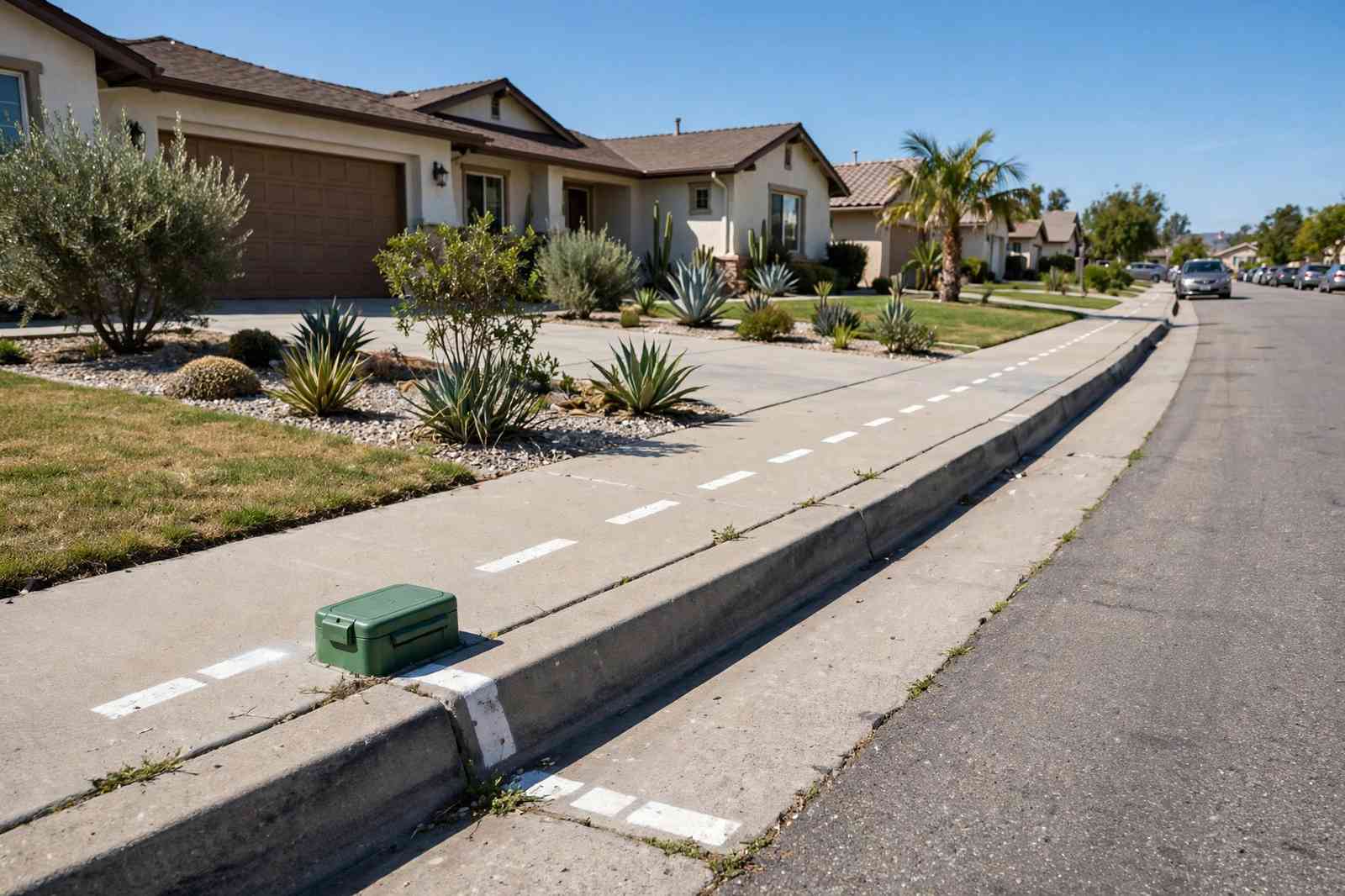
Outdoor leaks are easy to miss in San Jose because yard water disappears into soil. A break in an irrigation lateral, a valve that does not close fully, or a crack in the service line between the meter and the house can run for weeks with only soft ground or uneven plant growth as clues. One zone that stays greener than the rest, a strip of lawn that grows faster along a line, or a patch that stays soft days after watering are all worth investigating. A sprinkler head that sprays weakly while the rest of the zone runs normally can also point to a lateral break upstream of that head.
The service line deserves attention whenever a yard sign appears without an irrigation explanation. Water service line leak detection focuses on the buried line that carries water from the meter to the house, and a break there can waste a large volume quietly because the water drains into the ground. If soft ground sits between the meter and the house, or if a meter test shows movement with irrigation switched off, the service line moves to the top of the list. A technician can isolate house sections from yard sections, which avoids digging up a whole yard to search for one break.
Irrigation checks are simple to run zone by zone. Walk each zone while it runs and look for pooling far from any head, heads that mist or barely lift, and areas where water runs across a path or driveway. Then switch irrigation off for a period and watch whether soft patches persist. If they do, the problem is probably not irrigation at all. Our guide to irrigation leaks walks through that zone by zone approach, and it pairs well with a meter check, because the meter tells you whether water is still leaving the system when everything is off.
Room by Room Checks and the Meter Test
A steady routine beats a frantic search. Once every few months, walk the home with fresh eyes and check the places leaks favour. Start in bathrooms, then the kitchen and laundry room, then the water heater area, then the yard and meter box. The list below covers the checks that catch most hidden leaks early.
- Under every sink, feel supply connections and drain traps for damp, and look for warped cabinet bases or musty smells.
- Around each toilet, check the floor for softness, listen for refilling when the toilet has not been flushed, and look for discolouration at the base.
- At the water heater, look for damp at the base, drips at connections, and stains on nearby walls or flooring.
- In the laundry room, check washer hoses and connections, and look behind the machine for damp or warped skirting.
- Across ceilings below bathrooms, look for new stains, bubbling paint, or sagging, and mark any stain edge to check for growth.
- In the yard, look for soft ground, greener strips, weak sprinkler heads, and damp walkway joints after dry days.
The meter test is the single most useful home check, because it answers one clear question: is water leaving the system when nothing is in use? Turn off every tap, appliance, and irrigation zone, note the meter reading, wait, then read it again. If the reading moves, water is going somewhere it should not. The test shows movement, not location, so it is a starting point rather than a diagnosis. Our guide on how to check your water meter for a leak explains the steps in detail, and a water meter leak detection visit can follow up by isolating sections of the system to narrow the area.
| Sign you notice | Area to suspect first | Sensible first check |
|---|---|---|
| Warm patch on a ground floor | Slab hot water line | Meter test with fixtures off, then thermal scan |
| Stain on a ceiling below a bathroom | Shower, toilet, or supply line above | Note when it darkens, check fittings above |
| Soft ground between meter and house | Buried service line | Meter test with irrigation off |
| One irrigation zone stays greener | Lateral or valve in that zone | Run zones one at a time and compare |
| Toilet refills without flushing | Toilet seal or fill valve | Dye or listening check, then seal inspection |
Keep a short note of what you find, including dates and photos. A dated note turns a vague worry into a clear pattern: a stain that grew over a week, a meter that moved twice, a yard patch that stayed soft through dry weather. Technicians work faster with that record, and it helps you judge whether a problem is stable or getting worse.
What a Detection Visit Looks Like, and When to Call
A professional detection visit starts with questions, not equipment. Expect to be asked when you first noticed the sign, whether it changes with use, what the meter showed, and where the main shutoff sits. The technician then tests sections of the system in order, using listening equipment, moisture meters, and thermal imaging to compare readings across rooms and floors. For yard and slab lines, acoustic listening and thermal scans narrow the search before any opening is made. The aim is a precise location and a clear explanation of what likely caused the leak and what repair options fit, so you can plan one targeted repair with confidence.
Before the visit, gather anything that helps: photos of stains or yard patches, meter readings with dates, and notes about sounds, pressure changes, or rooms that smell musty. Know where your main shutoff is, and tell the technician if you have already turned water off. If water is actively flowing, if a ceiling is sagging, or if water sits near electrical outlets, treat it as urgent and follow the steps in our water leak emergency guide while you call. For quieter signs, book promptly rather than waiting for the next bill or the next stain, because slow leaks cause their damage quietly, over weeks.
San Jose homeowners do not need to become leak experts. They need a routine: a room by room walk a few times a year, a meter check when anything looks odd, and a prompt call when signs persist or combine. Two signs in the same area, a sign that keeps returning, or a meter that moves with everything off are all good reasons to act. If you are seeing any of these signs in a San Jose home, call Leak Detection California at (833) 382-2711. We will talk through what you have noticed, help you run the first checks, and arrange a detection visit for your San Jose leak detection needs, so a hidden leak is found while the repair is still a small one.
Frequently Asked Questions
What are early signs of a hidden leak in a San Jose home?
Look for warm spots on ground floors, stains on ceilings below bathrooms, bubbling paint, warped trim, toilets that refill on their own, soft yard ground, and a bill that climbs without a habit change. One sign alone may have a simple explanation, but two signs in the same area deserve a closer look.How do I check my water meter for a leak?
Turn off every tap, appliance, and irrigation zone, note the meter reading, wait, then read it again. If the reading moves while nothing is in use, water is leaving the system somewhere. The test shows movement, not location, so it is a starting point for detection.Why do slab leaks need special attention in San Jose?
Many San Jose homes sit on concrete slabs, so a break under the floor spreads moisture under flooring rather than showing as a puddle. Warm patches, lifting flooring, and damp at wall bases are the clues to watch, and thermal imaging plus acoustic listening help pinpoint the area before any opening is made.When should I call for leak detection in San Jose?
Call promptly when a sign keeps returning, when a meter test shows movement with everything off, when water is active near electrical outlets, or when a ceiling sags. You can reach Leak Detection California at (833) 382-2711 to arrange a visit.More From the Blog

Water Leak Emergency: What to Do in the First 60 Minutes
Shut off the main valve, make the area safe, protect your belongings, and document damage. A clear first-hour plan for a California water leak emergency.
Read article →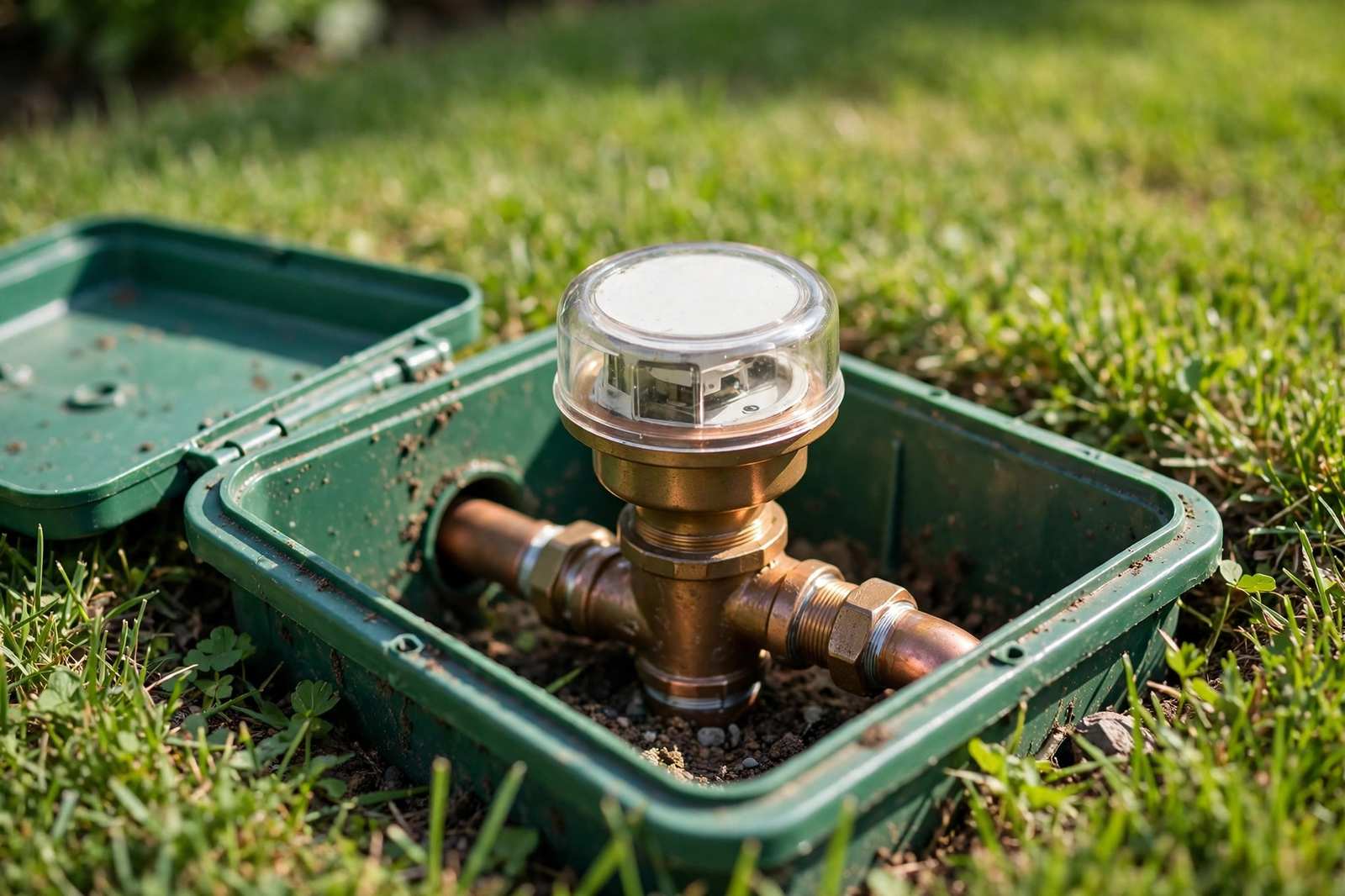
Your Water Bill Spiked: Is It a Leak or Just Higher Rates?
A higher total does not always mean a leak. Compare usage with last year, do a simple meter check, and learn which culprits waste water silently and which are just rates.
Read article →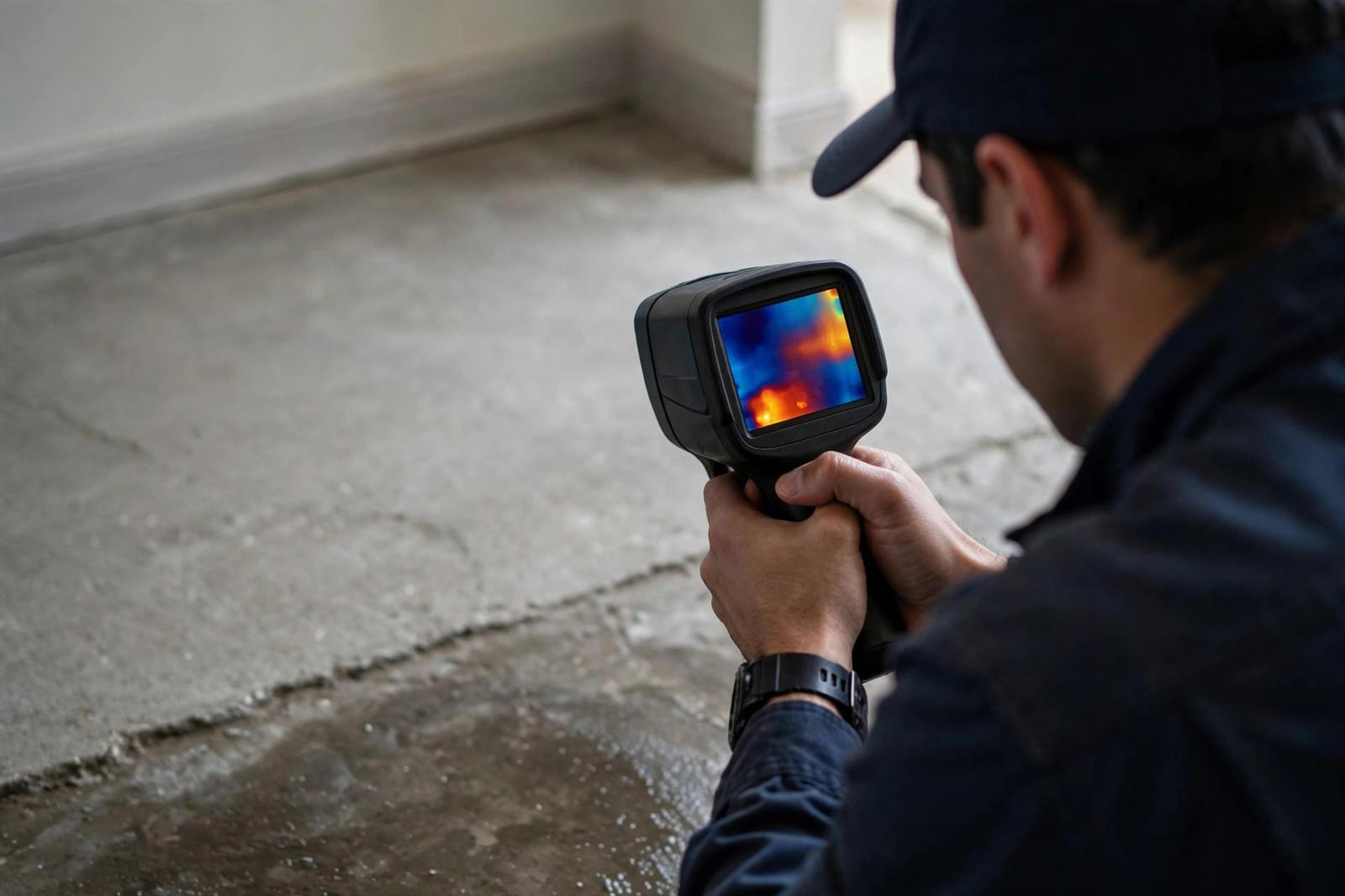
Why Slab Leaks Are So Common in Southern California
Clay soils, hard water, aging copper, and slab construction combine across Southern California. Here is why slab leaks cluster there and how they are found.
Read article →