 Leak Detection California
If you suspect a hidden leak in a San Diego home, the first step is to look for the pattern, not just the puddle. San Diego homes often combine slab foundations, long irrigation runs, and coastal moisture, and each of those can hide a leak or mimic one. A slab leak can warm a floor tile and raise a bill without ever showing water on the surface. An irrigation break can soak soil for weeks while the lawn above looks uneven rather than flooded. A bathroom seep can stain a wall slowly, in a climate where damp air already makes rooms feel humid. This guide walks through the signs that matter in San Diego, how to separate a leak from coastal damp, and how a detection visit pinpoints the source without tearing up the house.
Why San Diego Homes Are Prone to Hidden Leaks
Many San Diego homes are built slab on grade, which means water supply lines run under concrete with no crawl space to inspect. That design is common across the region, and it changes how a leak behaves. When a line under a slab starts to seep, water can spread under the flooring, warm a section of tile or wood, and push moisture up through joints before it ever becomes visible. Homeowners often notice the secondary signs first: a warm spot underfoot, a floor that sounds hollow in one area, a baseboard that warps, or a bill that climbs while household habits stay the same.
Coastal and inland areas add different pressures. Near the coast, salt air and moisture can corrode exposed fittings and valves faster, and older homes near the water may carry original lines that have lived through decades of that exposure. Inland, larger lots and longer yard lines mean more buried pipe to watch, and irrigation systems that run through dry soil can hide a break for a long time. Heat also plays a role. Hot water lines under a slab expand and contract with use, and that movement stresses joints over time. None of this means a San Diego home is certain to leak. It means the places to check first are different from the places in a home with a raised foundation and a short yard run.
Remodels matter here too. Kitchens and bathrooms added or moved during a renovation can leave long runs to new fixtures, and those runs may pass under slabs or through walls that were not designed for easy access. If a leak appears after a remodel, note which fixtures were moved and which walls were opened, because that history often points to the section that deserves testing first. A technician who knows the remodel history can isolate that section early instead of testing the whole house in random order. The slab leak warning signs guide covers the floor and bill clues in detail, and the slab leak detection service page describes how a slab visit works.
Slab Leaks: The Signs San Diego Homeowners Miss
Slab leaks earn attention because they stay hidden so long. Walk barefoot or in thin socks across floors in the morning, when a warm patch stands out against cooler tile. A warm area that appears in the same place day after day, especially near a bathroom, kitchen, or laundry, is worth noting. Check for flooring that cups, buckles, or sounds different when tapped, and for grout lines that darken or stay damp after mopping. In carpeted rooms, look for a patch that stays damp, smells musty, or feels spongy underfoot.
Outside, a slab leak can show up as a damp patch near the foundation, soil that stays soft after dry days, or a section of walkway that stays wet when the rest has dried. Inside, a hot water slab leak may also cause a water heater to run more often, or hot water to arrive unevenly at distant fixtures. Those clues are indirect, so they work best in combination. A warm floor plus a rising bill plus a meter that moves with everything off is a strong pattern. A warm floor alone, on a sunny afternoon, may simply be sun on tile, so check it again in the morning and in a shaded room for comparison.
Do not try to confirm a slab leak by drilling or cutting into a floor. A slab is structural, and an opening in the wrong place damages flooring and finishes without locating the break. Detection first narrows the line and the approximate spot, using meter checks, pressure isolation, acoustic listening, and thermal readings from above the floor. Only then does repair access make sense, and that access stays small because it targets a confirmed location. The Long Beach slab leak article shows how the same pattern appears in another coastal city, and the Southern California slab leak article explains why the region sees these leaks so often.
Coastal Moisture Versus a Real Leak
San Diego's coastal air makes this distinction important. Condensation can form on cold pipes, toilet tanks, windows, and exterior walls, especially in bathrooms with limited ventilation and in rooms that stay cool overnight. That damp can look alarming, yet it often dries when airflow improves and appears broadly rather than in one stubborn spot. A leak behaves differently. It returns to the same place, it grows in step with water use, and it leaves secondary marks such as staining, warped wood, or a smell that does not clear with ventilation.
A simple comparison helps. Dry the area, note the time, and check it again after a period when the nearby fixture has not been used. If it stays dry, condensation or a one-off splash is plausible. If it is damp again, and especially if it is damp in the same shape and place, a seep is more likely. Check whether the damp follows a pattern: after showers, after laundry, after irrigation runs, or constantly regardless of use. A constant damp points toward a supply line under pressure. A damp that appears only after a fixture runs points toward a drain, a seal, or a fixture connection that fails only during use. That timing detail is one of the most useful things you can pass to a technician.
Ventilation still matters, even when a leak is present. Open windows, run exhaust fans, and keep air moving around a damp area while you arrange a check, because still damp air can damage finishes and encourage odor. Ventilation is not a substitute for finding the source, though. If a patch keeps returning, treat ventilation as a holding step, not a fix, and do not paint over a stain to hide it. Paint can trap moisture behind a wall and make the next inspection harder, because the stain pattern that points to the source gets covered.
Irrigation and Yard Lines in San Diego
Yard plumbing deserves its own check in San Diego, because irrigation systems run often and cover large areas. A break in a lateral line, a drip line, or a valve can run for weeks with only soft ground, uneven growth, or a weak sprinkler head as clues. Water goes straight into soil, so there is no puddle to spot from a window. Walk the yard after a dry spell and look for ground that stays soft, a strip of planting that grows faster than the rest, a head that sprays weakly or unevenly, and a valve box that holds water when the system is off.
Test zones one at a time. Run a single zone, watch its heads, and check the ground along that zone for new softness. Then move to the next zone. A zone that shows weak pressure, pooling, or a head that barely lifts while other zones run normally is the zone to flag. Note the zone number and the area it covers, because that note helps a technician isolate the weak section without testing the whole yard at random. If the whole yard shows low pressure, or if pressure drops inside when irrigation runs, the problem may sit closer to the main yard line or the service line, and that pattern is worth reporting as well.
Yard leaks also affect bills in a way that confuses many homeowners. A bill can climb gradually as a small irrigation break runs through every watering cycle, and the increase may look like higher seasonal use at first. Compare the bill to the same period in a prior year if you can, and ask whether watering schedules, household size, or new fixtures changed. A bill that rises while schedules and habits stay steady, especially alongside soft ground or weak heads, points toward a yard line. The irrigation leak article walks through zone isolation in detail, and the irrigation leak detection service covers what a yard visit tests.
- Soft ground that stays soft after dry days, especially along a known irrigation run.
- One zone with weak heads while other zones spray normally.
- A strip of planting that grows faster, or stays greener, than the rest of the yard.
- A valve box that holds water when the system is off.
- Low indoor pressure when irrigation runs, or a bill that climbs without a schedule change.
Room by Room Checks for San Diego Homes
Inside, work through the rooms that carry water, and look for the same pattern in each: damp that returns, a stain that darkens, wood that warps, or a smell that stays. In bathrooms, check toilet bases, shower walls, and vanity cabinets. A toilet that runs on its own or refills without flushing can waste water steadily and point to a valve or seal problem. In kitchens, open the sink cabinet, look at the floor of the cabinet, and check the dishwasher line and any refrigerator water line. In laundry rooms, inspect hoses, fittings, and the wall behind the machines, and look for a drain that backs up or smells when the machine discharges.
Check ceilings and walls below upstairs bathrooms, since a leak above often appears below. Look for bubbling paint, a stain that grows after showers, and trim that pulls away from a wall. In garages, look for damp along the base of walls, mineral crust on concrete, and stored items that feel damp for no clear reason. A garage wall that backs onto a bathroom or laundry is a common place for a hidden seep to first show itself, because the garage side of the wall is often unfinished and easier to inspect.
The water meter test ties these room checks together. Turn off every tap, appliance, and irrigation zone, note the reading, wait, and read it again. If the reading moves, water is moving somewhere, and the room pattern helps narrow where. If it does not move, a supply leak is less likely, though a drain leak that only appears during use can still be present. Record the readings and the times, because a short written note is far more useful on site than a general report that the bill seemed high. The water meter check article explains the test step by step, and the water meter detection service page covers meter-based visits.
| Sign | Likely area | Next check |
|---|---|---|
| Warm floor patch in the morning | Hot water line under a slab | Meter test, then slab detection |
| Weak heads in one irrigation zone | That zone lateral or valve | Run zones one at a time and note the weak zone |
| Damp that returns to one corner | Wall or fixture seep nearby | Dry, wait without using the fixture, recheck |
| Bill climbs, habits unchanged | Slab, yard, or hidden supply line | Meter test plus room and yard walk |
| Musty smell in one room only | Hidden damp behind a wall or floor | Check shared walls, closets, and nearby fixtures |
When to Call for Leak Detection in San Diego
Call promptly when a sign keeps returning, when water use rises without a clear reason, or when damp, odor, and floor changes appear together. Call sooner if water is actively spreading, if a floor is buckling, if a ceiling is sagging, or if a meter test shows steady movement while everything is off. In those cases, shut off the main valve if you can do so safely, keep power away from wet areas, and move valuables off the floor while you arrange help. The emergency steps article gives a first-hour plan, and the emergency leak detection service is the route for urgent cases.
Before the visit, gather a short note: the rooms where signs appeared, meter readings and times, irrigation zone numbers that behaved oddly, recent plumbing work, and any remodel that moved a fixture. Clear access to sinks, water heaters, meter boxes, and the areas around damp walls helps the technician test sections in order. If you live in a community with shared walls or shared yard lines, note whether a neighbor has reported damp, since a shared line can explain a sign that seems to come from nowhere inside your own home.
If you are seeing these signs in a San Diego home, call Leak Detection California at (833) 382-2711. We will talk through what you have seen, arrange a non-invasive detection visit, and pinpoint the leak so you can plan one targeted repair with confidence. You can also review the San Diego leak detection page for the areas served and the systems tested on a typical visit.
Frequently Asked Questions
What are early signs of a slab leak in San Diego?
Look for a warm floor patch that returns in the same place, flooring that cups or sounds hollow, grout that stays damp, damp near the foundation, and a bill that climbs without a change in habits. A warm floor plus a moving meter is a strong pattern.How do I tell coastal damp from a leak?
Dry the area and check it again after a period without using the nearby fixture. Condensation tends to appear broadly and dry with ventilation, while a leak returns to the same spot and grows in step with water use.Why do irrigation leaks go unnoticed?
Yard water goes straight into soil, so a break can run for weeks with only soft ground, uneven growth, or a weak sprinkler head as clues. Testing one zone at a time helps isolate the weak zone before the whole yard shows the problem.When should I call for leak detection in San Diego?
Call promptly when a sign keeps returning, when water use rises without a clear reason, or when damp, odor, or floor changes appear together. You can reach Leak Detection California at (833) 382-2711 to arrange a visit and narrow the source.More From the Blog

Water Leak Emergency: What to Do in the First 60 Minutes
Shut off the main valve, make the area safe, protect your belongings, and document damage. A clear first-hour plan for a California water leak emergency.
Read article →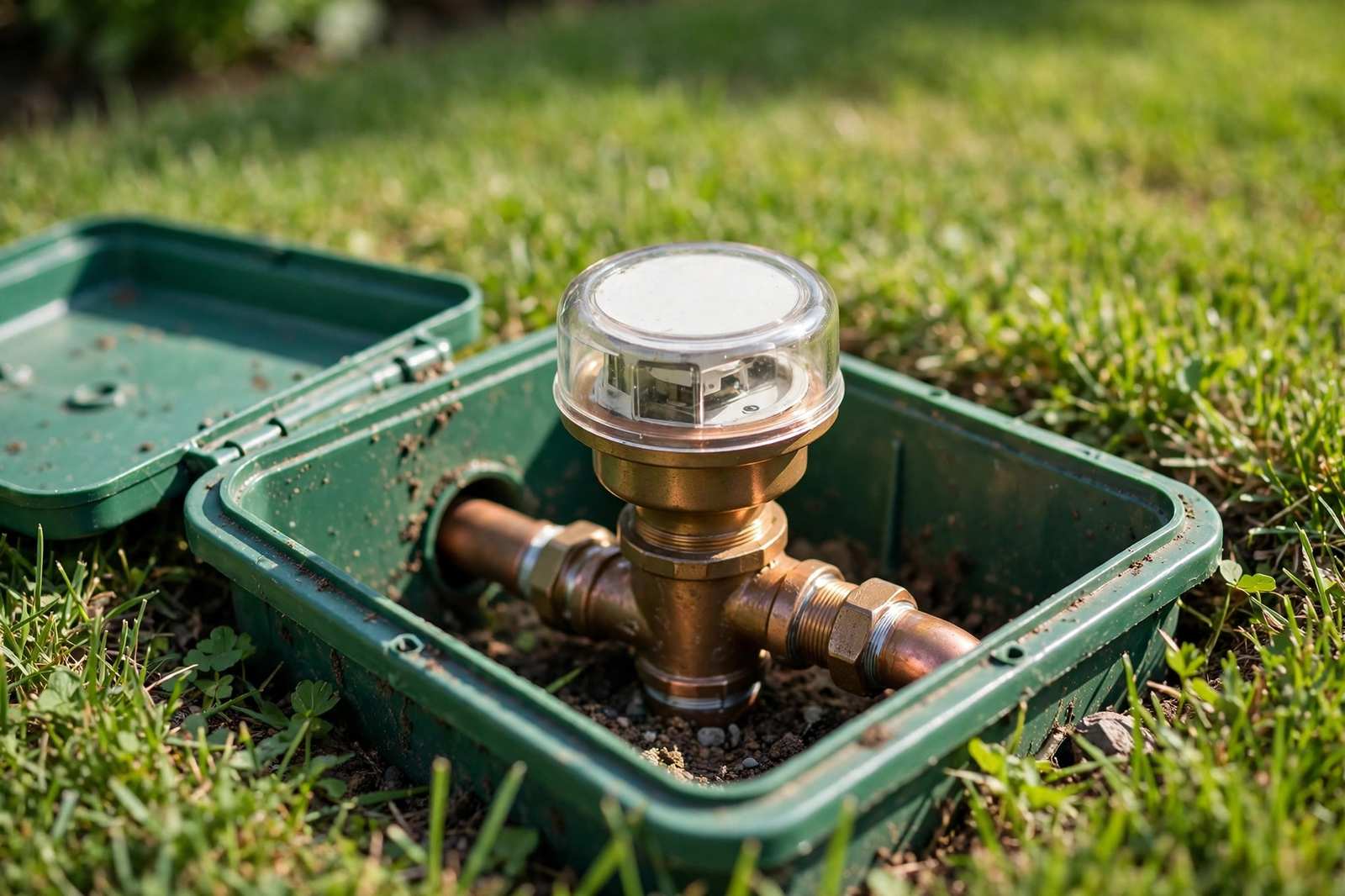
Your Water Bill Spiked: Is It a Leak or Just Higher Rates?
A higher total does not always mean a leak. Compare usage with last year, do a simple meter check, and learn which culprits waste water silently and which are just rates.
Read article →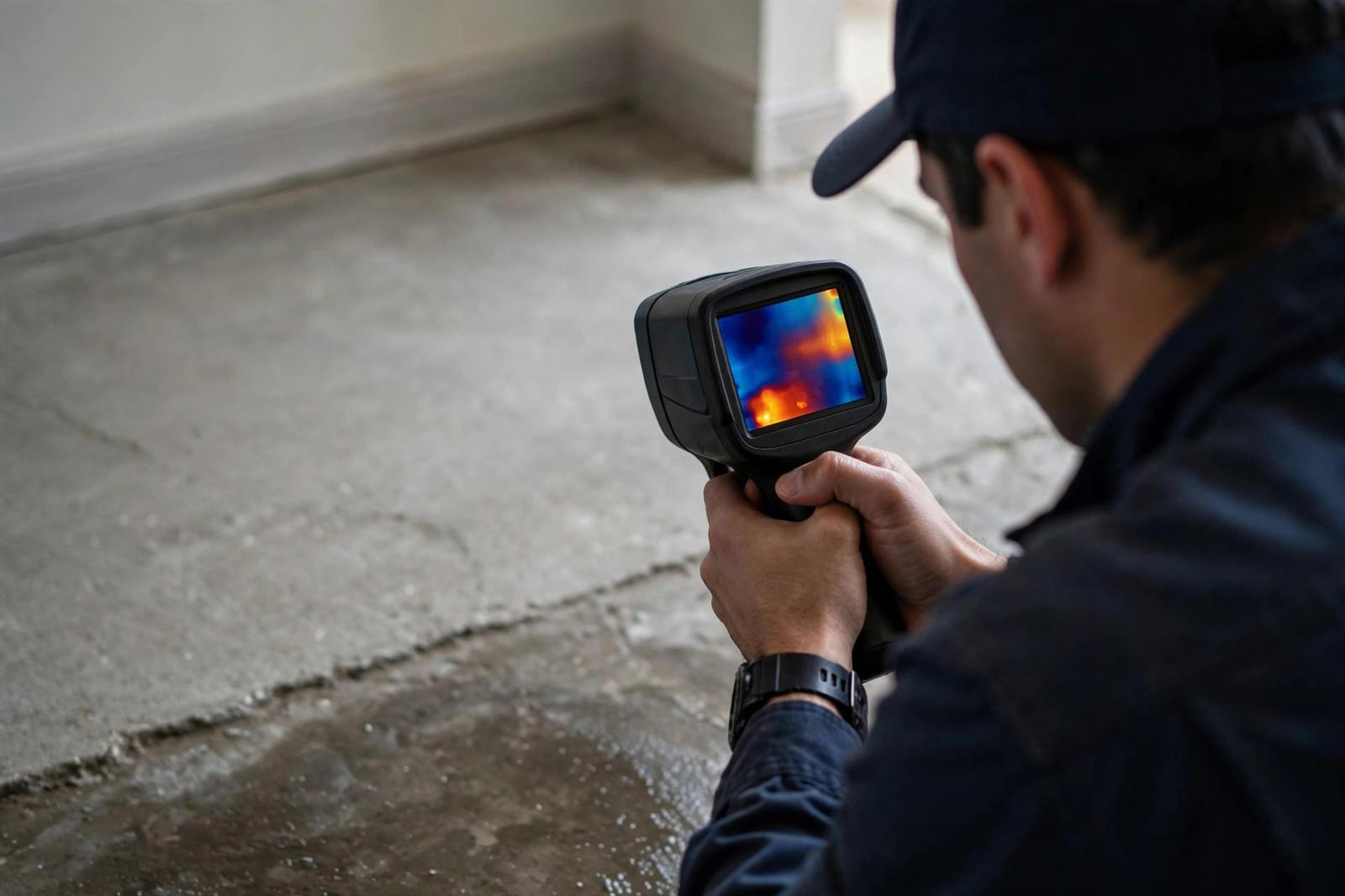
Why Slab Leaks Are So Common in Southern California
Clay soils, hard water, aging copper, and slab construction combine across Southern California. Here is why slab leaks cluster there and how they are found.
Read article →