 Leak Detection California
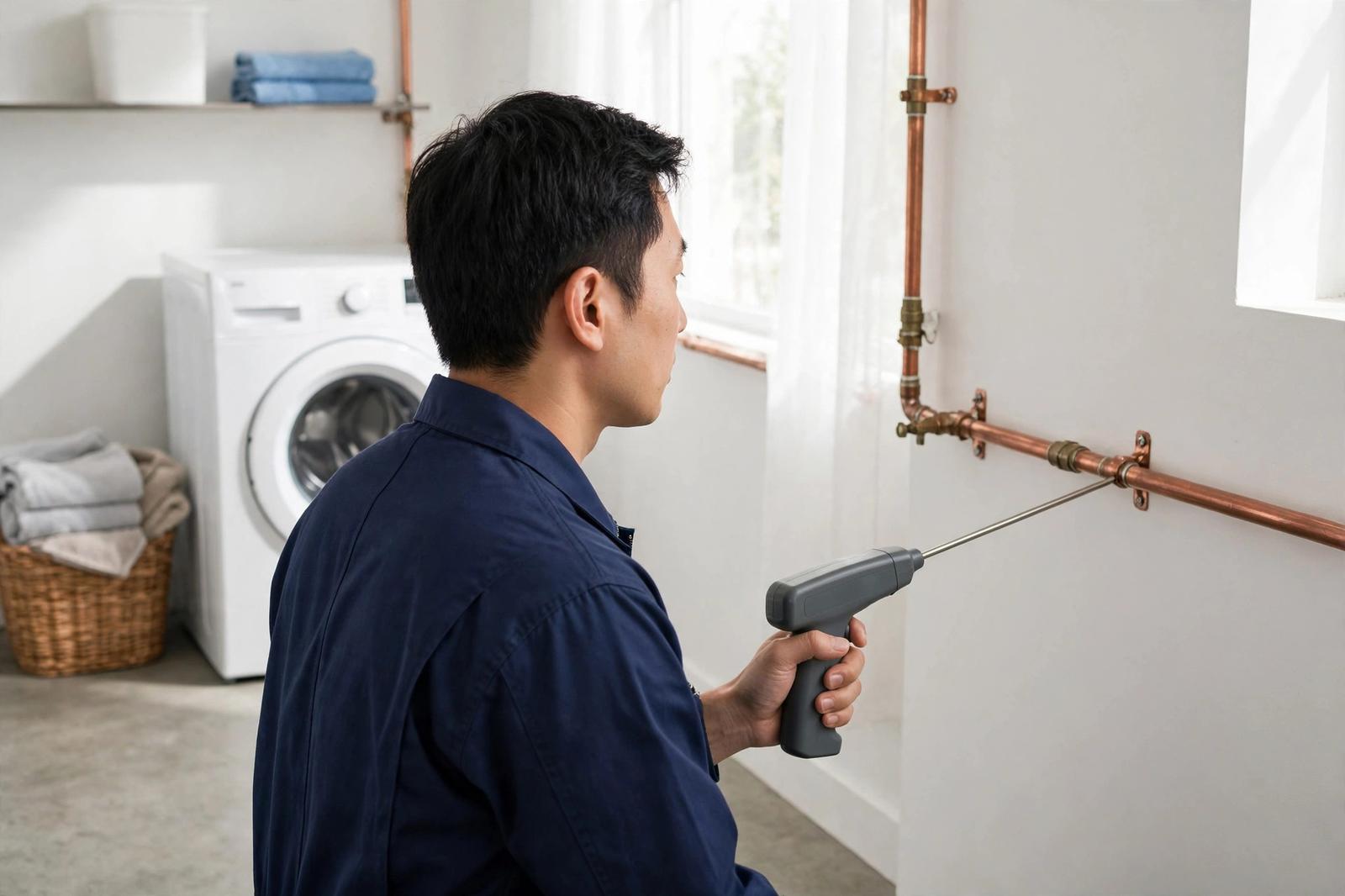
A kitchen leak often starts quietly, under a sink, behind a dishwasher, or along a refrigerator water line, and the first clear sign may be a musty smell, a warped cabinet floor, or a water bill that creeps upward without a change in routine. Kitchens carry more water connections than any other room in most California homes, with hot and cold supply lines, a drain assembly, a dishwasher feed, and often a refrigerator line sharing a small space, so a slow drip has many places to hide and plenty of wood, drywall, and flooring to damage before anyone notices. The good news is that most kitchen leaks leave early clues if you know where to look, and a short monthly check of the sink cabinet, the dishwasher edges, and the refrigerator connection can catch many of them while the fix is still simple. This guide walks through the signs room by room, explains which patterns point to a supply leak and which point to a drain problem, and shows when a meter check or a detection visit is the right next step. If you find active water, a sagging cabinet floor, or a stain that keeps growing, call Leak Detection California at (833) 382-2711 and describe what you found, so the visit can start at the most likely source.
Under the Kitchen Sink: The First Place to Look
Open the sink cabinet, take everything out, and look at the floor of the cabinet with a flashlight. You are looking for a darkened patch, a swollen or soft board, a white mineral crust around a joint, and any dampness that returns after you dry it. Run the tap, watch the supply connections and the drain assembly, and then run the tap again while the cabinet doors stay open, because some leaks only appear when water flows and pressure builds in the lines. Check the flexible supply lines where they meet the shutoff valves, and look at the valve bodies themselves, since a valve that weeps at the stem can drip for weeks and soak the cabinet base without ever producing a puddle on the kitchen floor. Also check the drain tailpiece, the trap, and the disposal connection if your home has one, and run a full sink of water before releasing it, because a drain leak sometimes only shows under a larger volume of water.
Pay attention to what the dampness smells like and where it sits. A supply leak usually leaves clean water and a mineral ring as it dries, while a drain leak often leaves a stale or sour smell and a darker stain. A stain directly below a supply valve points to that valve or its connector, while a stain below the trap points to the drain assembly. Note the pattern, and check again a few days later after drying the area thoroughly, because a stain that reappears without any tap use suggests a supply side drip, while a stain that only returns after the sink drains suggests a drain side problem. That distinction matters, because it tells a technician whether to pressure test the supply lines or to inspect the drain path. The hidden leak signs guide explains how to read stains and damp patches elsewhere in the home, and the water leak detection service covers what a kitchen visit tests first.
Dishwasher Leaks That Hide Behind a Panel
A dishwasher leak is easy to miss, because the machine sits behind a front panel and a kick plate, and a slow drip can run along the floor beneath it and into the subfloor before it ever appears in the open kitchen. Start by looking at the floor in front of the dishwasher and along the edges of the neighbouring cabinets, and feel for a soft spot, a lifted floorboard, or a faint musty smell near the machine. Pull the kick plate if you can do so safely, and look for dampness, mineral crust, or mould on the floor beneath the unit. Run a short cycle and watch the door seal, the corners of the door, and the area where the water line enters the machine, and check again after the cycle ends, because a door seal leak may only show when the tub fills and splashes.
Also check the drain hose route and the connection to the disposal or the drain, since a loose clamp or a cracked hose can spill water behind the cabinets each time the machine drains. A dishwasher that leaves the floor damp after every wash, a door seal that looks warped or torn, or a machine that rocks slightly because the floor beneath it has softened all deserve prompt attention. Keep a note of whether the dampness appears during filling, during washing, or during draining, because that timing narrows the source quickly. If the floor around the machine stays damp between cycles, or if you see mould growth on the cabinet wall beside the unit, stop using the machine until the source is found, and dry the area as far as you can reach. A related pattern, a bathroom leak that appears below an upstairs room, can follow the same logic of timing and location, and the guide to DIY checks versus professional detection explains which dishwasher checks are safe to do yourself and which call for a visit.
Refrigerator Water Lines and Slow Drips
A refrigerator with a water dispenser or an ice maker has a thin water line running to the back of the unit, and that line is a common source of slow kitchen leaks, because it is out of sight and often pinched, kinked, or fitted with a saddle valve that weeps over time. Pull the unit forward carefully, if you can do so without straining the line, and look at the floor behind it, the wall connection, and the line itself. Look for a puddle that reappears after drying, a mineral trail down the wall, or a soft, swollen section of flooring near the back legs. Check the connection at the wall valve and at the refrigerator inlet, and look for corrosion or a white crust on either fitting, which often marks a joint that has been damp for a long time. If the line runs through a cabinet or under the floor to reach the unit, check the cabinet floor and the room below as well, since a drip in a concealed run may show up one room away from the refrigerator.
A refrigerator leak sometimes announces itself through the ice maker first, with smaller cubes, a slow dispenser, or ice that clumps and refreezes, which can point to a line that is partly blocked or leaking before it reaches the unit. A musty smell behind the unit, a floor that feels uneven near the refrigerator, or a cabinet wall that shows a stain at the same height as the line all deserve a closer look. If you find a cracked plastic line, close the valve feeding it and keep the unit pulled out until the line is replaced, because a thin line under pressure can fail suddenly and release a large amount of water in a short time. The outdoor water line service covers lines that run outside the home, while the water meter check article shows how a meter test can confirm whether a refrigerator line is losing water while every tap is off.
Faucet, Sprayer and Supply Line Checks
Kitchen faucets and sprayers leak in places that are easy to overlook, including the base of the faucet, the sprayer hose inside the cabinet, and the connections beneath the sink deck. Check the base of the faucet for a ring of mineral crust or a dark stain on the sink deck, and look under the sink while a helper moves the faucet and the sprayer, because a sprayer hose leak may only appear when the hose is pulled out or pushed back. Feel the supply lines and the sprayer hose for dampness, and look for a drip that falls onto the cabinet floor after the tap is used. A faucet that drips from the spout after it is closed usually points to a worn cartridge or washer, while water that appears at the base during use usually points to a seal or a hose connection. Both are worth fixing promptly, because even a small, steady drip keeps the cabinet damp and invites mould growth on wood that rarely dries fully.
- Open the sink cabinet monthly, remove stored items, and inspect the floor, valves, trap, and supply lines with a flashlight.
- Run the tap and the dishwasher separately, and note whether dampness appears during filling, washing, draining, or only after use.
- Check the refrigerator water line at the wall valve and at the unit, and look for mineral crust, corrosion, or a floor that stays damp behind the unit.
- Move the faucet and sprayer while watching underneath, since sprayer hose leaks often hide until the hose moves.
- Dry any damp area, then recheck it after a few days, because a stain that returns without tap use points to the supply side.
| Where you find it | What it often means | What to do next |
|---|---|---|
| Damp sink cabinet floor | Supply valve, trap, or drain joint drip | Dry it, run water, watch each joint, note which one weeps |
| Damp floor near the dishwasher | Door seal, drain hose, or inlet leak | Note the cycle stage, stop use if dampness persists, arrange a check |
| Damp floor behind the refrigerator | Water line or valve fitting leak | Close the feed valve, keep the unit out, arrange a line check |
| Mineral crust at a fitting | A joint that has wept for a long time | Photograph it, check the meter, arrange detection if it returns |
The meter test ties these checks together. Turn off every tap, appliance, and irrigation zone, note the reading, wait, and read it again. If the reading moves while nothing is in use, water is leaving the system somewhere, and the kitchen pattern you recorded helps narrow the search. If the reading does not move, a supply leak is less likely, though a drain leak that only appears during use can still be present. That distinction is useful on a visit, because it separates a pressure test of the supply lines from an inspection of the drain path. The Los Angeles leak detection page and the San Diego leak detection page show how a local visit is arranged, and the water leak emergency article covers what to do first if water is flowing freely.
When to Call for Kitchen Leak Detection
Call for detection when a kitchen sign keeps returning after drying, when a cabinet floor feels soft or swollen, when mould appears on a cabinet wall, or when a meter test shows movement with everything off. Also call promptly if a supply line looks cracked or corroded, if a refrigerator line has failed, or if dampness spreads to a neighbouring room or a ceiling below. Before the visit, note which fixture was in use when the dampness appeared, whether the stain returns without tap use, and what the meter test showed, because those three notes help a technician choose the right test first instead of working through every connection at random. Close the shutoff valve for the fixture you suspect, if you can reach it safely, and keep the area dry and clear so the source is visible on arrival.
If a kitchen damp patch keeps coming back, a cabinet floor feels soft, or your meter moves with everything off, call Leak Detection California at (833) 382-2711. We will talk through your sink, dishwasher, and refrigerator checks, review the meter result, and arrange a detection visit to pinpoint the leak before it damages cabinets, flooring, or the rooms below.
Frequently Asked Questions
What is the first place to check for a kitchen leak?
Open the sink cabinet, remove stored items, and inspect the floor, valves, trap, and supply lines with a flashlight. Run the tap while watching each joint, since some leaks only appear under flow.How do I tell a dishwasher leak from a sink leak?
Note the timing. A dishwasher leak usually appears during filling, washing, or draining, and dampness near the machine edges points to the door seal, drain hose, or inlet. A sink leak usually tracks tap use and shows in the cabinet.Why does a refrigerator water line leak go unnoticed?
The line sits behind the unit, out of sight, and a slow drip can soak flooring before it appears in the open kitchen. Check the floor behind the unit, the wall valve, and the inlet fitting for mineral crust or dampness.When should I call for kitchen leak detection?
Call when dampness returns after drying, when a cabinet floor feels soft, when mould appears on a cabinet wall, or when a meter test shows movement with everything off. Call Leak Detection California at (833) 382-2711.More From the Blog

Water Leak Emergency: What to Do in the First 60 Minutes
Shut off the main valve, make the area safe, protect your belongings, and document damage. A clear first-hour plan for a California water leak emergency.
Read article →
Your Water Bill Spiked: Is It a Leak or Just Higher Rates?
A higher total does not always mean a leak. Compare usage with last year, do a simple meter check, and learn which culprits waste water silently and which are just rates.
Read article →
Why Slab Leaks Are So Common in Southern California
Clay soils, hard water, aging copper, and slab construction combine across Southern California. Here is why slab leaks cluster there and how they are found.
Read article →