 Leak Detection California

A hidden leak in an Irvine home often shows up as a water bill that climbs without a change in routine, a damp patch near a bathroom wall, or a strip of lawn that stays soft long after watering has stopped, and the planned layout of much of Irvine shapes where those signs appear. Many Irvine homes sit in villages with shared walls, common irrigation, slab foundations, and landscaping that is watered on a set schedule, so a leak can hide under a floor, behind a shared wall, or along a yard line while daily life carries on around it. This guide explains where Irvine leaks tend to hide, how planned landscaping and irrigation can mask a leak, which checks are worth doing first, and when to call a detection specialist. If water flows actively, a ceiling sags, or a floor patch feels hot, call Leak Detection California at (833) 382-2711 and describe the sign and the room, so the visit can start at the most likely source.
Planned Neighbourhoods and Shared Walls
Irvine grew as a series of planned villages, and that planning still shapes how leaks behave. Townhomes and condos often share walls, pipe runs, and sometimes water shutoffs, while detached homes sit on slabs with lines running beneath the floor and out to landscaped front yards. A leak behind a shared wall can stain a neighbour's ceiling before it stains your own, and a leak under a slab can warm one room while the rest of the house feels normal. That shared structure makes location notes more useful than guesswork. Write down which room shows the sign, which wall it touches, and whether the sign sits above, beside, or below a bathroom, kitchen, or laundry room, because a technician can use that map to narrow the search to one run of pipe rather than testing the whole home at random.
Shared walls also change how a conversation should start. If a stain appears on a wall you share with another home, tell the other household promptly and compare notes before anyone opens a wall or shuts off water for the whole building. One home may have a dripping valve while the other shows the stain, and fixing only the stained side can leave the source untouched. Keep the first steps simple and reversible: note the time the sign appeared, photograph the stain or damp patch in daylight, check whether it grows after showers, laundry, or dishwasher use, and keep the area clear so the pattern stays visible. Those notes help a water leak detection visit move faster, and they protect everyone involved from a repair that chases the symptom instead of the source.
Slab Foundations and Warm Floor Patches
Many Irvine homes are built on concrete slabs, with hot and cold lines running beneath the floor, and a slab leak is one of the harder leaks to spot from inside the house. The classic signs are a patch of floor that feels warm under bare feet, flooring that cups or loosens in one area, a faint sound of running water when every tap is off, and a meter that moves while nothing in the home is in use. Warmth matters because a hot line under a slab heats the concrete above it, and that heat often shows up in a hallway, a kitchen, or a ground floor bedroom rather than near a visible fixture. If you notice warmth, mark the edges of the warm area with tape, note whether it grows or stays the same over a day, and avoid covering it with rugs, because a clear warm patch is easier to trace than one hidden under layers of flooring.
Slab signs deserve a measured response rather than a rush to break concrete. A meter test comes first, because it separates a real leak from a one-off damp patch caused by a spill or a tracked-in wet shoe. Turn off every tap, appliance, and irrigation zone, note the meter reading, wait, and read it again, following the steps in our guide on how to check your water meter for a leak. If the reading moves, the next step is isolation, which narrows the leak to a house section or a yard section before any floor is touched. Our slab leak detection service uses non-invasive listening and tracing methods to pinpoint the break, so a repair can target one area instead of opening a whole room. You can read more about slab warning signs in our guide to slab leak warning signs before you call.
Irrigation, Landscaping and the Meter Test
Irvine landscaping is a strength of the city and also a hiding place for leaks. Front yards, parkways, and common areas are watered on schedules, and a break in a lateral line or a valve can run through every cycle with only soft ground, uneven growth, or a weak sprinkler head as clues. The extra water may look like normal watering at first, especially in warm months when lawns and planting need regular irrigation. Walk the yard after a dry spell and look for ground that stays soft, a strip of planting that grows faster than the rest, a head that sprays weakly or unevenly, and a valve box that holds water when the system is off. Test zones one at a time, and note the zone number and the area it covers when a zone shows weak pressure or pooling while other zones run normally, because that note helps a technician isolate the weak section.
When yard signs and indoor signs appear together, a staged meter test sorts them out. First, run the test with everything off, including irrigation, to confirm whether water is leaving the system at all. Then repeat the test with irrigation isolated, and again with the house isolated, if your shutoffs allow it safely. A reading that moves only when irrigation is on points to a yard or irrigation fault, while a reading that moves with irrigation off points indoors or along the service line. Our irrigation and sprinkler leak detection work follows that same staged logic, and our meter check guide explains the steps in plain language. Keep a short log of each test, with the time, the reading, and what was on or off, because a pattern across tests is more convincing than any single reading.
| Sign you notice | What it often points to | First check to try |
|---|---|---|
| Warm patch on a ground floor | Hot line leak under a slab | Meter test with everything off |
| Soft lawn strip in dry weather | Irrigation or yard line break | Zone by zone irrigation test |
| Stain on a shared wall | Pipe leak in a neighbouring run | Compare notes with the other household |
| Bill climbs without habit change | Hidden indoor or outdoor leak | Staged meter test, house then yard |
| Sound of running water, taps off | Pressurised line leaking out of sight | Listen room by room, then meter test |
Indoor Rooms Worth Checking in Order
Start indoor checks in the rooms that use the most water, and work outward from there. In bathrooms, look for a toilet that refills on its own, a base that rocks or feels damp, grout that stays dark after the room has dried, and a ceiling below an upstairs bathroom that shows a faint stain. In kitchens, open the sink cabinet and feel the base and supply lines, check the dishwasher connection for slow drips, and look at the refrigerator line if your fridge has a water connection. In laundry rooms, inspect washer hoses for bulges, cracks, or dampness at the connections, and check the wall behind the machine for discolouration. Each of these checks takes only a few minutes, and together they cover most indoor sources before a specialist is called.
Pay attention to timing, because timing separates a leak from everyday damp. A stain that darkens after a shower points to a shower or drain fault, while a stain that grows steadily through the night points to a pressurised supply line. A toilet that runs between flushes wastes water around the clock, and a sink trap that drips only while the tap runs points to a drain fault rather than a supply fault. Note the pattern in plain words: when it appears, what was running, and whether it fades or grows. That pattern, plus a meter test, gives a technician a starting point that is far more useful than a general report of damp somewhere in the house. For a broader checklist, see our guide to signs of a hidden water leak and our earlier post on bathroom leak signs.
When a Leak Affects More Than One Home
In a condo or townhome, a leak can cross a property line in ways that a detached home never faces. Water follows gravity and the path of least resistance, so a leak in an upstairs unit can stain a downstairs ceiling, and a leak in a shared wall can appear in the home next door. The practical response is communication first, and it should happen early, before walls are opened or water is shut off for a whole building. Share photos, note when the sign appeared, and ask whether the other household has noticed damp, a running toilet, a recent appliance change, or work on a shared wall. If your community has a management office or association contact, tell them too, so shutoffs and access can be coordinated rather than improvised.
Keep records of every conversation and every check, because a shared leak often involves more than one decision maker. A short written summary, with dates, photos, meter readings, and the rooms affected, helps everyone agree on the next step and avoids repeated testing of the same areas. A detection visit can then focus on tracing the source across the shared structure, using listening and isolation methods that do not require opening walls at random. If water flows actively, if a ceiling sags, or if an electrical outlet or switch sits in a wet wall, treat that as urgent, keep people out of the wet area, and call promptly rather than waiting for a committee decision. Safety comes first, and a clear record helps the repair that follows.
- Walk the yard and note soft ground, weak heads, and valve boxes that hold water.
- Check bathrooms, kitchen, and laundry connections for damp, drips, and toilets that refill on their own.
- Run a meter test with everything off, then repeat it in stages to separate house from yard.
- Mark warm floor patches with tape and note whether they grow, shrink, or stay the same.
- Share photos and notes with neighbours promptly when a shared wall is involved.
What to Do Next in Irvine
Put the checks in this guide together in one short routine. Walk the yard and note soft ground, weak heads, and valve boxes that hold water. Check bathrooms, kitchen, and laundry connections for damp, drips, and toilets that refill on their own. Run a meter test with everything off, then repeat it in stages to separate house from yard. Note warm floor patches, shared wall stains, and any sign that grows steadily rather than fading. If a sign keeps returning, if a meter test shows movement with everything off, or if water flows actively, do not wait for the next bill to confirm what you already suspect, because hidden leaks use water on a schedule you did not choose.
Leak Detection California serves Irvine and the surrounding Orange County communities, and our local page for leak detection in Irvine explains the service areas and the signs we check most often in planned neighbourhoods. For a wider view of how detection works, our water leak emergency guide covers the first steps when water is flowing, and our emergency leak detection page covers urgent visits. If you have a sign that will not settle, a meter that moves with everything off, or a shared wall stain that needs tracing, call Leak Detection California at (833) 382-2711 and describe what you have seen, where it appears, and what your meter test showed, so the visit can start at the most likely source.
Frequently Asked Questions
What are early signs of a hidden leak in an Irvine home?
Look for a bill that climbs without a habit change, a warm patch on a ground floor, soft yard ground in dry weather, a stain on a shared wall, and toilets that refill on their own. Two signs in the same area deserve a closer look.Why are irrigation leaks easy to miss in Irvine?
Planned landscaping is watered on schedules, so a break can run through every cycle and look like normal watering. Test zones one at a time, and look for weak heads, soft ground, and valve boxes that hold water when the system is off.How do I check my water meter for a leak?
Turn off every tap, appliance, and irrigation zone, note the meter reading, wait, then read it again. If the reading moves while nothing is in use, water is leaving the system somewhere.When should I call for leak detection in Irvine?
Call promptly when a sign keeps returning, when a meter test shows movement with everything off, when a floor patch feels warm, or when a shared wall stain needs tracing. Call urgently if water flows actively or a ceiling sags. You can reach Leak Detection California at (833) 382-2711.More From the Blog

Water Leak Emergency: What to Do in the First 60 Minutes
Shut off the main valve, make the area safe, protect your belongings, and document damage. A clear first-hour plan for a California water leak emergency.
Read article →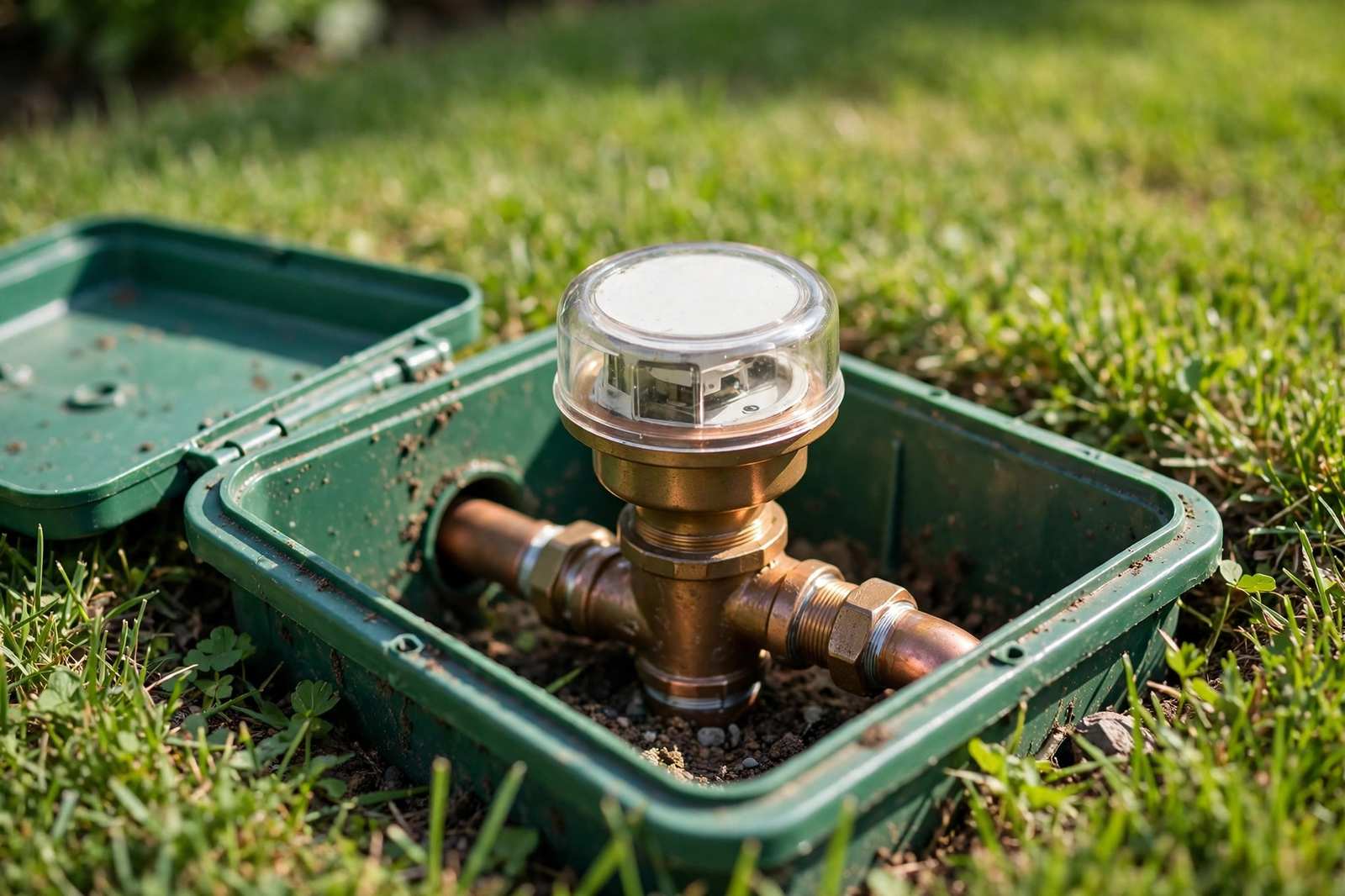
Your Water Bill Spiked: Is It a Leak or Just Higher Rates?
A higher total does not always mean a leak. Compare usage with last year, do a simple meter check, and learn which culprits waste water silently and which are just rates.
Read article →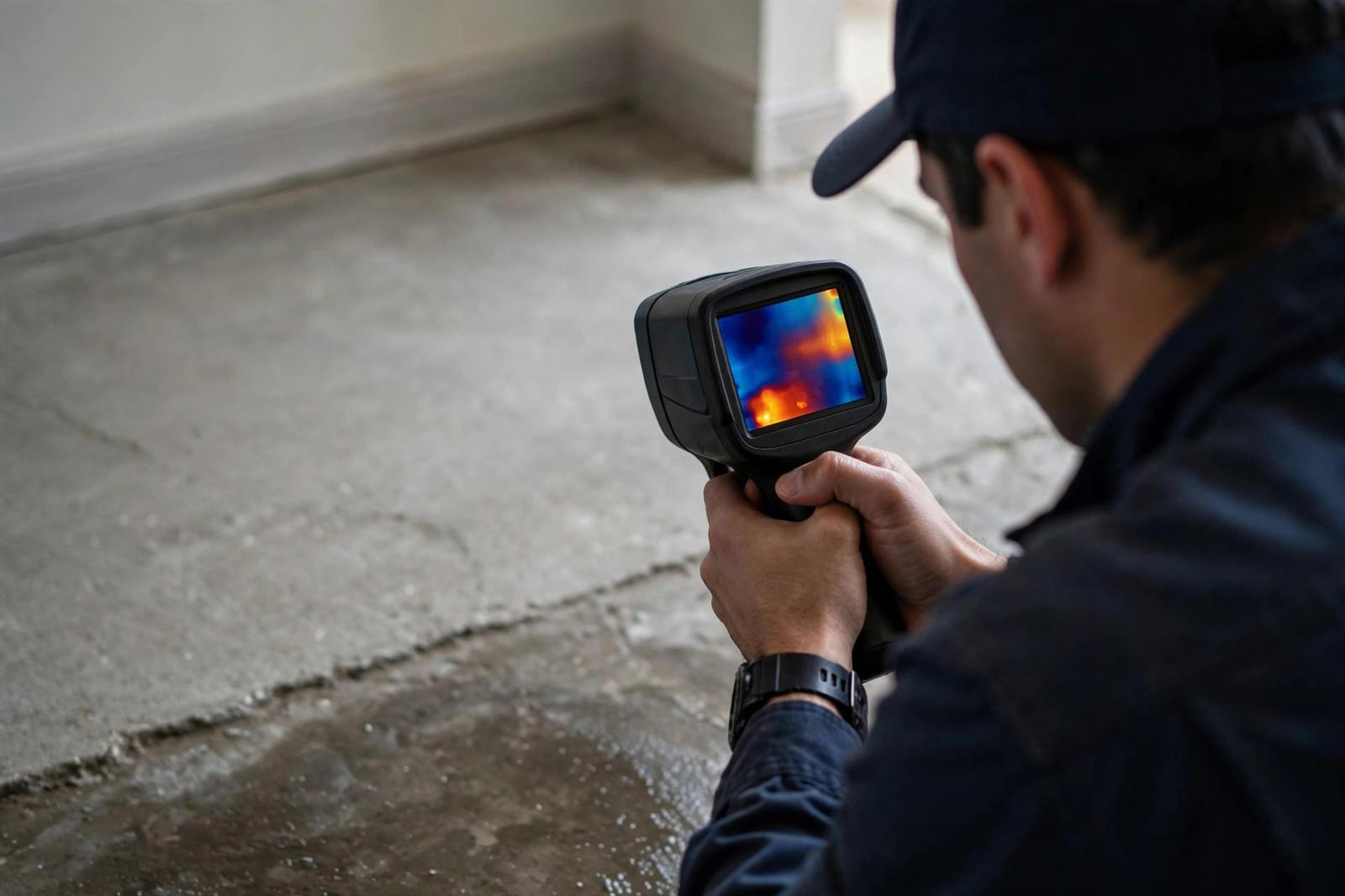
Why Slab Leaks Are So Common in Southern California
Clay soils, hard water, aging copper, and slab construction combine across Southern California. Here is why slab leaks cluster there and how they are found.
Read article →