 Leak Detection California
A leak near a foundation often shows up far from the pipe that caused it, as a crack that darkens with damp, soil that stays soft beside a wall, a floor edge that smells musty, or a water bill that climbs without a change in routine. California homes sit on a range of foundation types, from concrete slabs with lines running beneath them to raised foundations with crawlspaces underneath, and a leak in either arrangement can soak soil, framing, and finishes for weeks before it produces a puddle anyone can see. The clues tend to gather at the edges of the home: at the base of exterior walls, along the slab edge, in the soil beside the foundation, and on the ground floor just inside the wall. This guide explains how to read those edge signs, how to tell a plumbing leak from surface drainage, which checks are safe to do yourself, and when a meter test or a detection visit is the right next step. If a crack widens quickly, a floor sags, or water flows near a foundation, call Leak Detection California at (833) 382-2711 and describe the location and what you can see.
Cracks, Stains and Damp at the Foundation Edge
Start outside, and walk the full perimeter of the home, looking at the base of each exterior wall and the soil beside it. You are looking for a crack that looks damp or darkened, a white mineral crust along a crack or a wall base, paint or stucco that bubbles near the ground, and soil that stays soft or dark in one stretch while the rest of the perimeter dries normally. Check the same spots after dry days, because a damp patch that survives dry weather points more strongly to a leak than a patch that appears only after rain. Also look for a section of planting beside the foundation that grows faster than the rest, since a steady supply of leaking water can feed one strip of planting while the surrounding soil stays dry.
Inside, check the ground floor rooms that back onto the foundation walls, and look for a musty smell near a floor edge, a baseboard that swells, flooring that lifts near a wall, and a stain that tracks the line where the floor meets the wall. Note whether the indoor sign sits on the same wall as an outdoor damp patch, because a pair of signs on the same wall often marks the line route better than either sign alone. Photograph each crack and damp patch with something for scale, and recheck the same spots after a week, because a crack that widens, a stain that grows, or a damp patch that spreads all deserve prompt attention, while a hairline crack that stays dry and unchanged across seasons is a different matter. The hidden leak signs guide explains how to read stains and damp patches across a home, and the underground pipe leak article covers yard signs that often appear alongside foundation damp.
Slab Edges, Crawlspaces and Raised Foundations
On a slab foundation, a leak under the floor may first appear at the slab edge, as damp soil beside the wall, a warm patch on the ground floor near an exterior wall, or flooring that lifts in a room that backs onto the slab edge. Check ground floor rooms for a warm patch that stays in the same place, and note whether warmth tracks hot water use, since a hot water line leak under a slab often follows that pattern. On a raised foundation, the crawlspace gives a different set of clues: a musty smell from a vent, damp soil under the home, insulation that sags or falls, and wood that feels soft near a pipe run. If you can look into a crawlspace safely, use a flashlight and look for standing water, mineral crust on pipes, and damp soil in one area, but do not enter a space that feels unsafe, has exposed wiring near water, or shows signs of pests.
Both foundation types share one useful rule: water follows the path of least resistance, so the visible damp patch may sit some distance from the actual break, along a joist, a wall plate, or a soil channel. That is why a single damp spot rarely locates a leak on its own, and why the pattern of several signs together, indoor and outdoor, on the same side of the home, matters more. A crawlspace leak article covers under home checks in detail, the slab leak article for Southern California explains slab line risks, and the crawlspace detection service covers what a visit tests beneath a raised home.
Leak or Drainage: Telling the Two Apart
Not every damp patch beside a foundation comes from a plumbing leak, and telling a leak from surface drainage saves a great deal of wasted effort. Surface water usually follows rain, roof runoff, and grading, so it appears after storms, near downspouts, and in low spots where water collects, and it dries as the ground dries. A plumbing leak, by contrast, runs steadily, so its damp patch survives dry spells, appears even when no rain has fallen, and often sits along a known line route, such as the path from the street meter to the home, or the run to an outdoor faucet or irrigation valve. Check where roof water lands, whether gutters discharge beside the foundation, and whether the ground slopes toward or away from the wall, because a downspout that dumps water at a wall base can mimic a leak after every storm.
The water meter test settles the question in most cases. Turn off every tap, appliance, and irrigation zone, note the reading, wait, and read it again. If the reading moves while nothing is in use, water is leaving the supply system somewhere, and a damp foundation edge becomes a strong candidate location. If the reading does not move, surface drainage or a drain leak that only appears during use becomes more likely, and the next check is to watch the damp patch after rain, after showers, and after wash days, to see which event brings it back. Record the readings, the weather, and the timing, because that small log often separates a plumbing job from a drainage job before any testing starts. The water meter check article explains the test step by step, and the water meter detection service page covers meter based visits.
Soil, Grading and Seasonal Patterns
Soil and grading shape how a foundation leak appears, and California ground conditions vary enough that the same leak can look different in two homes. Expansive soil swells when wet and shrinks when dry, so a leak that keeps one stretch of soil damp can stress a foundation edge over time, while sandy or well drained soil may let a leak pass downward with only a soft surface patch to show for it. Look for soil that pulls away from a wall in dry spells, a gap that opens and closes with the seasons, and a stretch of ground that stays soft while neighbouring ground firms up. Also note any recent yard work, planting, trenching, or driveway work near the foundation, because a disturbed section of line is a common starting point for a leak, and that history often points a technician to the right stretch of pipe first.
- Walk the full perimeter after dry days, and look for damp soil, mineral crust, bubbling paint, or stucco near the ground.
- Pair each outdoor sign with an indoor check on the same wall, and look for musty floor edges, swelling baseboards, or lifting flooring.
- Run the meter test, and compare a damp patch that survives dry weather against one that only follows rain.
- Note recent yard work, planting, or trenching near the foundation, since disturbed lines fail first.
- Recheck cracks and damp patches after a week, and flag any crack that widens or any stain that grows.
| What you find | What it often means | What to do next |
|---|---|---|
| Damp soil beside a wall in dry weather | Plumbing leak near the foundation | Run a meter test, note the wall, arrange detection |
| Damp patch only after rain | Surface drainage or roof runoff | Check gutters, downspouts, and grading first |
| Crack that darkens with damp | Water reaching the foundation edge | Photograph it, recheck weekly, call if it widens |
| Warm floor patch near an exterior wall | Hot water line under the slab | Note hot water timing, arrange a slab check |
Seasonal timing adds another clue. A damp patch that appears in a dry season, when no rain has fallen for weeks, points strongly to a plumbing source, while a patch that appears only in wet weather and dries fully between storms points more to drainage. A patch that grows slowly across a season, regardless of weather, deserves a meter test even if no indoor stain has appeared yet, because a foundation leak can soak soil and framing for a long time before it breaks through a finished surface. The Fresno leak detection page and the Bakersfield leak detection page cover inland cities where soil and dry season patterns shape leak signs, and the water bill spike article explains how to read a bill that climbs without a habit change.
When to Call for Foundation Leak Detection
Call for detection when a damp foundation patch survives dry weather, when a crack darkens with damp or widens, when a floor edge smells musty or a baseboard swells, when a warm floor patch appears near an exterior wall, or when a meter test shows movement with everything off. Call urgently if a crack widens quickly, if a floor sags, or if water flows near a foundation. Before the visit, note which walls show signs, the meter readings and times, the weather pattern around each sign, and any recent yard work near the foundation, and keep the perimeter clear of stored items so the wall bases and soil can be inspected. Avoid cutting into walls, flooring, or concrete to chase a suspected foundation leak, since opening a surface without a located source usually creates damage without finding the break.
If a foundation edge stays damp in dry weather, a crack darkens or widens, or your meter moves with everything off, call Leak Detection California at (833) 382-2711. We will talk through your perimeter signs, the meter result, and the likely line route, then arrange a detection visit to pinpoint the leak before it damages the foundation, framing, or flooring.
Frequently Asked Questions
What are early signs of a leak near a foundation?
Look for soil that stays soft beside a wall in dry weather, a crack that darkens with damp, mineral crust at a wall base, a musty floor edge indoors, and a bill that climbs without a habit change.How do I tell a plumbing leak from surface drainage?
Surface water follows rain, roof runoff, and grading, and dries as the ground dries. A plumbing leak runs steadily, so its damp patch survives dry spells. A meter test settles the question in most cases.What should I check on a slab versus a raised foundation?
On a slab, check for warm floor patches near exterior walls and damp soil at the slab edge. On a raised foundation, check the crawlspace for damp soil, sagging insulation, and soft wood near pipe runs, if you can look in safely.When should I call for foundation leak detection?
Call when a damp foundation patch survives dry weather, when a crack darkens or widens, when a floor edge smells musty, or when a meter test shows movement. Call Leak Detection California at (833) 382-2711.More From the Blog

Water Leak Emergency: What to Do in the First 60 Minutes
Shut off the main valve, make the area safe, protect your belongings, and document damage. A clear first-hour plan for a California water leak emergency.
Read article →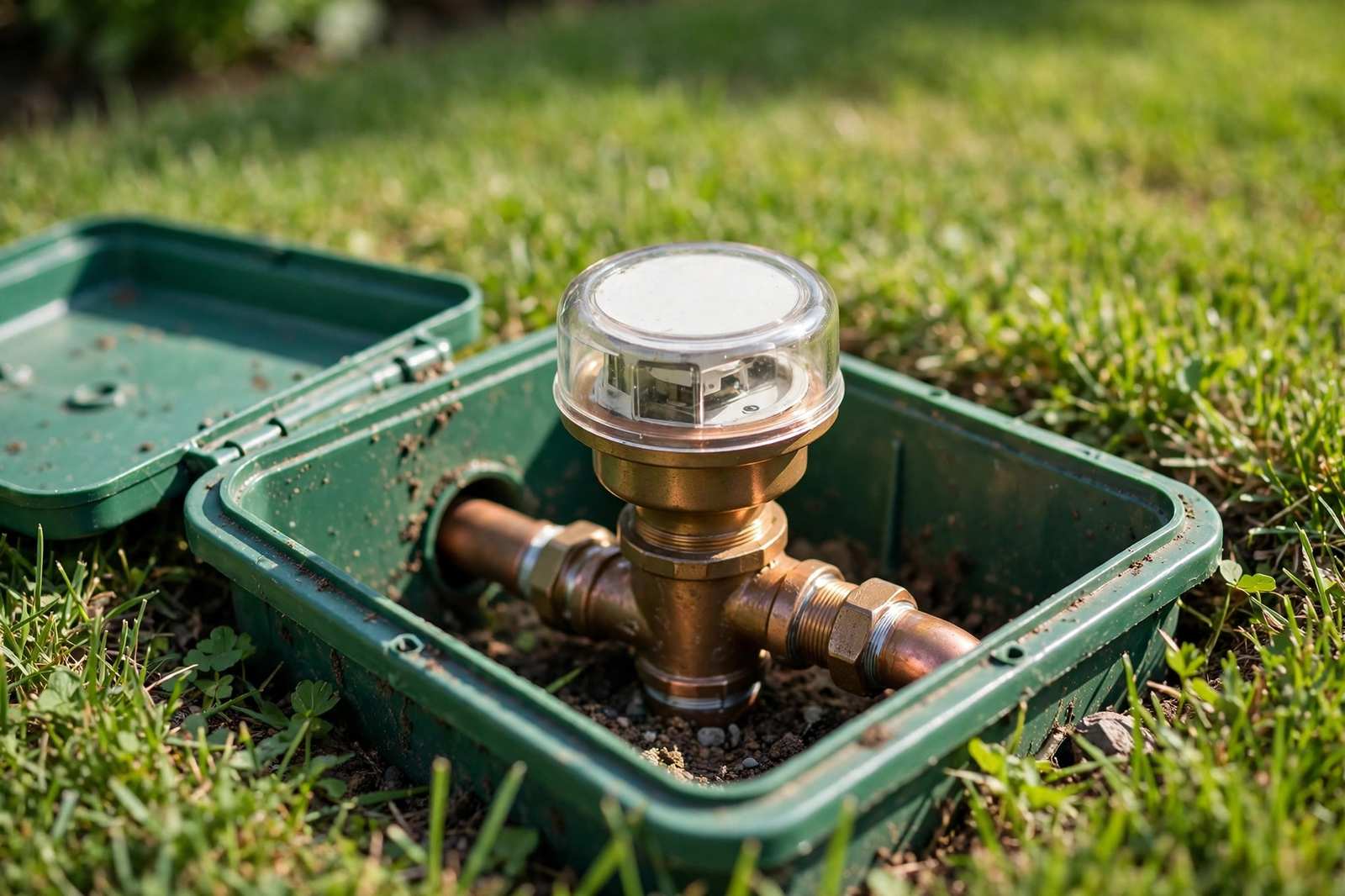
Your Water Bill Spiked: Is It a Leak or Just Higher Rates?
A higher total does not always mean a leak. Compare usage with last year, do a simple meter check, and learn which culprits waste water silently and which are just rates.
Read article →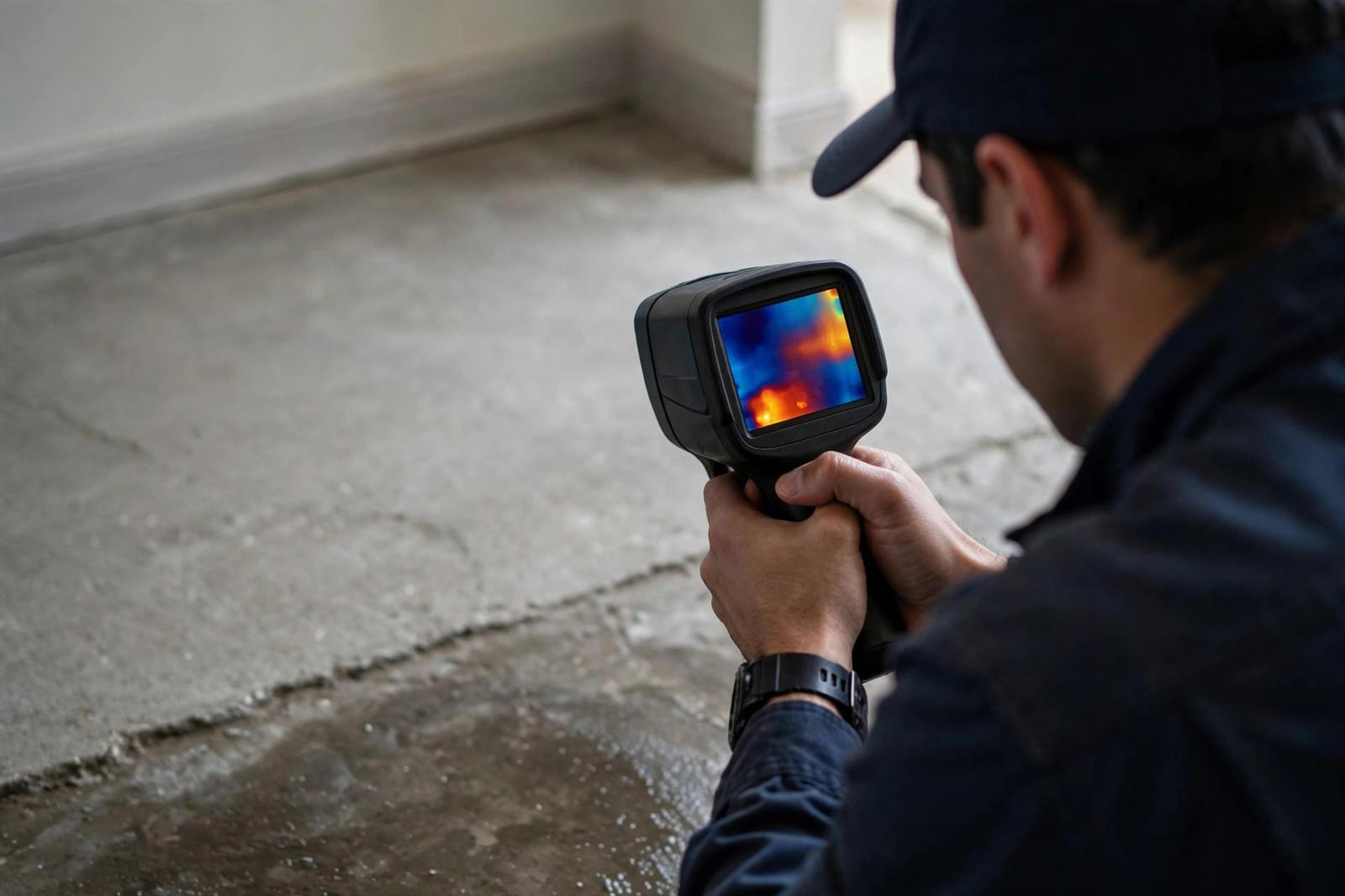
Why Slab Leaks Are So Common in Southern California
Clay soils, hard water, aging copper, and slab construction combine across Southern California. Here is why slab leaks cluster there and how they are found.
Read article →