 Leak Detection California
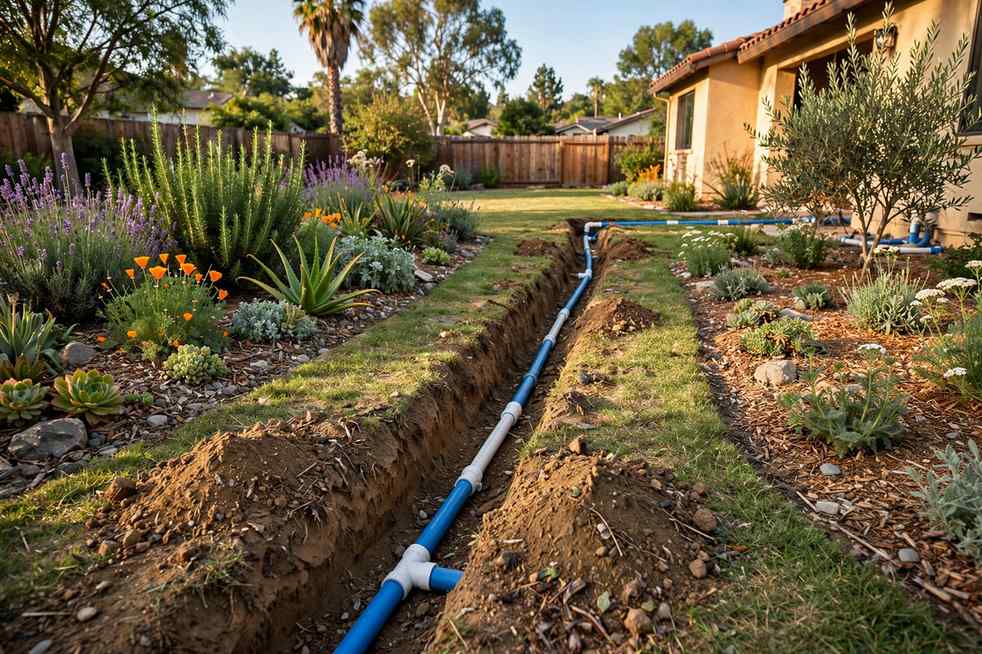
Bakersfield homes face a particular combination of heat, dry ground, and irrigation use, and that combination shapes how hidden leaks show up. A leak here may appear as a warm patch on a slab floor, a yard patch that stays damp in dry weather, a water bill that climbs during irrigation season, or a stain that returns in a bathroom or a laundry area. This guide explains which signs matter most in Bakersfield, where leaks tend to hide in Central Valley homes, how to run a useful meter check, and when to call a detection specialist. Local service detail is also available on our Bakersfield leak detection page.
Heat, Dry Ground, and Why Yard Clues Stand Out
In a dry climate, a wet patch stands out. Soil that stays damp long after watering, grass that grows faster in one area, or a section of yard that feels soft underfoot can all point to an outdoor or underground leak, because the surrounding ground is otherwise dry. That contrast is useful, but it needs care: a patch that is wet only after irrigation, or only after rain, may be a drainage or watering pattern rather than a pipe leak. The pattern over time matters more than a single wet day.
Check yard clues over several days. Note whether a patch stays damp between watering days, whether it grows after the irrigation system runs, and whether it appears near a valve box, a sprinkler head, or a pipe run. Photograph the patch from the same angle on different days, so growth or shrinkage is visible. A patch that stays damp while the rest of the yard dries, and that grows when a particular irrigation zone runs, points toward that zone or a nearby line. A patch that appears only after rain and dries steadily afterwards points more toward drainage.
Heat also affects indoor clues. Warm floor patches from a slab leak can be harder to notice in a warm home, because the whole floor may feel warm. Look instead for a patch that feels warmer than the surrounding floor at the same time of day, flooring that lifts or warps in one area, or damp at a wall base that does not dry. A slab leak detection check uses thermal imaging to compare floor temperatures systematically, which is more reliable than a barefoot check in a warm house. Our guide to why slab leaks are common in Southern California explains the slab pattern in more detail.
Slab Leaks in Central Valley Homes
Many Bakersfield homes sit on concrete slabs, so a break in a pipe below the floor spreads moisture under flooring rather than showing as a puddle. The early signs are often subtle: a floor area that feels warmer than its neighbours, tiles or flooring that lift in one spot, a musty smell in one room, or damp at the base of a wall. A bill that climbs steadily can also be an early sign, because a slab leak often runs constantly, even when no tap is open.
When checking for a slab leak, look for a combination of clues rather than a single sign. A warm patch on its own could have another explanation, such as sun on a floor or a heating run. A warm patch paired with lifting flooring, damp at a nearby wall base, and a meter that moves with everything off forms a stronger pattern. Note which rooms are affected, whether the patch is on a hot water or a cold water run, and whether the pattern changes when hot water is not used for a period. That detail helps a technician decide which run to test first.
Do not try to locate a slab leak by opening flooring yourself. A slab opening is disruptive, and a search based on guesswork can mean several openings before the leak is found. Detection equipment narrows the area first, using acoustic listening to hear water escaping under pressure and thermal imaging to map temperature patterns across the floor. A water leak detection visit should produce a written report naming the location, the methods used, and the areas ruled out, so a repair crew can work from a precise starting point.
Irrigation Leaks and the Water Bill
Irrigation is a frequent source of hidden water loss in Bakersfield, because systems run regularly, cover a large area, and include many joints, valves, and heads that are buried or hidden by planting. A cracked lateral line, a valve that does not close fully, or a head that leaks at its base can lose water every time that zone runs, without any indoor sign. The first warning is often a bill that climbs during irrigation season, or a zone that behaves differently from the others.
Check irrigation zones one at a time. Run each zone, walk the area while it runs, and look for a head that sprays unevenly, a valve box that fills with water, or a patch of ground that stays wet after the zone stops. Then check the meter with irrigation off, and again with one zone running, to see which zone is linked to unusual movement. Our guide to irrigation leaks and the water bill walks through that zone by zone check. If a zone stays damp, a head keeps leaking after the zone stops, or a valve box stays wet, note the zone number and the exact location, because that detail speeds up a detection visit.
Also check the main irrigation supply and the backflow area for damp, mineral build up, or a slow drip. A leak at the main supply can affect every zone and can look like a general increase in use rather than a single zone fault. If the meter moves with irrigation off and every indoor tap off, the search shifts toward a main line, a service line, or an indoor pressurised line, rather than a single irrigation zone. An irrigation and sprinkler leak detection visit can test zones and supply lines systematically, rather than digging up a zone based on a guess.
Indoor Signs: Bathrooms, Laundry, and Water Heaters
Indoor leaks in Bakersfield homes follow the same patterns as elsewhere in California, but they are easy to overlook when attention is focused on the yard. Check bathrooms for toilets that refill on their own, shower grout that stays dark, seals that gap at a tub edge, and stains on ceilings below bathrooms. Check laundry areas for supply connections that drip, a drain that backs up only under a full load, and flooring that feels soft near the machines. Check water heater areas for a base that stays damp, a relief valve that drips, or a connection that shows mineral build up.
Water heater leaks deserve a careful look, because a heater sits in a garage, a cupboard, or a utility area that is checked less often than a bathroom. Look at the base, the connections, and the floor around the heater, and note any damp that returns after drying. Our article on water heater leak signs explains which heater clues matter and which checks are safe to do at home. If a heater area stays damp, keep stored items clear of it, do not cover a damp floor with boxes or matting, and arrange a check promptly, because a heater leak can soak a slab or a wall base quietly.
Laundry and kitchen supply lines are also worth a look. A washing machine supply hose, a dishwasher connection, or a refrigerator water line can develop a slow drip at a connection that only shows when the appliance runs. Check behind and beneath appliances where access allows, look for a floor that stays damp after use, and note whether damp follows a particular appliance cycle. A ceiling and wall leak detection check can trace a stain from a laundry or kitchen area back to its source when the appliance itself looks dry.
The Meter Check for a Bakersfield Home
The meter check is the most useful single test for a Bakersfield homeowner, because it separates a plumbing leak from a watering or drainage pattern. Turn off every tap, appliance, and irrigation zone, note the meter reading, wait, and read it again. If the reading moves while nothing is in use, water is leaving the system somewhere. If it stays still, the search shifts toward a drain leak, a fixture that only leaks while it runs, or a surface water pattern. Our article on how to check your water meter for a leak sets out the steps, including how to make sure appliances that fill automatically are truly off.
- Compare recent bills with earlier periods and note whether a rise is steady, sudden, or linked to irrigation season.
- Run the meter test with everything off, including irrigation zones and appliances that may fill on their own.
- Test irrigation zones one at a time, and note which zone, if any, is linked to damp ground or meter movement.
- Walk the ground floor for warm patches, lifting flooring, and damp at wall bases.
- Check bathrooms, laundry, and water heater areas for damp that returns after drying.
- Keep dated photographs and meter notes, so a technician can see the pattern over time.
Keep the notes simple and consistent: date, meter reading before and after, what was running, and what you saw in the yard and indoors. That record is more useful than a single reading, because it shows whether the leak is constant, intermittent, or linked to one zone or one fixture. It also helps if the problem returns after a repair, because the history shows whether the same area or a new source is involved. For a broader view of bill patterns, read whether a bill spike means a leak or higher rates before assuming a single cause.
What a Detection Visit Covers, and When to Call
A detection visit in Bakersfield usually starts with your meter notes, bill pattern, and yard observations. The technician then checks the most likely areas first: slab runs if a warm floor patch is present, irrigation zones if a yard patch is linked to one zone, and indoor fixtures if a stain follows bathroom or laundry use. Acoustic listening, thermal imaging, and pressure or isolation tests are used to narrow the source, and a buried line can be tested without digging a trench first. That sequence matters in a dry climate, where digging up a yard based on a surface patch alone can miss a line that runs elsewhere.
The table below summarises common Bakersfield patterns and the checks that tend to follow. It is a guide for observation, not a diagnosis, and a mixed pattern still deserves a professional check.
| Pattern you notice | Possible area to check first | Useful next step |
|---|---|---|
| Yard patch stays damp in dry weather | Irrigation zone or outdoor line | Zone by zone meter test |
| Warm floor patch, lifting flooring | Slab pipe run below | Thermal and acoustic slab check |
| Bill climbs in irrigation season | Irrigation supply or a zone valve | Zone isolation and supply check |
| Stain below a bathroom | Bathroom fixture or drain | Fixture by fixture test |
| Meter moves with everything off | Pressurised line, slab, or service line | Detection visit with listening equipment |
A detection report should name the leak location, the methods used, and the areas ruled out. Keep that report with your bill and meter notes, because it gives a repair crew a precise starting point and gives you a record of when the problem was found. If a later problem appears in the same area, that history helps distinguish a new leak from a return of the original one.
Call promptly when a yard patch stays damp in dry weather, when a floor patch feels warm, when flooring lifts in one area, when a meter test shows movement with everything off, or when a stain keeps returning after cleaning. Call urgently when water flows actively, when a ceiling sags, or when water sits near electrical fittings. A prompt call matters in Bakersfield, because a slab or irrigation leak that runs constantly can spread moisture widely before it produces an obvious puddle.
Before the visit, gather your notes: bill pattern, meter readings, irrigation zone observations, yard photographs over time, and any indoor stains or damp areas. Clear access to the meter, to valve boxes, and to the rooms above and below a stain if you can do so safely. That preparation helps the technician plan the visit and reduces time spent searching areas your notes have already ruled out.
If you are seeing a damp yard patch that will not dry, a warm floor patch, lifting flooring, or a bill that climbs without explanation in a Bakersfield home, call Leak Detection California at (833) 382-2711. We will talk through what you have noticed, what your meter test showed, and which checks make sense first, then arrange a detection visit to pinpoint the source.
Frequently Asked Questions
What are early signs of a hidden leak in a Bakersfield home?
Look for a warm floor patch, flooring that lifts in one area, damp at a wall base, a yard patch that stays damp in dry weather, and a bill that climbs steadily. A combination of those clues, rather than one sign alone, forms the strongest pattern.How do irrigation leaks raise a water bill without an indoor sign?
A cracked lateral line, a valve that does not close fully, or a head that leaks at its base can lose water every time that zone runs, without any indoor damp. Testing zones one at a time while watching the meter can show which zone is involved.Why are slab leaks hard to notice in a warm home?
In a warm home the whole floor may feel warm, so a slab leak patch can be hard to pick out by touch alone. Look for a patch warmer than the surrounding floor at the same time of day, flooring that lifts in one area, or damp at a nearby wall base, and use thermal imaging to compare floor temperatures.When should I call for leak detection in Bakersfield?
Call promptly when a yard patch stays damp in dry weather, when a floor patch feels warm, when a meter test shows movement with everything off, or when a stain keeps returning. You can reach Leak Detection California at (833) 382-2711.More From the Blog

Water Leak Emergency: What to Do in the First 60 Minutes
Shut off the main valve, make the area safe, protect your belongings, and document damage. A clear first-hour plan for a California water leak emergency.
Read article →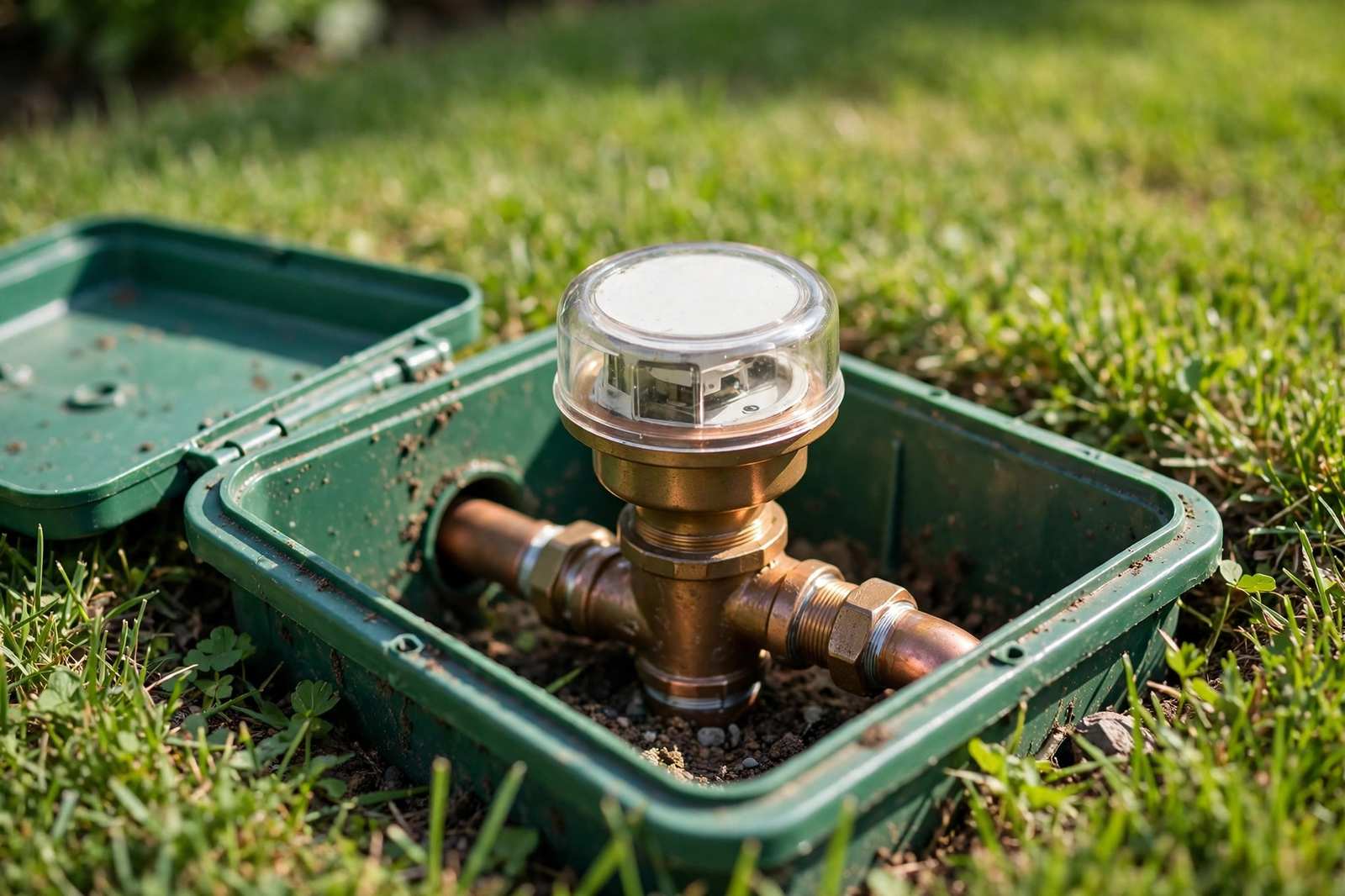
Your Water Bill Spiked: Is It a Leak or Just Higher Rates?
A higher total does not always mean a leak. Compare usage with last year, do a simple meter check, and learn which culprits waste water silently and which are just rates.
Read article →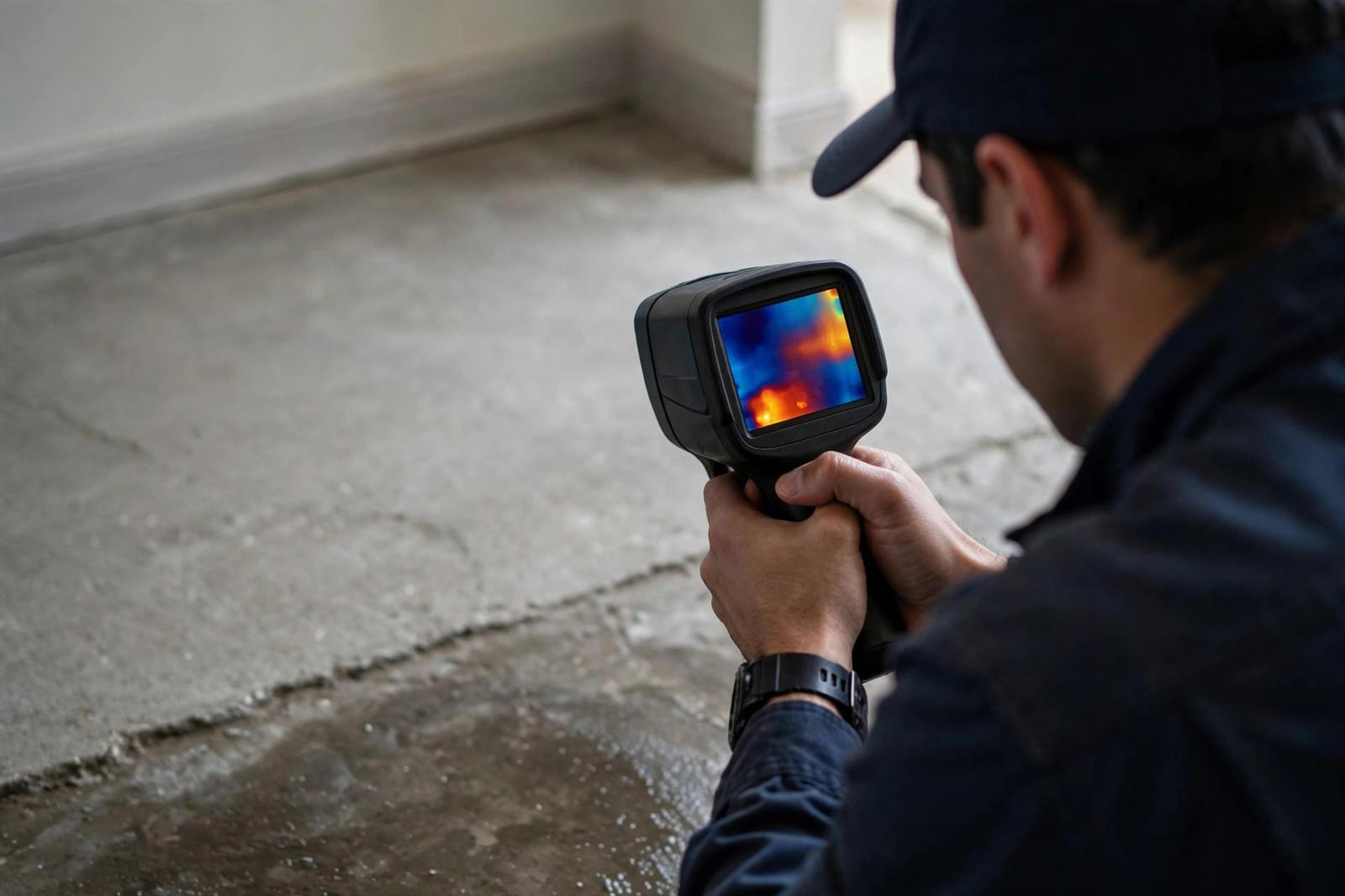
Why Slab Leaks Are So Common in Southern California
Clay soils, hard water, aging copper, and slab construction combine across Southern California. Here is why slab leaks cluster there and how they are found.
Read article →