 Leak Detection California

If you suspect a hidden leak in a San Francisco home, start with the quiet clues first and act before a small seep becomes a damaged wall, a warped floor, or a bill that keeps climbing. San Francisco homes are often older, built close together, and plumbed through walls, ceilings, and foundations that leave little room for a leak to show itself early. A pipe can weep behind plaster for weeks while the only signs are a faint stain, a musty corner, or a floorboard that feels slightly soft underfoot. This guide explains where leaks hide in San Francisco houses, how the city's hills, fog, and older plumbing change the picture, and how a detection visit narrows the search to one area instead of opening up room after room.
Why San Francisco Homes Hide Leaks So Well
Many San Francisco homes were built long before modern plumbing layouts became standard, and later remodels often layered new fixtures onto old lines. That history matters. A bathroom added above a kitchen, a laundry moved to a garage, or a kitchen pushed to the back of a house can mean long pipe runs that pass through ceilings and shared walls. When a joint in one of those runs starts to weep, the water may travel along a joist or inside a wall cavity and appear far from the actual break. The stain you see in a downstairs ceiling may point to a bathroom two rooms away, not the fixture directly above it.
Close construction adds another layer. In row houses and flats, a leak in one unit can show up in a neighbor's ceiling or a shared wall, and the source is not always obvious from inside a single home. Shared walls, stacked bathrooms, and common drain lines mean the first sign can appear next door. A careful check looks at the whole pattern, not just the single stain. Note which rooms sit above and beside the damp area, when the damp appears, and whether it grows after showers, laundry, or dishwashing. Those details help a technician decide whether the problem is a supply line under pressure, a drain that only leaks when water runs through it, or a fixture seal that fails only during use.
Access is also tighter than in many California cities. Crawl spaces can be shallow, basements may double as living space, and pipe runs may sit behind finished walls with no inspection panel. That does not make detection impossible, but it does make guessing expensive. Opening walls at random can damage plaster and finishes without ever reaching the break. Non-invasive checks, such as meter readings, pressure isolation, moisture readings, and acoustic listening, narrow the area first. The aim is one focused opening at the confirmed spot, not a search across a whole floor. If you are comparing options, the guide to how leak detection works explains the sequence technicians follow, and the water leak detection service page describes what a visit covers in a typical home.
Hills, Soil Movement, and Older Pipe Materials
San Francisco's hills are part of its character, and they also shape how pipes behave. Homes on slopes often have stepped foundations, retaining walls, and drainage paths that shift water toward one side of a lot. Soil movement, even slow seasonal movement, can stress rigid pipe joints over time. A joint that held for years can start to seep after a wet winter or a dry stretch changes how the ground settles around it. The leak that follows may be underground, under a slab, or inside a wall near the foundation, and it may not produce a puddle at all.
Older pipe materials add to the risk. Galvanized steel lines can corrode from the inside, narrowing the pipe and weakening joints. Copper lines can develop pinhole leaks where water chemistry and age meet at a bend or a fitting. Cast iron drains can crack or scale, and a drain leak behaves differently from a supply leak, often appearing only when a fixture is used. None of this means every older home is leaking. It means age and material should shape where you look first. If your home still has original supply lines and you notice a new stain, a drop in pressure, or discolored water, treat those signs as a reason to check, not as a reason to wait for a second symptom.
Fog and damp air complicate the picture in a different way. San Francisco homes often feel damp even when nothing is leaking, especially in rooms that face the fog belt or sit close to the ground. Condensation on cold pipes, windows, and exterior walls can look like a leak at first glance. The difference is pattern. Condensation tends to appear broadly, on cold surfaces, and to dry when ventilation improves. A leak tends to stay in one place, return after drying, and grow in step with water use. If a damp patch keeps coming back to the same corner, or if it appears alongside a musty smell that does not clear with airflow, a leak is the more likely explanation. Wiping the area dry and checking it again after a day without running the nearby fixture is a simple way to separate a one-off damp patch from an ongoing seep.
Signs to Check Room by Room
The most useful habit is a slow walk through the house with your eyes on the places leaks favor. Start in bathrooms. Look at the base of toilets for discoloration or soft flooring, check the wall behind a shower for bubbling paint or a stain that darkens after use, and open the vanity cabinet to look for warped wood, a damp trap, or a supply line that shows corrosion. A toilet that runs on its own, refills without being flushed, or rocks slightly on its base can point to a seal or valve problem that keeps water moving where it should not.
In the kitchen, pull out the items under the sink and look at the cabinet floor, the supply connections, and the dishwasher line. A slow dishwasher supply leak can soak a cabinet base and the floor beneath it before anyone notices, because the cabinet door hides the damage. Check the wall behind the refrigerator if it has a water line, and look for a faint stain or a soft spot in the flooring near it. In laundry areas, check hoses and connections, the drain standpipe, and the wall behind the machines. A hose that bulges, cracks, or shows rust at a fitting deserves attention before it fails outright.
Upstairs rooms deserve the same attention, because a leak above can damage everything below. Look for stains on ceilings, paint that bubbles or peels in one spot, and trim that pulls away from a wall. Check closets that share a wall with a bathroom, since a leak can soak the back of a closet long before it reaches an open room. In a garage or basement level, look for efflorescence, which is a white mineral crust on concrete, damp along the base of walls, and any area where stored items feel damp for no clear reason. A list of these room checks helps you describe the problem clearly when you call:
- Bathrooms: toilet base, shower walls, vanity cabinets, and any stain that darkens after use.
- Kitchen: sink cabinet floor, dishwasher line, refrigerator water line, and soft spots in nearby flooring.
- Laundry: hoses, fittings, drain standpipe, and the wall behind the machines.
- Ceilings and shared walls: stains, bubbling paint, warped trim, and closets that back onto bathrooms.
- Lower levels: mineral crust on concrete, damp at wall bases, and stored items that stay damp.
If two or more of these signs appear in the same area, the case for a professional check is strong. A single faint mark may need watching, but a mark plus a soft floor, a smell, or a rising bill points to an active source. The guide to signs of a hidden water leak walks through the same pattern in more detail, and the water meter check article shows how to confirm that water is moving when nothing is in use.
What the Water Meter Can Tell You
The water meter is the most practical first test for a San Francisco homeowner, because it answers a simple question: is water moving when everything is off? Turn off every tap, appliance, and irrigation zone, then note the meter reading. Wait, with nothing running, and read it again. If the dial or the reading has moved, water is going somewhere, and a leak is a likely explanation. If it has not moved, a supply leak is less likely, though a drain leak or a fixture that only leaks during use can still be present.
Meter boxes in San Francisco can sit in sidewalks, driveways, or narrow strips near the curb, and lids can be heavy or stuck. Lift carefully, keep your hands clear of the edges, and do not force a valve that will not turn. The meter test shows movement, not location. That distinction matters. A moving meter tells you to look harder, but it does not tell you whether the break is under a slab, behind a wall, or along a yard line. That is where a detection visit adds value, because the technician isolates sections of the system one at a time, testing the house, the yard, and individual fixtures in turn until the losing section is identified.
Keep a short note of your readings and the times you took them. A note that says the meter moved during a quiet period, that a stain darkened after showers, or that a warm spot appeared on a floor gives the technician a starting pattern instead of a vague report. If you have a recent bill, note whether usage rose without a change in household habits, a new fixture, or extra guests. A bill alone does not prove a leak, since rates and household use change too, but a bill plus a moving meter plus a damp sign is a strong combination. The article on water bill spikes explains how to separate a rate change from a leak, and the water meter leak detection service page covers what a meter-based visit includes.
Yard Lines, Sidewalks, and Shared Spaces
Not every San Francisco leak is inside the house. The service line from the meter to the home, yard lines to hose bibs, and irrigation lines can all leak underground, and the signs are easy to miss on a small lot. Look for a patch of ground that stays soft or muddy after dry days, a strip of grass or planting that grows faster than the rest, a sidewalk section that stays damp, or a hose bib that drips even when the handle is fully closed. A yard leak may also show up as low pressure inside, especially when several fixtures run at once, or as a faint sound of running water near a wall or a meter box when nothing is in use.
Small lots and shared driveways make yard leaks harder to trace by eye, because water can travel along a foundation or a utility trench and surface away from the break. A soggy patch near a fence does not always mean the break is under that fence. Pressure isolation and acoustic listening help here, because they test sections of the yard line separately and listen for the sound of water escaping under pressure. If the problem turns out to be outside, the outdoor water line detection service and the underground pipe detection service describe the approach for yard and buried lines, and the San Francisco leak detection page covers the areas served across the city.
| Where you see it | What it may mean | What to check next |
|---|---|---|
| Stain on a downstairs ceiling | Supply or drain leak from above | Note which fixtures sit above, and whether it darkens after use |
| Soft or warm floor area | Slab or underfloor supply leak | Check the meter, then ask about slab detection |
| Soggy yard patch in dry weather | Yard or service line leak | Isolate irrigation zones one at a time |
| Musty corner that never fully dries | Slow seep behind a wall | Watch for return after drying, and check nearby fixtures |
| Meter moves with everything off | Active supply leak somewhere | Record readings, then arrange section isolation |
Do not dig in a yard to chase a suspected underground leak. Utility lines, roots, and hard surfaces make blind digging risky, and a trench in the wrong place can damage a sound line while missing the broken one. Mark the damp area, photograph it, and leave the locating to equipment that can hear and trace the line. The same caution applies inside: resist the urge to open a large section of wall or floor before the source is narrowed. A focused repair at a confirmed location costs less disruption than a wide search, and it leaves finishes far easier to restore.
When to Call for Leak Detection in San Francisco
Call promptly when a sign keeps returning, when water use rises without a clear reason, or when damp, odor, and floor changes appear together. Call sooner if water is actively spreading, if a ceiling is sagging, if power outlets near wet areas are involved, or if a meter test shows steady movement while everything is off. In those cases, shut off the main valve if you can do so safely, keep power away from wet areas, and move valuables off the floor while you arrange help. The emergency steps article gives a first-hour plan for an active leak, and the emergency leak detection service is the route for urgent cases.
Before the visit, gather the details that save time on site. Note the rooms where signs appeared, the results of any meter check, recent plumbing work, and any remodel that changed a pipe run. Clear access to sinks, water heaters, meter boxes, and the areas around damp walls helps the technician test sections in order instead of moving furniture and stored items first. If you live in a flat or a shared building, tell the technician which walls are shared and whether a neighbor has reported damp, since that pattern can point to a common line.
Because San Francisco homes layer so many plumbing eras, the right specialty matters. The leak detection services index explains what each of the fifteen covers, so the visit booked is the visit the house actually needs.
If you are seeing these signs in a San Francisco home, call Leak Detection California at (833) 382-2711. We will talk through what you have seen, arrange a non-invasive detection visit, and pinpoint the leak so you can plan one targeted repair with confidence.
Frequently Asked Questions
What are early signs of a hidden leak in a San Francisco home?
Look for stains on ceilings or walls, bubbling paint, warped trim, soft flooring, a toilet that runs on its own, and damp that returns to the same corner after drying. One sign alone may have a simple explanation, but two signs in the same area deserve a closer look.How do I check my water meter for a leak?
Turn off every tap, appliance, and irrigation zone, note the meter reading, wait, then read it again. If the reading moves while nothing is in use, water is going somewhere and a leak is a likely explanation. The test shows movement, not location, so it is a starting point for detection.Why do San Francisco leaks appear far from the break?
Long pipe runs through ceilings and shared walls, plus water travelling along joists or inside wall cavities, mean a stain can appear rooms away from the source. Remodels that layered new fixtures onto old lines add to that pattern, which is why detection narrows the section before any opening is made.When should I call for leak detection in San Francisco?
Call promptly when a sign keeps returning, when water use rises without a clear reason, or when damp, odor, or floor changes appear together. You can reach Leak Detection California at (833) 382-2711 to arrange a visit and narrow the source.More From the Blog

Water Leak Emergency: What to Do in the First 60 Minutes
Shut off the main valve, make the area safe, protect your belongings, and document damage. A clear first-hour plan for a California water leak emergency.
Read article →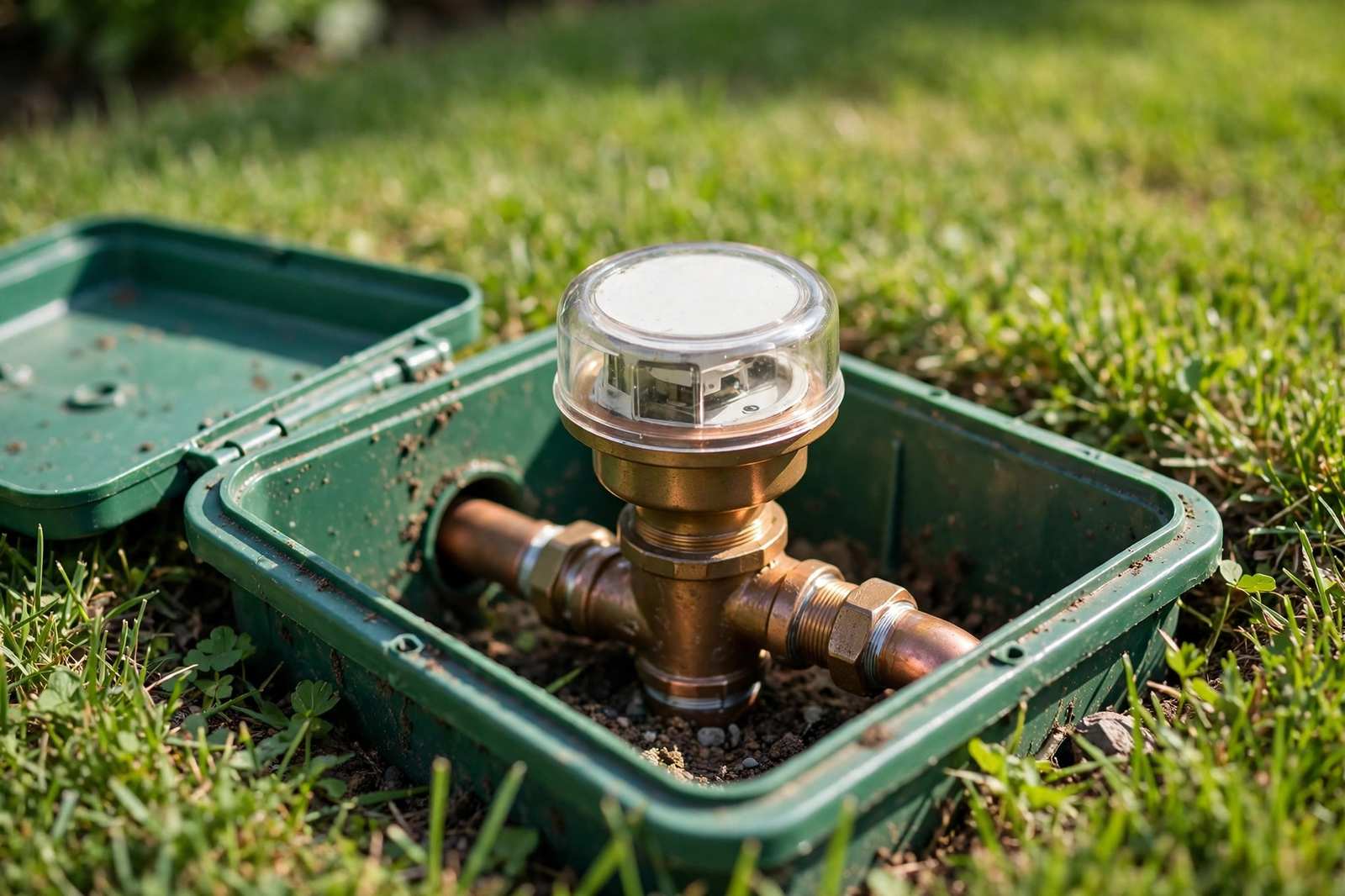
Your Water Bill Spiked: Is It a Leak or Just Higher Rates?
A higher total does not always mean a leak. Compare usage with last year, do a simple meter check, and learn which culprits waste water silently and which are just rates.
Read article →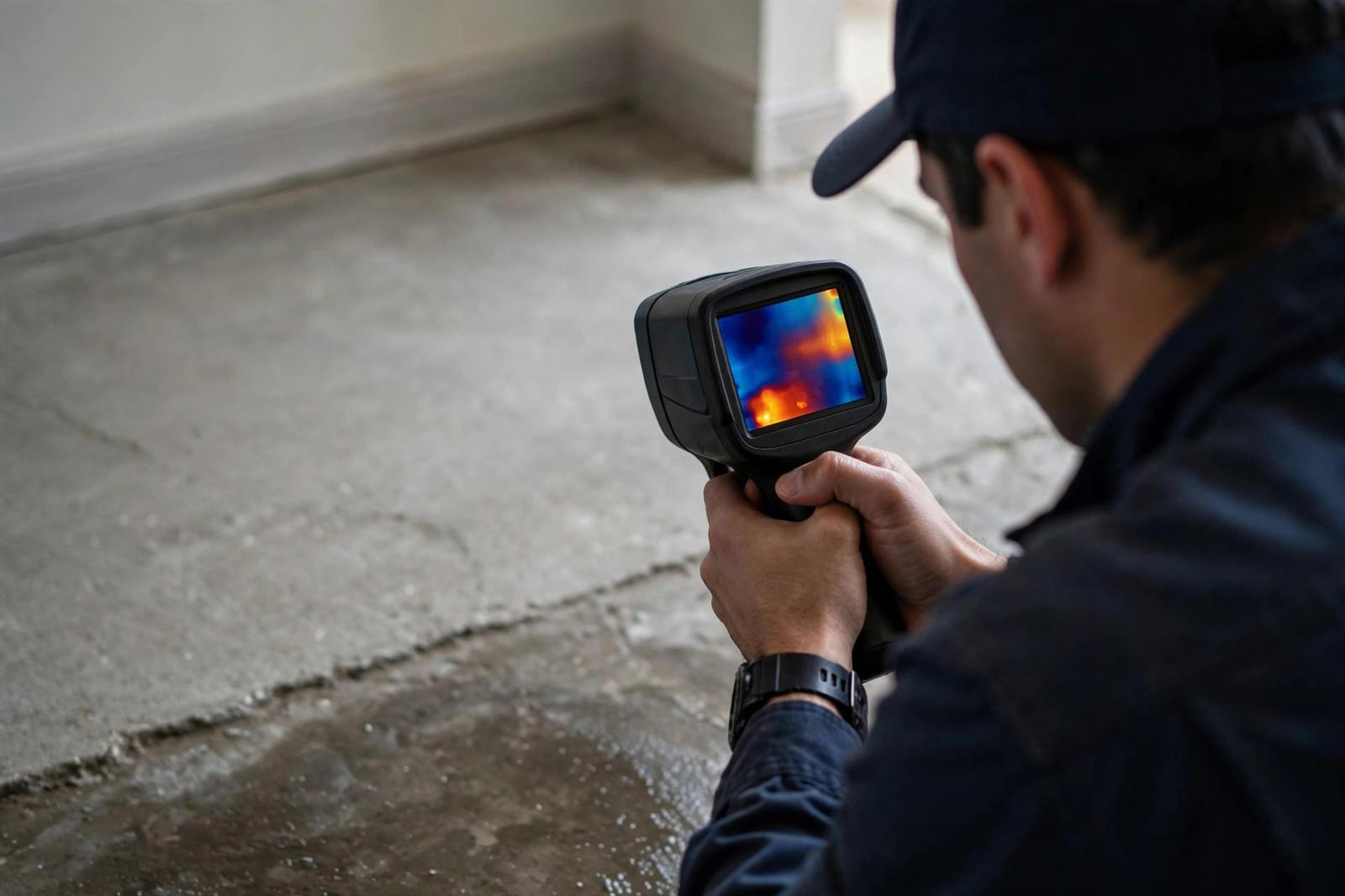
Why Slab Leaks Are So Common in Southern California
Clay soils, hard water, aging copper, and slab construction combine across Southern California. Here is why slab leaks cluster there and how they are found.
Read article →