 Leak Detection California
If you suspect a hidden leak in a Fresno home, the smart first move is to separate a real leak from heavy summer use, then check the meter, the yard, and the rooms where leaks hide. Fresno homes face a particular combination: long, hot summers that push irrigation and cooling use upward, older homes with ageing supply lines, and newer subdivisions with long pipe runs and extensive yard plumbing. That combination makes it easy to blame a high bill on the weather and miss a leak that runs quietly underneath it. This guide walks through how Fresno homes hide leaks, which seasonal signs matter, and how a detection visit narrows the search without tearing the house apart.
How Fresno Homes and Yards Hide Leaks
Fresno housing spans several eras, and each era hides leaks differently. Older homes in established neighbourhoods often carry original supply and drain lines that have lived through decades of pressure changes, ground movement, and repairs. A pinhole in an older line can mist behind a wall for weeks, leaving only a faint stain or a musty smell. Newer homes tend to have more fixtures, laundry rooms set away from the main plumbing, and longer runs to bathrooms at the far end of the house. A fitting that was never quite seated can weep at a joint and soak insulation before anyone notices a mark.
Yards add a second hiding place. Fresno lots are often generous, with long service lines from the meter to the house and irrigation systems that cover lawns, trees, and garden beds. A break in a yard line drains straight into soil, so the only clues may be soft ground, a strip of planting that grows faster along a line, or a sprinkler head that runs weakly while the rest of its zone performs normally. Because yard water is expected in summer, these signs are easy to dismiss as overwatering. The difference is persistence: overwatering dries out when watering stops, while a leak keeps ground soft through dry days.
Ground movement matters here too. Central Valley soils shift with wet and dry seasons, and that movement stresses buried lines and slab pipes at joints and bends. A line that coped well for years can develop a weakness after a season of movement. The early signs are subtle: a patch of ground that stays soft, a walkway joint that stays damp, a slight pressure drop at one fixture, or a floor that feels warm in one spot. Noting small changes early, with dates and photos, is what keeps a small leak from becoming a large repair.
Summer Heat, Irrigation and High Use
Summer is the season when Fresno leak signs get confused with normal use. Irrigation runs longer, pools lose more water to evaporation, showers and laundry increase, and bills rise. That is expected. What is not expected is a bill that stays high when watering is cut back, or a yard that stays wet in one area while the rest dries out. Separating leak from use starts with a simple comparison: look at usage, not just the total, and compare with the same period in a previous year. If usage climbs while habits and watering stay steady, a leak moves up the list.
Irrigation deserves a zone by zone check. Walk each zone while it runs and look for pooling far from any head, heads that mist or barely lift, and water running across paths or driveways. Then switch irrigation off for a period and watch the yard. If soft patches persist with irrigation off, the problem is probably not irrigation at all, and a buried service line or main becomes more likely. Our guide to irrigation leaks explains that zone by zone approach in detail, and it pairs well with a meter check, because the meter tells you whether water is still leaving the system when everything is off.
Summer heat also stresses indoor plumbing in quiet ways. Water heaters work harder, washing machines run more often, and supply lines expand and contract with temperature swings. Check washer hoses and connections during summer, look at the water heater base for damp, and listen for toilets that refill between flushes. A toilet that runs on its own can waste a surprising volume over a month, yet it is one of the easiest leaks to confirm: listen, watch the water level, and check the seal. Small indoor checks like these, done once a season, catch many leaks before they show up as damage.
Slab, Wall and Bathroom Clues
Many Fresno homes sit on concrete slabs, so slab signs deserve attention. A warm spot on the floor that does not match the rest of the room can point to a hot water line leaking below the slab. Flooring that buckles or feels spongy in one area, or damp at the base of a ground floor wall, can mean moisture is pushing up from beneath rather than spilling from above. Sound matters too: a faint hiss or running water sound when every tap and appliance is off suggests water is still moving somewhere in the system. A slab leak detection visit uses listening equipment and thermal imaging to narrow the search to a small area, which decides whether a repair needs one focused opening or a larger job.
Wall and ceiling leaks follow a different pattern. A supply line inside a wall can mist for a long time before water breaks through paint. Early signs include paint that bubbles or peels in one spot, trim that warps away from the wall, or a musty smell near a bathroom or kitchen wall. A stain on a ceiling below a bathroom usually means water travelled downward, but the source may be a shower fitting, a toilet seal, or a supply line above. Watching when a stain darkens helps: growth after showers points toward a drain or shower fitting, while steady growth regardless of use points toward a pressurised supply line that needs faster attention.
Bathrooms deserve a routine of their own. Look under sinks for slow drips at supply connections and drain traps, check the floor around each toilet base for softness or discolouration, and inspect caulking and grout around tubs and showers. Worn seals let shower water reach the subfloor even when pipes are sound, and catching a worn seal early is a small job. Leaving it can mean a stained ceiling below and a much larger repair. If you are unsure whether a stain is active or old, mark its edge lightly with a pencil and check it again in a few days. Growth means active water, and active water should not wait.
The Meter Check That Separates Leak From Use
The meter check is the most useful home test in Fresno, precisely because summer use muddies every other clue. It answers one clear question: is water leaving the system when nothing is in use? Turn off every tap, appliance, and irrigation zone, note the meter reading, wait, then read it again. If the reading moves, water is going somewhere it should not. The test shows movement, not location, so it is a starting point for detection rather than a diagnosis. Our guide on how to check your water meter for a leak explains the steps, and a water meter leak detection visit follows up by isolating house sections from yard sections to narrow the area.
Run the test in stages when the first result is unclear. First, test with everything off, including irrigation. If the meter moves, switch off the house supply at the main valve and test again. If movement stops with the house isolated, the leak is probably inside. If movement continues, the leak is probably in the yard or service line between the meter and the house. That single distinction saves a great deal of searching, because it tells the technician whether to start inside with listening equipment or outside with line tracing. Keep a note of each reading with the time, so the pattern is clear when you call.
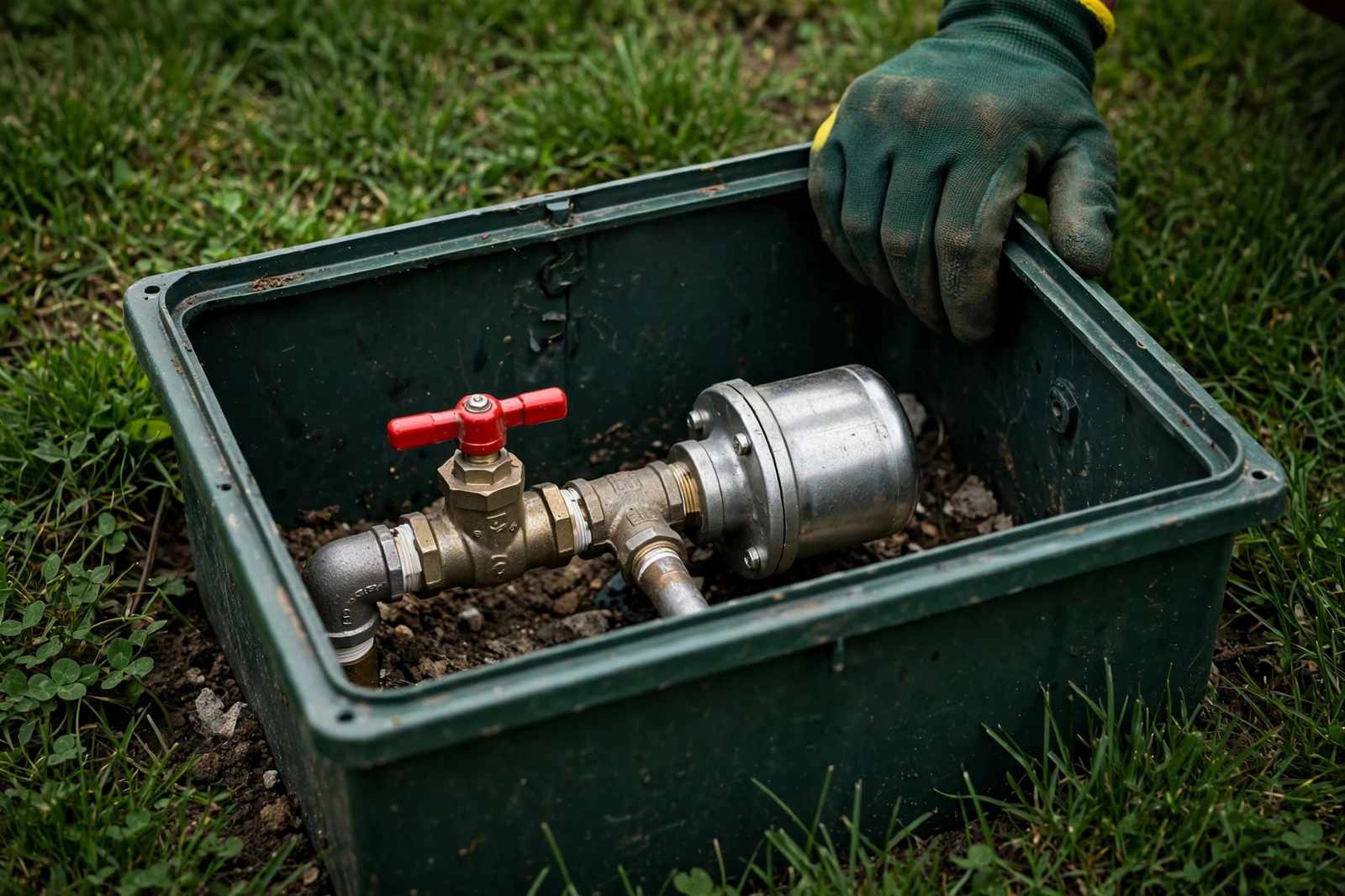
A meter box check belongs in the same routine. Lift the lid carefully, look for standing water in the box, and check the connections for damp or mineral build up. A yard meter box leak detection visit looks at the meter assembly and the lines on either side of it, which is useful when the box itself stays wet or when a test shows movement that does not match any indoor sign. Do not force a stuck lid or reach into a box that contains insects or debris. Note what you see, close the lid, and pass the observation to the technician.
| Season or situation | What to watch | Check that helps most |
|---|---|---|
| Hot summer, heavy irrigation | Bill stays high after watering is cut back | Meter test with irrigation off |
| After a dry spell | Ground stays soft in one patch | Yard walk, then house versus yard isolation |
| Cooler months, lower use | Warm floor patch or damp wall base | Thermal scan and listening check |
| After guests or extra laundry | Use falls back but bill does not | Usage comparison with the same period last year |
| Any time, no clear change | Toilet refills, musty smell, new stain | Room by room walk and fixture checks |
The table is a guide, not a diagnosis. Its value is in showing which check fits which situation, so you spend effort on the test most likely to answer your question. When in doubt, start with the meter test, because it applies in every season and every situation.
When to Book a Detection Visit in Fresno
A professional detection visit starts with questions: when you first noticed the sign, whether it changes with use, what the meter showed, and where the main shutoff sits. The technician then tests sections of the system in order, using listening equipment, moisture meters, and thermal imaging to compare readings across rooms, floors, and yard lines. For underground pipe leak detection, acoustic listening and line tracing narrow the search before any digging, so a yard repair can stay focused. The aim is a precise location and a clear explanation of what likely caused the leak and what repair options fit, so you can plan one targeted repair with confidence.
Before the visit, gather anything that helps: photos of stains or yard patches, meter readings with dates, and notes about sounds, pressure changes, or rooms that smell musty. Know where your main shutoff is, and tell the technician if you have already turned water off. If water is actively flowing, if a ceiling is sagging, or if water sits near electrical outlets, treat it as urgent and follow the steps in our water leak emergency guide while you call. For quieter signs, book promptly rather than waiting for the next bill, because slow leaks cause their damage quietly, over weeks.
- A sign that keeps returning after cleaning or drying.
- Two signs in the same area, such as damp plus a musty smell.
- A meter that moves with every tap, appliance, and irrigation zone off.
- A yard patch that stays soft through dry weather.
- A floor, wall, or ceiling change that grows over days.
Any one of these is a good reason to act, and two together are a strong reason. Fresno homeowners do not need to become leak experts. They need a seasonal routine: a room by room walk a few times a year, a yard walk after watering changes, and a meter check whenever anything looks odd. If you are seeing these signs in a Fresno home, call Leak Detection California at (833) 382-2711. We will talk through what you have noticed, help you run the first checks, and arrange a detection visit for your Fresno leak detection needs, so a hidden leak is found while the repair is still a small one.
Frequently Asked Questions
How do I tell a leak from heavy summer use in Fresno?
Compare usage with the same period last year, then run a meter test with irrigation off. If usage stays high after watering is cut back, or the meter moves with everything off, a leak is more likely than seasonal use.What are early signs of a slab leak in a Fresno home?
Look for a warm patch on a ground floor, flooring that buckles or feels spongy in one area, damp at a wall base, and a faint hiss or running water sound when fixtures are off. A meter test that shows movement supports the suspicion.How do I check irrigation versus a service line leak?
Run each irrigation zone separately and look for pooling or weak heads. Then switch irrigation off and watch the yard. If soft ground persists with irrigation off, a buried service line or main is more likely than an irrigation fault.When should I call for leak detection in Fresno?
Call promptly when a sign keeps returning, when a meter test shows movement with everything off, when a yard patch stays soft through dry weather, or when water is active near electrical outlets. You can reach Leak Detection California at (833) 382-2711 to arrange a visit.More From the Blog

Water Leak Emergency: What to Do in the First 60 Minutes
Shut off the main valve, make the area safe, protect your belongings, and document damage. A clear first-hour plan for a California water leak emergency.
Read article →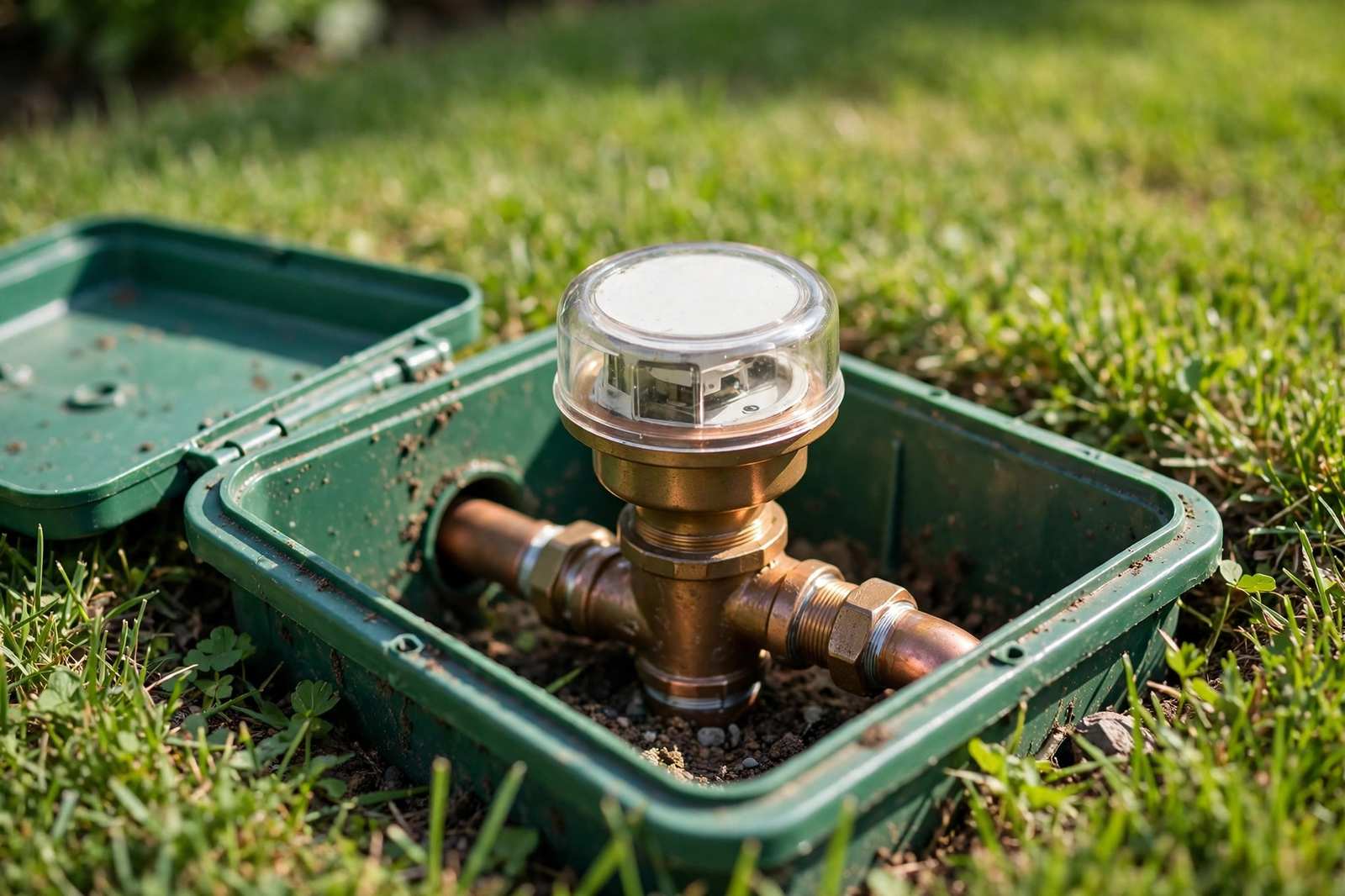
Your Water Bill Spiked: Is It a Leak or Just Higher Rates?
A higher total does not always mean a leak. Compare usage with last year, do a simple meter check, and learn which culprits waste water silently and which are just rates.
Read article →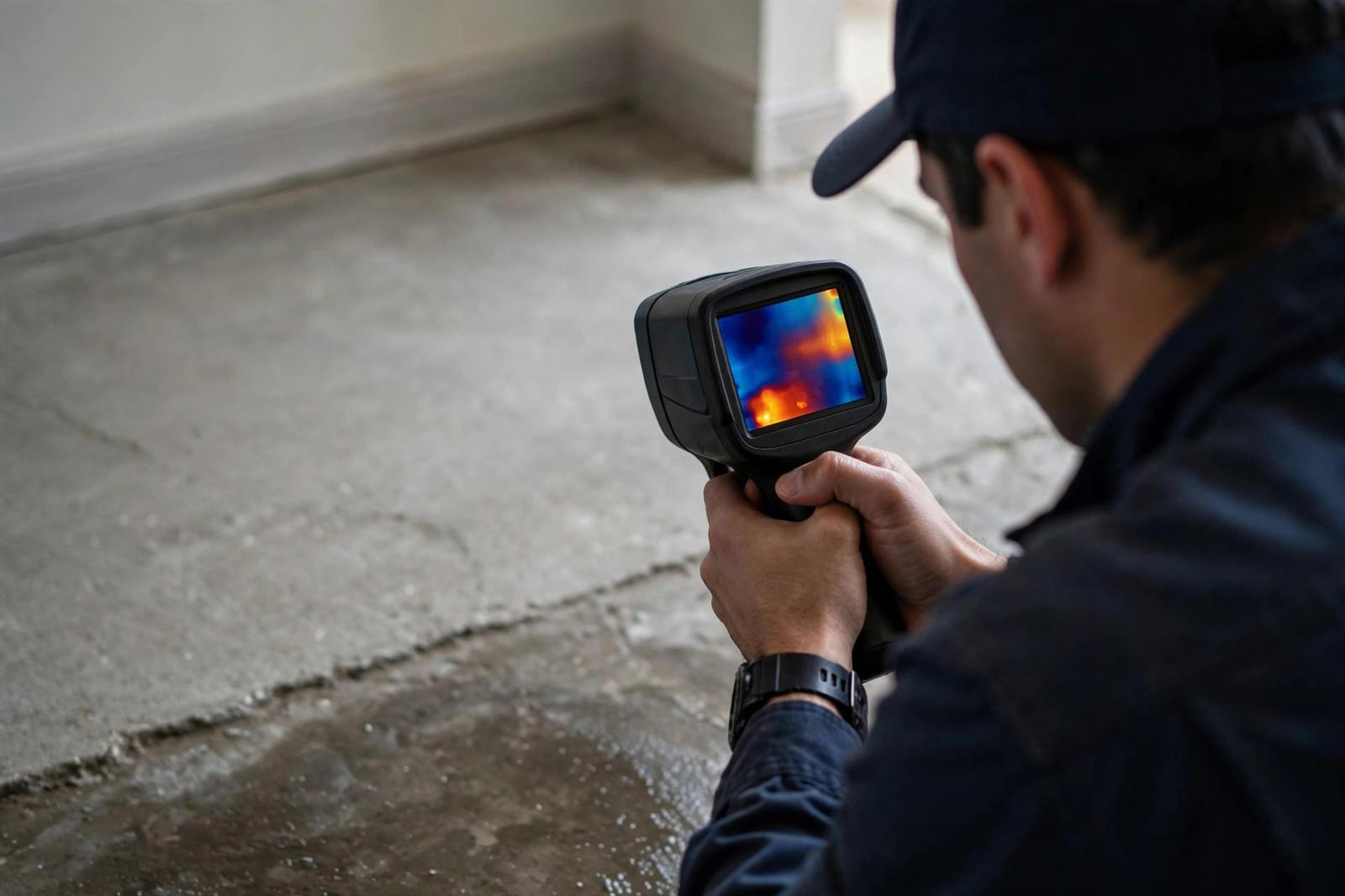
Why Slab Leaks Are So Common in Southern California
Clay soils, hard water, aging copper, and slab construction combine across Southern California. Here is why slab leaks cluster there and how they are found.
Read article →