 Leak Detection California
If you suspect a hidden leak in a Sacramento home, the smart first move is simple: check the water meter, look for the quiet signs inside and outside, and call a leak detection specialist before damp turns into damage. Sacramento homes span several eras of building, from older houses with aging supply lines to newer homes with long irrigation runs, and each style hides leaks in different places. A leak does not always announce itself with a puddle. It can sit behind a wall, under a slab, or along a yard line, moving slowly while the water bill creeps up and a small stain appears. This guide walks through what to watch for in Sacramento homes, how seasonal changes shift the risk, and how a professional visit narrows the search without tearing the house apart.
How Sacramento Homes Hide Leaks
Sacramento housing covers a wide mix, and that mix matters for leak detection. Older homes often carry original supply and drain lines that have lived through decades of pressure changes, soil movement, and repairs, while newer homes tend to have more fixtures, longer runs to bathrooms and laundry rooms, and extensive yard plumbing. Neither style is immune. In an older home, a pinhole in a supply line can mist behind a wall for weeks. In a newer home, a fitting that was never quite seated can weep at a joint and soak insulation before anyone notices. Knowing the age and layout of your home helps a technician decide where to start, and it helps you know which rooms deserve a closer look.
Pipe location shapes the signs you will see. Supply lines tucked into walls and ceilings leave stains, bubbling paint, or a faint musty smell long before water reaches the floor. Lines under a slab behave differently: warmth underfoot in one spot, a floor that feels slightly raised, or damp at the base of a wall can point downward rather than sideways. Yard lines and irrigation laterals sit in soil, so their signs show up outside as soft ground, greener patches, or water pooling far from any sprinkler head. A good first step is to walk the home room by room, noting anything that changed recently, even if it seems small. Small changes, tracked early, often tell the story before damage spreads.
When you notice one of these signs, it helps to know which kind of detection fits the problem. A general water leak detection visit covers supply and fixture leaks inside the home, while underground pipe leak detection focuses on lines buried under soil or concrete. If the trouble looks tied to sprinklers or yard valves, that points toward irrigation work instead. You can read more about the warning signs in our guide to signs of a hidden water leak, and Sacramento homeowners can start from our Sacramento leak detection page for local service details. Matching the sign to the right approach saves time and keeps the search focused.
Seasonal Watch Points Through the Year
Sacramento weather moves through hot, dry stretches and cooler, wet periods, and each shift changes how leaks behave. During hot months, irrigation runs more often and for longer, which puts yard lines, valves, and sprinkler heads under steady use. A small crack in a lateral can stay hidden while the system runs daily, then show up as a soggy strip or a patch of grass that grows faster than the rest. Indoors, summer use also means more showers, laundry, and outdoor taps in service, so a weak joint gets more chances to weep. Pay attention after any change in watering schedule, since a new pattern can expose a weak point that sat quiet before.
Cooler months bring a different set of clues. Rain can mask an outdoor leak, because wet ground looks normal after a storm, so watch for spots that stay wet long after the rest of the yard dries. Inside, closed windows and less ventilation can make a musty smell easier to notice, especially in bathrooms, laundry rooms, and under sinks. Temperature swings can also stress older joints and valves, so a drip that appears in winter deserves the same prompt attention as one found in summer. The habit that ties the seasons together is a quick monthly walkthrough: look, listen, and note anything new, then compare it with the last time you checked.
- Check under sinks and around toilets for damp, staining, or a musty smell.
- Walk the yard after watering and note soft spots, pooling, or uneven growth.
- Glance at ceilings below bathrooms and laundry rooms for new marks.
- Listen at night, when the house is quiet, for hissing or running water.
- Compare each water bill with the last few months and flag sudden jumps.
Keep the walkthrough simple enough to repeat. A short note on your phone, with the date and the room or zone, builds a record you can compare month to month. Over time, that record shows whether a damp spot is new, growing, or stable, and it gives a technician useful context on arrival. Consistency matters more than speed here: the same quick check, done regularly, catches changes that a single hurried look can miss.
Common Signs of a Hidden Leak
Hidden leaks rarely start with a flood. They start with small, easy to miss changes that add up. A stain on a ceiling, a warped baseboard, or paint that bubbles in one corner can all trace back to water moving where it should not. A toilet that runs on its own, a faucet that drips after a repair, or a water heater area that stays damp may each point to a separate issue, or to one leak feeding several symptoms. The key is to treat a new sign as information, not as a reason to wait. Note when you first saw it, whether it grows after water use, and whether it changes with the weather. That record helps a technician narrow the search on arrival.
Some signs point more clearly than others, and the table below pairs common places to check with what to watch for. Use it during your walkthrough, then follow up on anything that does not fit the pattern of normal use. A single sign may have a harmless explanation, but two signs in the same area, or one sign that keeps returning, deserve a closer look with proper detection equipment rather than guesswork.
| Place to check | Sign to watch for |
|---|---|
| Under sinks | Damp cabinet floor, staining, or a musty smell |
| Around toilets | Water at the base, a rocking fixture, or constant running |
| Ceilings and walls | Stains, bubbling paint, or warped trim |
| Floors | Warm spots, raised boards, or damp edges |
| Yard and irrigation | Soft ground, pooling, or uneven plant growth |
| Water meter area | Movement when no water is in use |
Irrigation and Yard Lines Deserve Their Own Check
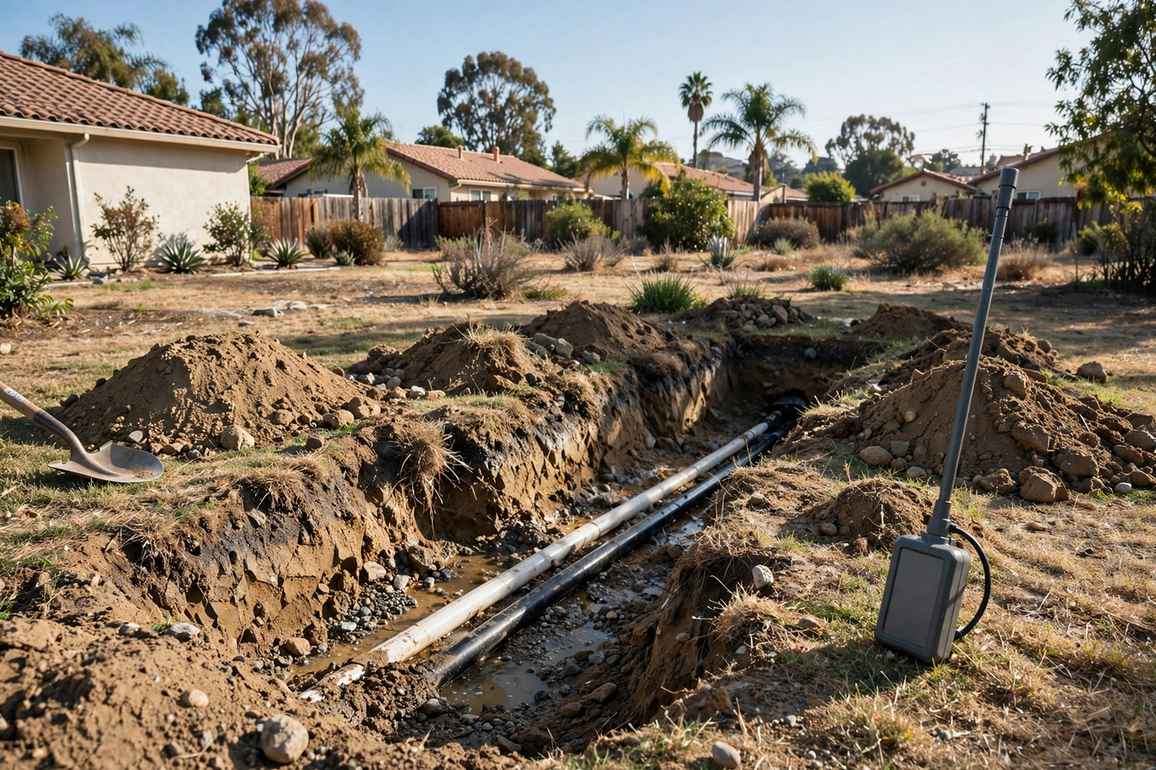
Yard leaks are easy to overlook because the water goes straight into soil. Sprinkler laterals, drip lines, valves, and the main yard supply all sit outside, and a break there can waste water for weeks while the surface looks only slightly greener or softer. Watch for a zone that stays wet after the system shuts off, a head that sprays weakly while others run strong, or a valve box that holds standing water. Tree roots, soil shifting, and ordinary wear can all stress buried lines over time, so a yard that behaved well for years can still develop a leak. A seasonal check of each zone, one at a time, often reveals the weak zone before the whole yard shows it.
If a yard problem seems likely, start by isolating zones rather than digging at random. Run one zone, watch where water appears, then run the next and compare. Note which heads lose pressure and whether the wet area lines up with a valve, a lateral, or a supply run. That pattern tells a technician where to listen and test first. Our irrigation and sprinkler leak detection service covers these yard systems, and pairing that check with a meter test can show whether water is moving when everything should be off. Do not ignore a yard leak just because it sits outside.
How a Water Meter Check Helps
The water meter is one of the simplest tools a homeowner has, and it works at any hour. The basic idea is to stop all water use in the home, note the meter reading, wait, and read it again. If the reading moves while every tap, appliance, and irrigation zone is off, water is going somewhere, and a leak is a likely explanation. The test does not tell you where the leak sits, but it answers the first question that matters: is water moving when it should not be. That answer decides whether the next step is watching and waiting or calling for detection.
A meter check also helps separate a household leak from a billing question. If the meter holds steady, the issue may sit elsewhere, and a closer look at usage patterns or recent changes in the home can help. If the meter moves, you have a clear reason to move ahead with detection rather than guessing at one fixture after another. Our guide on how to check your water meter for a leak walks through the steps in order, and a related post on water bill spikes explains how to read a sudden jump alongside a meter result.
How a Visit Works and When to Act Promptly
A leak detection visit usually starts with a conversation, not with cutting into walls. The technician asks what you noticed, when it started, and what changed in the home or yard around that time. Then comes a walkthrough of the signs you found, a meter check if one has not been done, and listening and testing in the areas that fit the pattern. Acoustic listening, pressure checks, and other noninvasive methods help narrow the location before any opening is made. The goal is a focused repair area, not a broad search, so the plumber or repair team that follows can work on the right spot.
Act promptly when a sign keeps returning, when water use rises without a clear reason, or when damp, odor, or floor changes appear together. Waiting rarely helps a hidden leak, because water keeps moving while the search is delayed, and early detection usually means a smaller repair area. On the other hand, a single faint mark with a steady meter may simply need watching for a short period, with a second check to confirm it is stable. Use judgment, keep notes, and do not let uncertainty turn into delay when two or more signs point the same way.
Before the visit, gather a few details that save time on site. Note the meter result, the rooms where signs appeared, any recent plumbing work, and changes to irrigation timing. Clear access to sinks, water heater areas, and valve boxes helps the technician test without delay, and photos of stains or wet spots, taken a few days apart, can show whether a sign is growing. Small preparation like this keeps the visit focused and gives the technician a clearer starting point.
If you have spotted one of these signs in a Sacramento home, or your meter check shows movement with everything off, call Leak Detection California at (833) 382-2711. A trained technician can help narrow the source and plan the next step, so you can act with clear information instead of guesswork.
Frequently Asked Questions
What are early signs of a hidden leak in a Sacramento home?
Look for stains on ceilings or walls, bubbling paint, warped trim, damp under sinks, a toilet that runs on its own, warm spots on floors, and yard areas that stay wet after watering. One sign alone may have a simple explanation, but two signs in the same area deserve a closer look.How do I check my water meter for a leak?
Turn off every tap, appliance, and irrigation zone, note the meter reading, wait, then read it again. If the reading moves while nothing is in use, water is going somewhere and a leak is a likely explanation. The test shows movement, not location, so it is a starting point for detection.Why do irrigation leaks go unnoticed?
Yard water goes straight into soil, so a break in a lateral, drip line, or valve can run for weeks with only soft ground, uneven growth, or a weak sprinkler head as clues. Checking one zone at a time helps isolate the weak zone before the whole yard shows the problem.When should I call for leak detection in Sacramento?
Call promptly when a sign keeps returning, when water use rises without a clear reason, or when damp, odor, or floor changes appear together. You can reach Leak Detection California at (833) 382-2711 to arrange a visit and narrow the source.More From the Blog

Water Leak Emergency: What to Do in the First 60 Minutes
Shut off the main valve, make the area safe, protect your belongings, and document damage. A clear first-hour plan for a California water leak emergency.
Read article →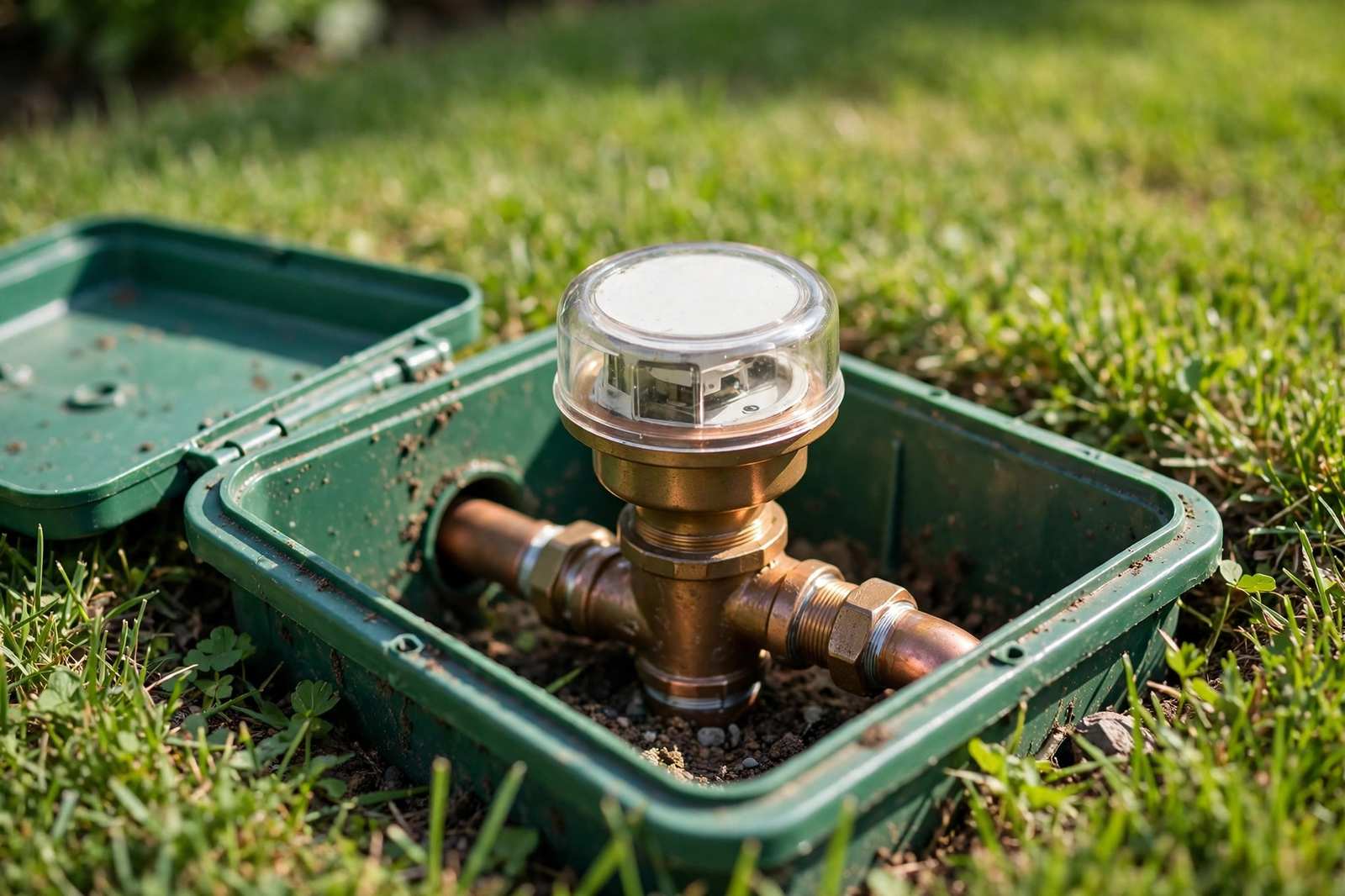
Your Water Bill Spiked: Is It a Leak or Just Higher Rates?
A higher total does not always mean a leak. Compare usage with last year, do a simple meter check, and learn which culprits waste water silently and which are just rates.
Read article →
Why Slab Leaks Are So Common in Southern California
Clay soils, hard water, aging copper, and slab construction combine across Southern California. Here is why slab leaks cluster there and how they are found.
Read article →