 Leak Detection California
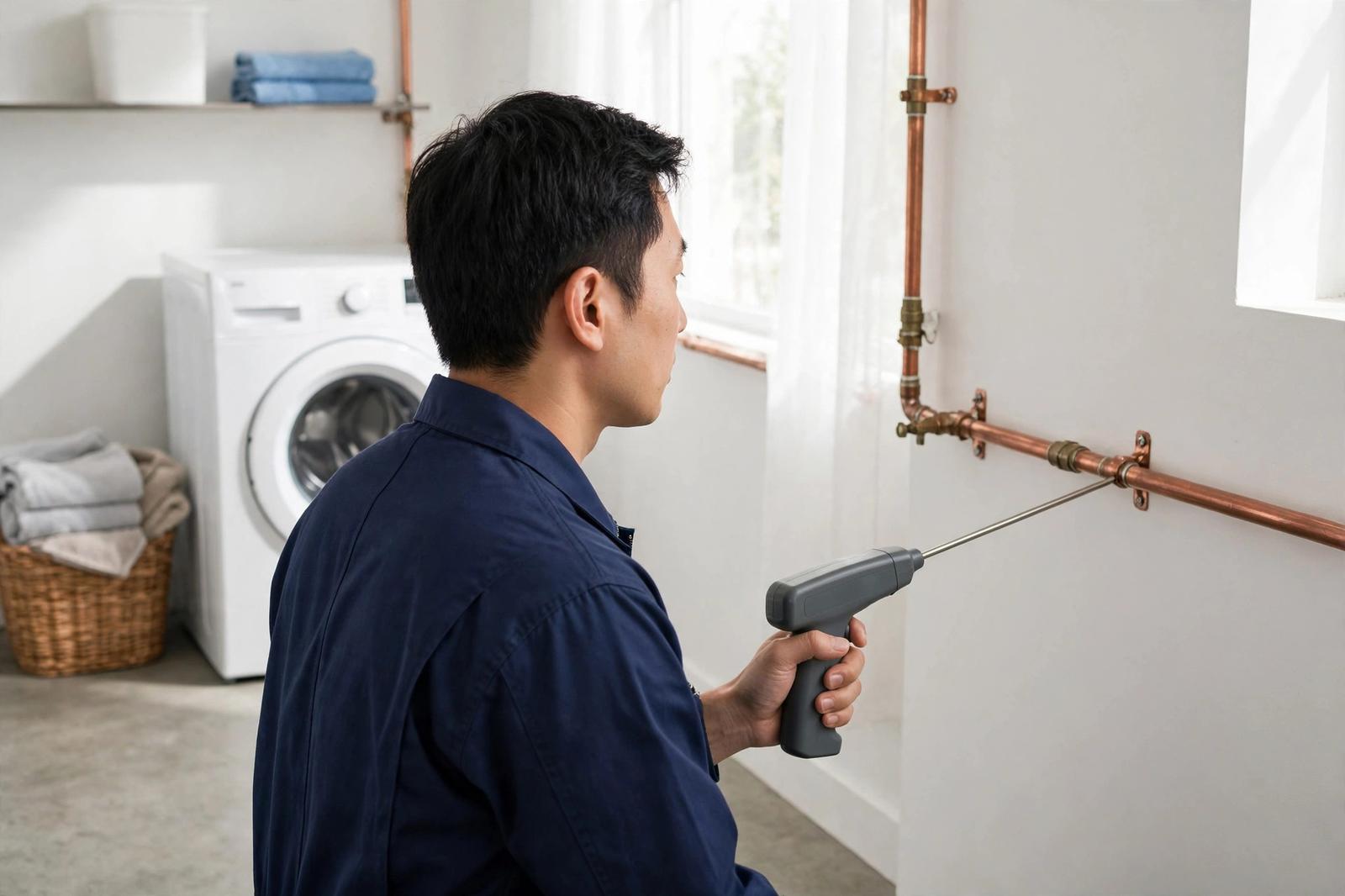
A hidden leak raises two questions at once: where is the water coming from, and what will your insurer want to know about it? A professional leak detection visit answers the first question. It also creates a record that can make the second question much easier to handle. This guide explains, in general terms, how detection reports fit into an insurance claim, what to document along the way, and which questions are worth asking your insurer early. It is educational only. Coverage depends on the individual policy and the insurer, and no article can tell you whether a particular loss is covered. What you can control is the quality of the record you build, and that record starts the moment you notice something wrong.
What a Leak Detection Report Actually Contains
When a technician tracks down a hidden leak, the visit produces more than a location. A typical report describes where the leak was found, how it was found, and what evidence supports that conclusion. That may include acoustic listening results, pressure test readings, thermal imaging notes, or tracer gas findings, depending on the situation and the equipment used. The report should also note the areas checked and ruled out, because a negative result in one area helps narrow the search and shows the work was thorough.
Good reports also include photographs of visible signs, such as damp drywall, warped flooring, or staining, along with meter readings taken during the visit. Meter readings matter because they show whether water is moving through the system when every tap and appliance is off. If you are still learning how the process works, how leak detection works walks through the methods technicians use and what each one can reveal. A water leak detection visit is usually the right starting point when the source is not obvious, and the written report from that visit becomes a central document if a claim follows.
Ask the technician to put findings in writing before leaving, and keep both the report and any photos they share. Verbal explanations fade from memory, and adjusters work from documents. A short written summary with dates, readings, and locations gives everyone the same facts to work from, which reduces back-and-forth later.
If any part of the report is unclear, ask the technician to explain it before they leave. A good report names the leak location precisely, for example a hot water line beneath a hallway floor rather than a vague reference to a general area. It also states which methods produced the finding and whether any areas remain untested. That level of detail matters later, because a repair crew works from the same document and an adjuster reads it without the technician in the room. Keep the report with your claim folder from day one, not in a drawer you revisit only when asked.
Sudden Damage and Long-Term Damage: Why the Distinction Matters
Insurance policies commonly draw a distinction between sudden, accidental water damage and damage that develops gradually over a long period. A pipe that bursts overnight and soaks a room is a different kind of event from a slow seepage that stains a wall over many months. Insurers often treat these categories differently, and the wording of the individual policy governs how each is handled. This article does not interpret any policy. It only explains why the distinction exists, so you can see why timing evidence matters.
The practical point is simple: the sooner a leak is found and documented, the clearer the timeline becomes. A detection report dated the week you noticed a damp spot tells a different story from a report written after months of visible damage went unaddressed. Neither story decides any outcome, since coverage depends on the individual policy and the insurer, but a dated, specific record lets the claim be evaluated on facts rather than on reconstruction from memory.
That is also why prompt action matters even before you know whether a claim is involved. Water keeps moving. A small, contained problem can spread into flooring, framing, and finishes while you wait for answers. If the situation is active, with water spreading or a ceiling sagging, emergency leak detection can locate the source quickly so mitigation and repair can begin. Our guide to water leak emergency steps covers what to do in the first hours, including shutting off water and protecting belongings.
What to Document, and When
Documentation is easiest when it happens in order, while details are fresh. Start the moment you notice a sign: a damp patch, a musty smell, a warm spot on a floor, a water bill that jumps without explanation, or the sound of running water when nothing is on. Note the date and time, take photos, and write a short description of what you saw. Phone photos carry timestamps automatically, which makes them useful evidence without extra effort.
As the process moves forward, keep gathering:
- Dated photos and short videos of every affected area, taken from more than one angle, including wide shots that show the room and close shots that show the damage itself.
- A written timeline: when you first noticed the problem, when you called for help, when the technician arrived, and when each repair step happened.
- Meter readings, including a reading taken with all water use shut off, which shows whether water is still moving through the system.
- Recent water bills, which can show when usage changed and support the timeline of when the leak began.
- The detection report itself, plus any photos or readings the technician provides.
- Notes from every conversation with your insurer or any contractor, including the date, the name of the person you spoke with, and what was discussed.
- Receipts and invoices for detection, mitigation, and repair work, kept in one folder even if you are unsure whether a claim will follow.
Keep originals and copies in separate places if you can, for example a paper folder plus a digital folder. Claims can take time, and a record that survives a phone upgrade or a move is worth the small effort of backing it up. If a repair opens a wall and reveals more damage than expected, photograph that too before it is covered again. Once drywall is closed, that evidence is gone.
A Simple Record to Keep
The table below gives a straightforward way to organize what you gather. You do not need anything elaborate. A single folder, physical or digital, with these items in it covers most of what an adjuster is likely to ask for.
| Document to gather | Why it helps |
|---|---|
| Dated photos and videos | Show the extent of damage and when it was visible, in a form that is hard to dispute. |
| Written timeline | Connects the first sign, the detection visit, and each repair step in order. |
| Meter readings | Provide objective evidence that water was moving when all fixtures were off. |
| Water bills | Show when usage changed, which supports the timeline of the leak. |
| Detection report | States the leak location and the methods used, from a professional source. |
| Repair notes and invoices | Record what was fixed, when, and by whom, closing the loop on the claim. |
| Correspondence log | Keeps a record of every conversation, so nothing rests on memory alone. |
One habit pays off more than any other: write things down the same day they happen. A note made in the moment, even a few lines, carries more weight than a summary written weeks later when dates blur together. If you are sorting out whether a high bill points to a leak at all, water bill spike: leak or rates explains how to read the signs before calling anyone.
Questions Worth Asking Your Insurer
Calling your insurer early is usually wise, even before you know the full extent of the damage. An early call opens the claim file, starts the clock on their process, and lets you ask questions while the facts are still being gathered. You do not need to have every answer ready. The call itself is part of building the record.
Questions worth asking include:
- What documentation do you need from me, and in what form should I submit it?
- Is there a deadline for reporting the loss or submitting documents that I should know about?
- What steps should I take now to prevent further damage while the claim is reviewed?
- Will an adjuster visit the property, and should I wait for that visit before authorizing repairs?
- How should I document additional damage discovered during repair work?
- Who is my point of contact, and what is the best way to reach them with updates?
While a claim is under review, reasonable steps to limit further damage are usually expected, and they protect your home regardless of the claim outcome. That can mean shutting off water to the affected line, moving belongings away from damp areas, and running fans or a dehumidifier if you have them. Photograph the area before and after each step, and keep receipts for anything you buy or hire for this purpose. These notes show care and attention, and they keep a small problem from growing into a larger one while paperwork moves at its own pace.
Write down the answers, with the date of the call. If instructions arrive by email or letter, keep those messages with the rest of the claim folder. When guidance is unclear, asking for it in writing is reasonable and often helpful for both sides. Keep your own tone factual and steady throughout. A claim file built on dates, photos, and reports is easier for everyone to work through than one built on frustration, even when the situation itself is stressful.
What Leak Detection Does and Does Not Do
Leak detection answers one question with precision: where is the water coming from? It does not repair pipes, dry out structures, or rebuild damaged rooms. Those are separate trades, and a detection report often serves as the handoff document that tells the plumber or restoration crew exactly where to work. Understanding that boundary helps set expectations. Detection finds the source; repair fixes it; documentation connects the two for anyone reviewing the loss later.
Detection also does not interpret your policy or determine coverage. A technician can tell you where a leak is and how it was found. Only your insurer, applying the wording of your individual policy, can say what that policy covers. Our guide on whether homeowners insurance covers leak detection explains this boundary in more detail, including the questions that shape how a claim is viewed. Treat any claim that a detection visit will lead to a particular insurance outcome with caution, because no technician can make that promise.
The strongest position a homeowner can be in is a simple one: a leak found promptly, a written report with dates and readings, photos taken along the way, and a claim file that tells the story in order. None of that requires expertise. It requires only acting early and writing things down. If you suspect a hidden leak and want it located and documented, call (833) 382-2711 and a technician can help find the source so you have a clear record to work from.
Frequently Asked Questions
Does a leak detection report mean my claim will be approved?
No. A report documents where the leak is and how it was found, but coverage depends on the individual policy and the insurer, who apply the policy wording to the facts.What should I document after finding a leak?
Dated photos, a written timeline, meter readings, water bills, the detection report, repair notes, and a log of insurer conversations. Coverage depends on the individual policy and the insurer, so a complete record helps them evaluate the claim on facts.What is the difference between sudden and long-term water damage?
In general terms, sudden damage happens in a single event, while long-term damage develops gradually. Insurers often treat these categories differently, and coverage depends on the individual policy and the insurer.Should I wait for my insurer before repairing a leak?
Ask your insurer directly, since procedures vary, and take reasonable steps to limit further damage in the meantime. Coverage depends on the individual policy and the insurer, and only they can explain their process.More From the Blog

Water Leak Emergency: What to Do in the First 60 Minutes
Shut off the main valve, make the area safe, protect your belongings, and document damage. A clear first-hour plan for a California water leak emergency.
Read article →
Your Water Bill Spiked: Is It a Leak or Just Higher Rates?
A higher total does not always mean a leak. Compare usage with last year, do a simple meter check, and learn which culprits waste water silently and which are just rates.
Read article →
Why Slab Leaks Are So Common in Southern California
Clay soils, hard water, aging copper, and slab construction combine across Southern California. Here is why slab leaks cluster there and how they are found.
Read article →