 Leak Detection California

Hidden leaks in Temecula homes most often start with hard water scale weakening pipes, small slab leaks under newer construction, or a quiet break in a pool or irrigation line. A non-invasive leak detection visit finds the source with listening equipment, pressure testing, and moisture checks, so you can repair the right spot instead of opening floors or walls at random.
Why Temecula Homes See Leaks More Often Than Owners Expect
Temecula has a mix of housing that creates a particular set of plumbing risks. Many homes in wine country and in newer developments were built quickly during growth periods, with copper or plastic supply lines run under a concrete slab. That slab-on-grade style is efficient and common across Southern California, but it means a large share of your plumbing is out of sight from the day the home is finished. When something starts to fail under that slab, there is no crawl space to inspect and no visible pipe to watch.
Hard water is the second factor, and it works slowly. Water supplied in the area carries minerals that leave scale inside pipes, water heaters, and fixtures. Scale narrows the inside of a line, changes how water moves through it, and collects at joints and bends. In copper pipe, mineral buildup and water chemistry can contribute to pinhole corrosion over time. A pinhole does not announce itself. It sprays or seeps a fine amount of water inside a wall or under a slab, often for weeks before a stain, a sound, or a bill gives it away.
The third factor is what sits outside the house. Temecula properties often have larger landscaped yards than homes in denser coastal cities, and that landscaping needs water. Long irrigation runs, multiple valves, drip lines, and sprinkler heads create many more connections that can crack, loosen, or get damaged by roots and ground movement. Add a pool or spa, with its own plumbing, pump, and return lines buried around the shell, and you have a second hidden system that can lose water without ever leaving a puddle on the surface.
None of these factors means a Temecula home will leak. Together, they explain why owners here should take early signs seriously, even in a house that still feels new. Our leak detection service in Temecula is built around exactly these local conditions, from slab construction to large outdoor systems.
Signs Temecula Homeowners Notice First
The first sign is rarely water where it should not be. More often it is a change you notice in passing, then notice again. A section of tile or wood flooring feels warm when the house is cool. A room smells faintly musty even after cleaning. The water heater seems to run more often, or you hear water moving in the walls when no tap is open and no appliance is filling.
Look and listen for these early clues:
- A water bill that rises without a clear change in how many people are home or how often you water outside.
- Warm, damp, or slightly soft spots on floors, especially in kitchens, bathrooms, hallways, and laundry rooms.
- The sound of running, hissing, or trickling water when the house is quiet and every fixture is off.
- Low water pressure in one part of the home, or pressure that changes from day to day.
- Cracks appearing in flooring, grout, or drywall near plumbing walls, or baseboards pulling away and discoloring.
- Wet soil, unusually green grass, or pooling near irrigation lines, valves, or the pool equipment pad.
- A pool that needs filling more often than evaporation alone would explain, or air bubbles in the pump basket.
Outdoor signs matter just as much. Soil can absorb a surprising amount of water before the surface shows it, so a buried leak can run for a long time while the yard looks mostly normal. Inside, trust repetition. The same sound at the same quiet hour, night after night, combined with a warm floor or a rising bill, is a pattern worth testing. Note when you notice it, because intermittent leaks often follow schedules and pressure changes.
What a Leak Detection Visit in Temecula Looks Like, Step by Step
A good detection visit follows an order, from the least invasive checks to the most focused tests. It starts with a conversation. We ask when you first noticed the problem, what has changed in the house, whether any plumbing, flooring, pool, or landscape work was done recently, and whether the issue seems constant or tied to a time of day. Those details narrow the search before any equipment comes out.
Next comes a visual and meter based check. We look at exposed fixtures, supply connections, the water heater, irrigation controls, and pool equipment for obvious faults. Checking the water meter while no water is being used helps confirm whether water is still moving somewhere in the system. If the meter shows movement with everything off, the leak is active and the job becomes locating it, not guessing whether it exists.
From there, testing separates the systems. Shutting valves in sequence can isolate the house supply from the irrigation, the pool, and individual branches. Pressure testing a section tells us whether that section holds or loses pressure. Acoustic listening equipment then helps pinpoint the sound of water escaping under a slab, behind a wall, or underground. Moisture readings and thermal checks can support what the listening equipment suggests, especially where a slab leak spreads warmth or dampness beyond the exact break.
For a suspected house supply problem, our water leak detection service follows that same isolate, test, and listen process until the location is narrow enough to mark with confidence. For pool and irrigation concerns, those systems are tested on their own terms, because a leak that only appears when a pump runs or a zone turns on will not show up in a simple house test.
The visit ends with a clear explanation. You should hear where the leak is, what evidence supports it, and what repair access would involve. If no leak is found, you should hear that just as plainly, along with what was ruled out and what to watch next.
Protecting Slabs and Flooring While the Leak Is Found
The fear that stops many owners from calling is the fear of destruction. They picture jackhammers, trenches across a living room, and flooring torn up in a search that still might miss. Modern detection exists to prevent exactly that. The work described above happens on top of the floor, at fixtures and valves, and outside at accessible equipment. Listening through a slab is not the same as breaking it.
Pinpointing matters because repair access is then limited to the smallest practical area. If a line under a slab does need to be reached, knowing the location within a tight area is very different from opening a wide path on a hunch. In some cases a plumber may discuss rerouting a line through a wall or ceiling instead of opening the slab at all. That choice depends on the layout of your home and the condition of the pipe, and it can only be considered once the leak location and the run of the line are understood.
You can help before the visit. Move furniture and rugs away from the suspect area so the floor can be listened to cleanly. Keep pets in another room, since quiet matters when listening for a faint sound under concrete. Avoid running the dishwasher, laundry, sprinklers, and pool pump during the appointment unless asked, because background water use makes isolation testing harder.
Acting early is also protection. Water under a slab can undermine soil, lift or crack flooring, and feed mold in wall bases. A small pinhole found promptly is a plumbing repair. The same leak left for months can become flooring, drywall, and cabinet work on top of it.
Pools, Irrigation, and the Leaks Outside the House
Outdoor leaks deserve their own focus in Temecula because so much water use happens outside the walls. Irrigation systems run on timers, often early in the morning when nobody is watching. A cracked lateral line, a leaking valve, or a broken sprinkler body can lose water into the soil on every cycle and still leave the plants looking fine. Our irrigation and sprinkler leak detection work checks zones, valves, and lines in sequence so the faulty section is identified instead of replacing parts one guess at a time.
Pools and spas hide leaks differently. Water can escape through a fitting, a return line, or the shell while the surface level drops in a way that looks like normal evaporation, especially during hot, windy weather. Wet ground near the equipment, a pump that struggles to stay primed, and a need to add water more and more often are stronger clues than the water level alone. Dedicated pool and spa leak detection separates plumbing leaks from shell and fitting issues, and it tests the system while it is running and while it is off, because some leaks only appear under pump pressure.
Separating indoor from outdoor systems is the key step for many Temecula properties. If the meter moves when the house is isolated but stops when irrigation is shut off, the search belongs outside. A structured visit answers those questions in order, so you are not repairing the wrong system.
When to Call for Leak Detection in Temecula
Call when a sign repeats, when two signs appear together, or when your meter suggests water is moving while the house is using none. Call sooner if you feel a warm floor spot, hear water in a quiet house, see new flooring or drywall damage, or watch a pool or irrigation area stay wet without explanation. Those are not problems that tend to resolve on their own, and waiting usually widens the damage rather than narrowing the cause.
You do not need to be certain before you call. Certainty is what the visit provides. If you are in a newer master-planned community, a wine country home with a large yard, or any Temecula property with a slab foundation and a concern you cannot explain, a focused check now is simpler than a larger repair later. Learn more about how we work locally on our Temecula leak detection page, including the systems we test and the areas we serve.
Temecula homeowners comparing options can also browse the full leak detection services list to see how slab, irrigation, pool, and meter work differ, since valley properties often need more than one of them over the years.
If you are noticing any of these signs in your Temecula home, call Leak Detection California at (833) 382-2711. We will talk through what you have seen, arrange a non-invasive detection visit, and pinpoint the leak so you can plan one targeted repair with confidence.
Frequently Asked Questions
Why are slab leaks a concern in Temecula homes?
Many Temecula homes are built slab on grade, so supply lines run under concrete with no crawl space to inspect. A leak there stays hidden while water undermines soil, warms or damages flooring, and raises your bill. Early non-invasive detection pinpoints the break, so repair access stays small instead of turning into a wide search.Does hard water really damage pipes?
Yes, over time. Mineral scale builds inside pipes, heaters, and fixtures, narrowing lines and collecting at joints and bends. In copper pipe, scale and water chemistry can contribute to pinhole corrosion. The damage is slow and hidden, which is why a tiny pinhole can seep for weeks before a stain, sound, or higher bill appears.How long does a leak detection visit take?
It depends on the size of your home and how many systems need testing. A focused house check is quicker than testing the house, pool, and irrigation together. The technician isolates sections in order, so time is spent narrowing the location properly rather than rushing to a guess that leads to unnecessary opening of floors or walls.Can you find a leak without tearing up floors?
In most cases, yes for the detection stage. Technicians use meter checks, pressure isolation, acoustic listening, and moisture readings from above the floor to pinpoint the source. If the pipe itself needs repair, access is then limited to the smallest practical area at the confirmed location, instead of tearing up flooring to search for the leak.More From the Blog

Water Leak Emergency: What to Do in the First 60 Minutes
Shut off the main valve, make the area safe, protect your belongings, and document damage. A clear first-hour plan for a California water leak emergency.
Read article →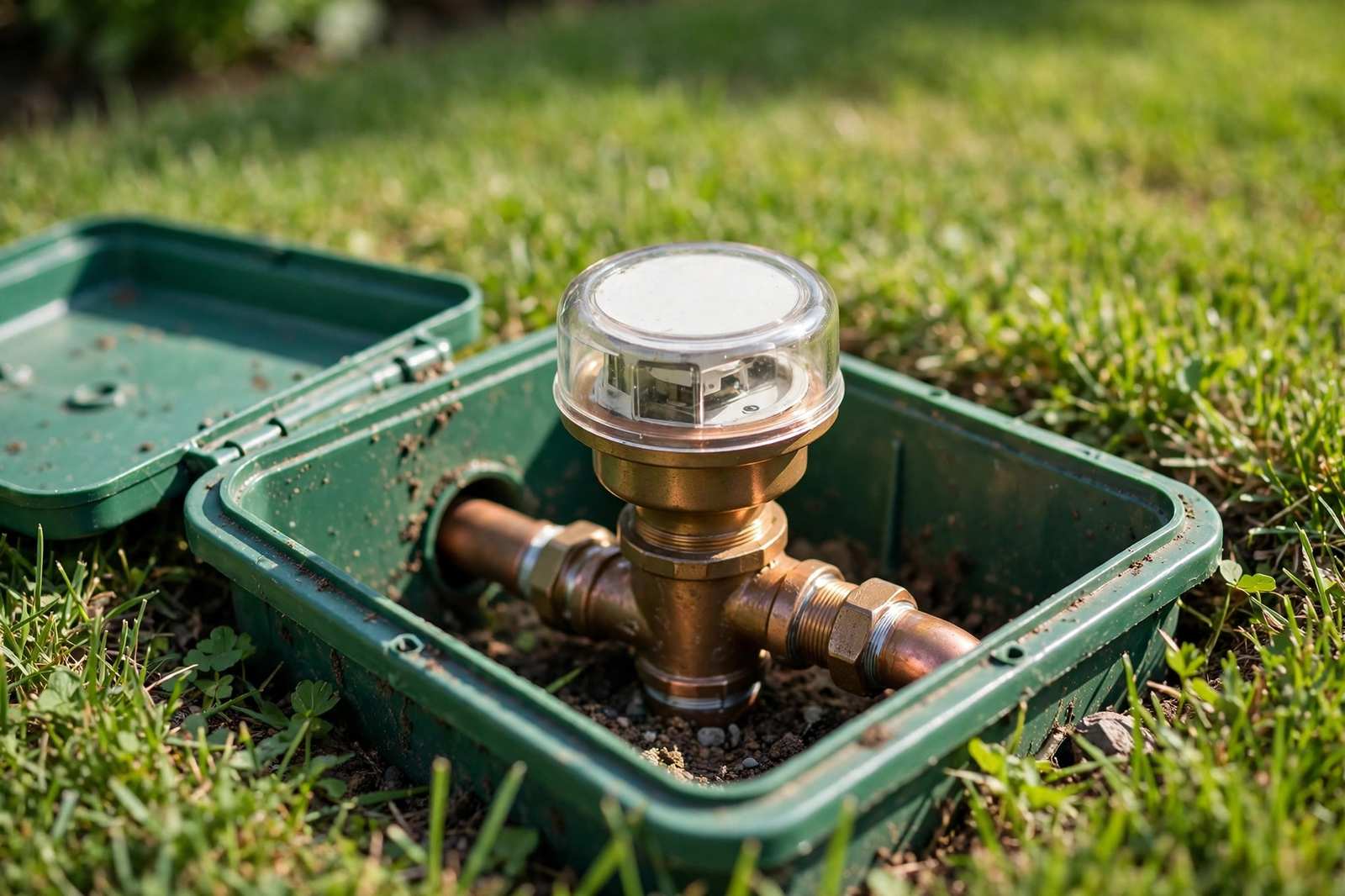
Your Water Bill Spiked: Is It a Leak or Just Higher Rates?
A higher total does not always mean a leak. Compare usage with last year, do a simple meter check, and learn which culprits waste water silently and which are just rates.
Read article →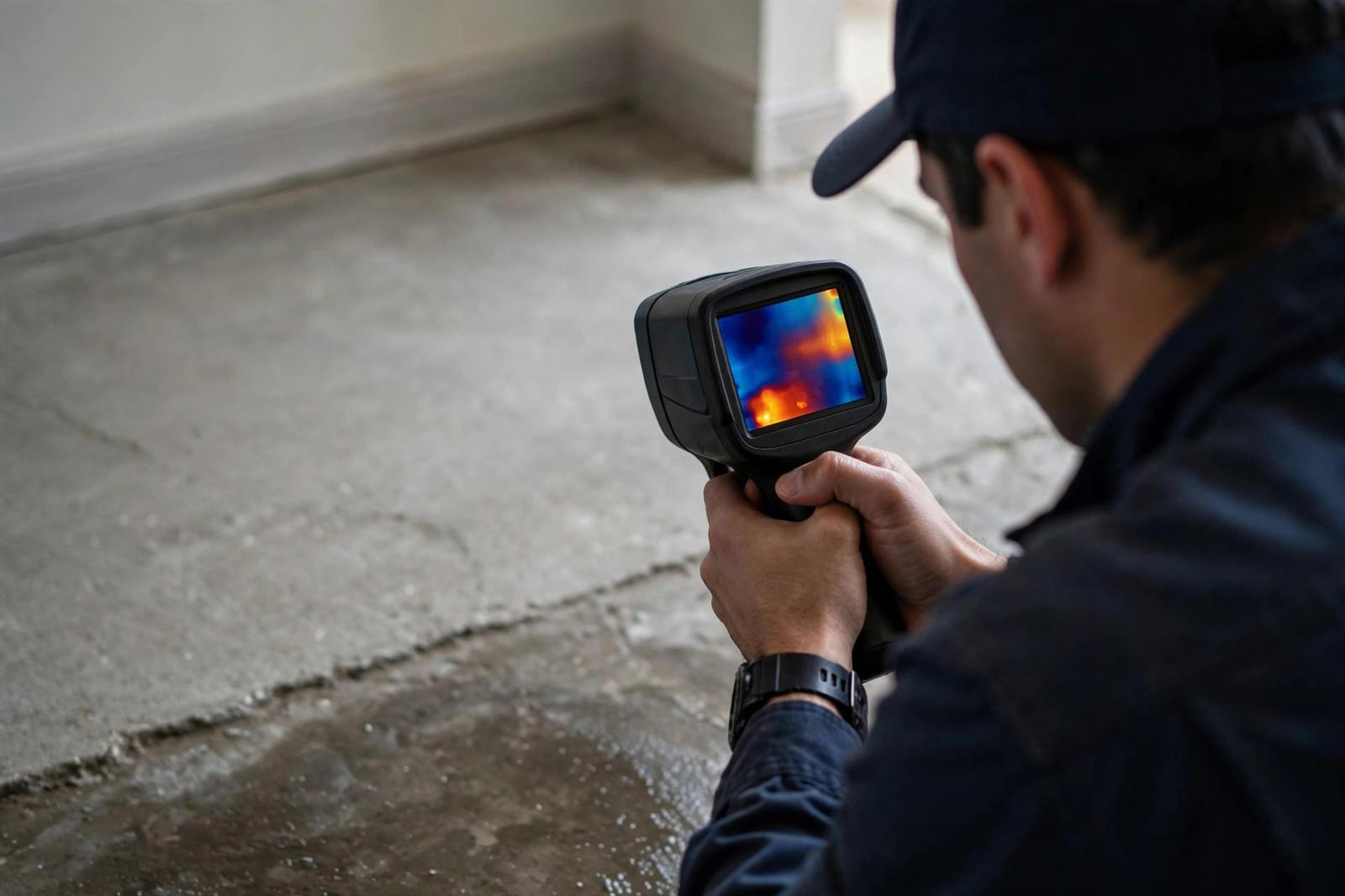
Why Slab Leaks Are So Common in Southern California
Clay soils, hard water, aging copper, and slab construction combine across Southern California. Here is why slab leaks cluster there and how they are found.
Read article →