 Leak Detection California
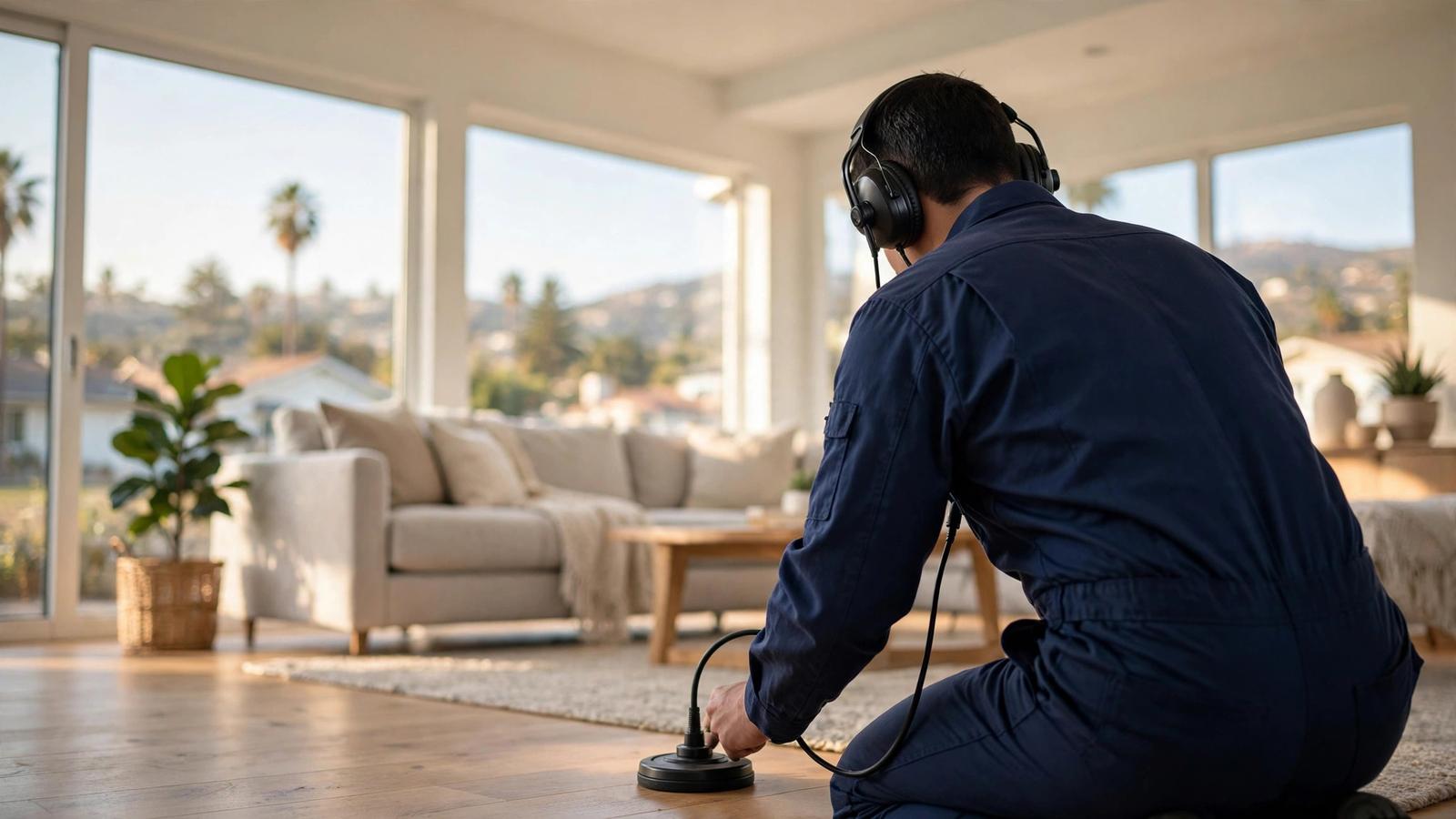
If your mailing address starts with 919, you're in our regular service rotation, and that includes Spring Valley. We run leak detection routes across the whole 919 area, so a call from Spring Valley usually lands on a day we're already nearby, which is how same-day appointments stay realistic instead of aspirational.
What happens on the visit doesn't change from town to town: meter behavior first, then line isolation, then acoustic listening and thermal imaging to narrow the search to inches. The only thing that changes is the drive. We cover all 4 ZIP codes around Spring Valley, and whether the culprit turns out to be a slab line, an irrigation lateral, or a pool return, the goal is identical, find it precisely, open up as little as possible, and hand you a clear answer.
Leak Detection Services in Spring Valley
Specialized detection for every kind of leak, see all 15 services.
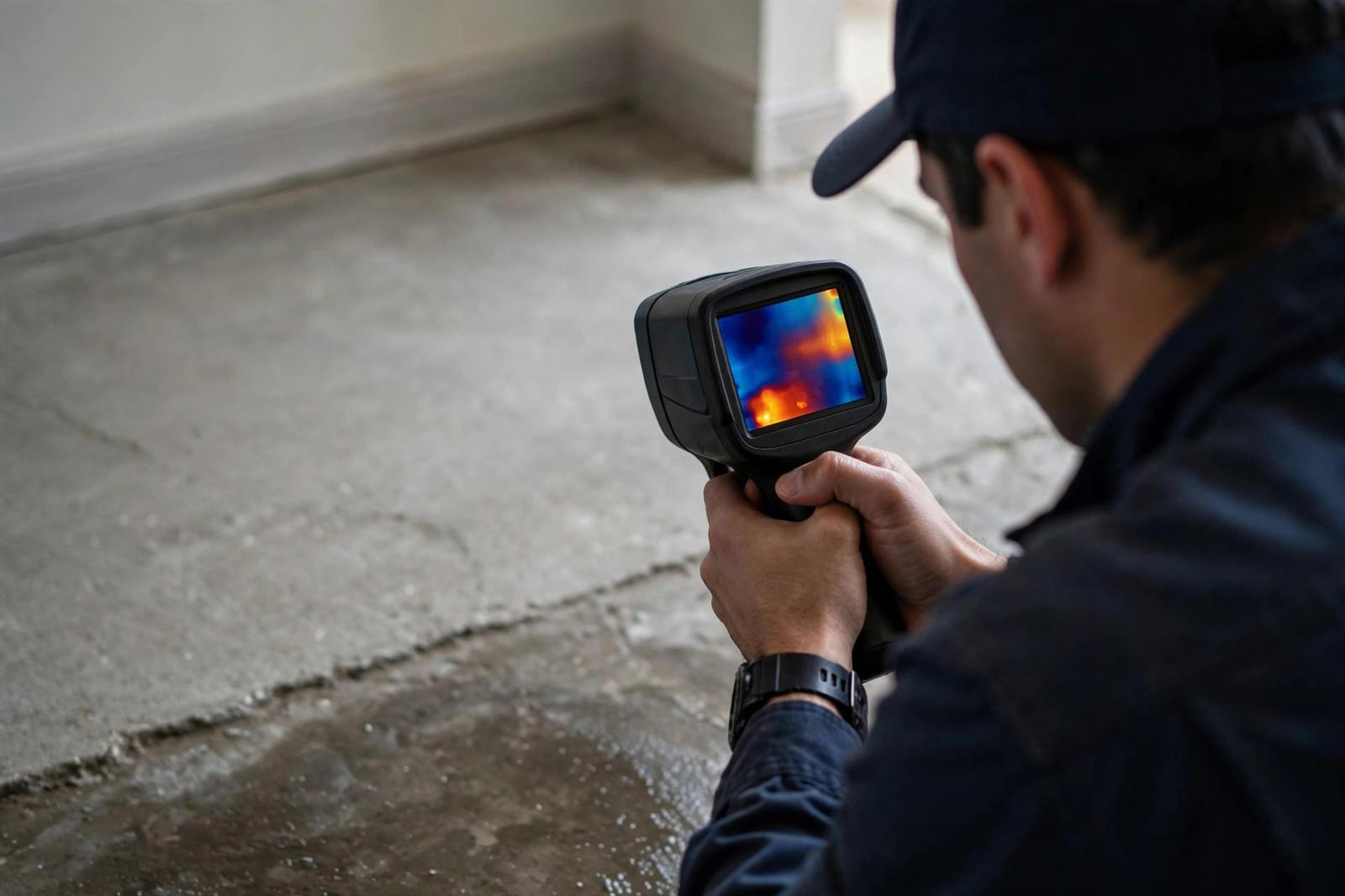
Slab Leak Detection
A slab leak is a leak in the water supply or drain lines that run beneath your home's concrete slab foundation…
Learn more →
Emergency Leak Detection
Emergency leak detection is rapid-response diagnosis when water is actively damaging your property right now:…
Learn more →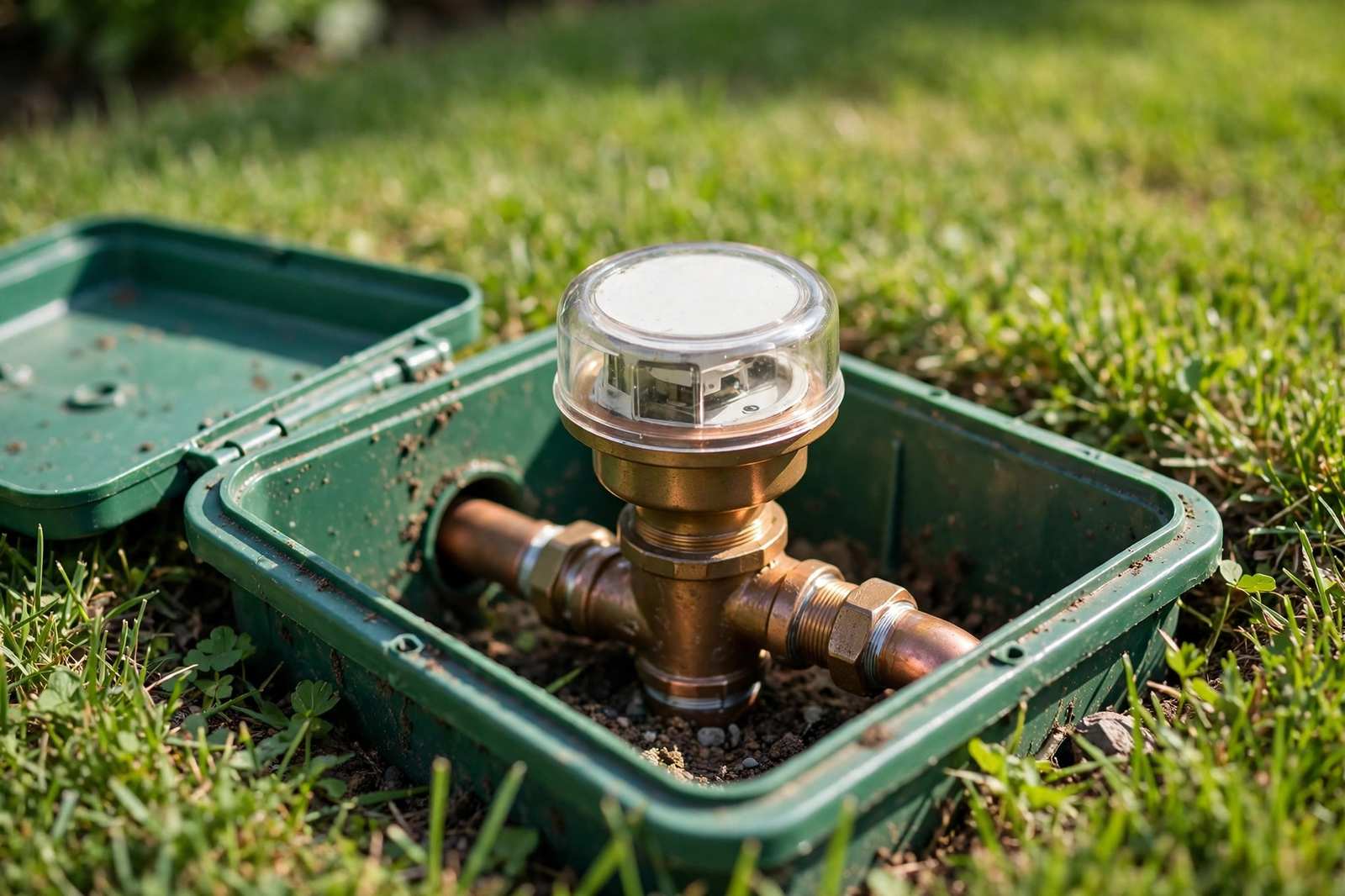
Water Meter Leak Detection
Water meter leak detection is the use of your water meter as a diagnostic instrument. That unassuming dial or…
Learn more →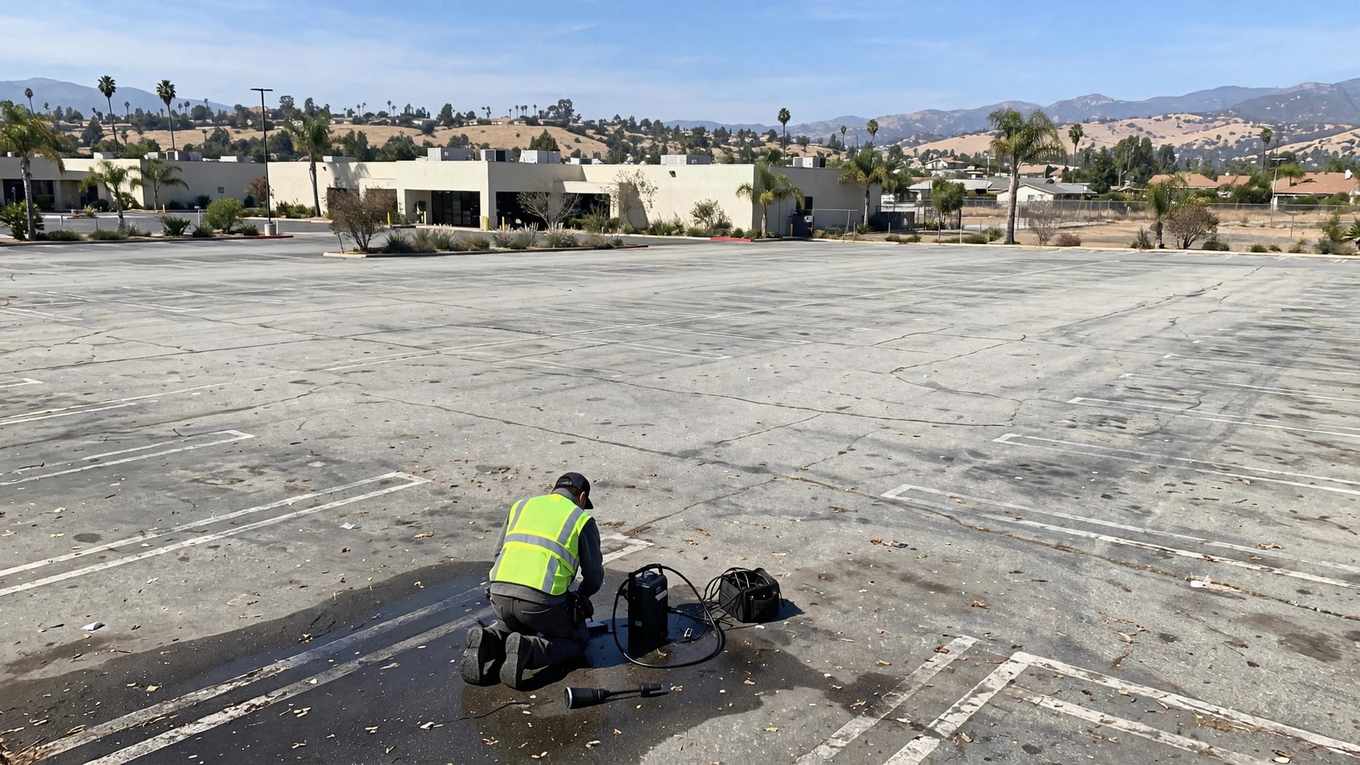
Parking Lot Leak Detection
Parking lot leak detection is the location of subsurface water leaks beneath paved commercial lots: the buried…
Learn more →Signs You May Need Leak Detection in Spring Valley
Not every leak happens indoors. Between irrigation systems, pool plumbing, and main service lines, Spring Valley properties have plenty of buried water lines, and outdoor leaks can waste enormous volumes before anyone notices, because there's no wall to stain and no floor to warp. Outdoor warning signs include:
- A pool losing water faster than evaporation can explain
- Soggy or spongy lawn areas that never seem to dry out
- One patch of grass growing noticeably faster and greener than the rest
- Water pooling near the foundation or along walkways
- The meter spinning with the house shut off but irrigation valves open
- Hissing or running water audible near hose bibs or valve boxes
- Settling or cracking in driveways and patios, from soil washing away underneath
Outdoor leaks get their own toolkit, line tracing, pressure testing, and acoustic equipment tuned for soil. If your Spring Valley yard is telling this kind of story, a targeted outdoor inspection will sort irrigation trouble from a supply-line break without digging up the whole property.
How We Find Leaks in Spring Valley
Every leak leaves a signature, sound, heat, pressure, or chemistry, and professional locating is really about reading the right signature with the right instrument. For pressurized supply lines, acoustic listening is the workhorse: highly sensitive ground microphones and listening discs pick up the hiss of water escaping through a pinhole, and a trained ear distinguishes a leak's sound from normal pipe noise. It shines on copper and PEX lines under slabs and behind walls.
Thermal imaging reads a different signature. Infrared cameras detect the temperature differences caused by evaporating moisture, making hidden wet areas behind drywall or under flooring visible as cool patterns. It's fast, completely non-invasive, and excellent for mapping how far moisture has already spread.
| Method | What it finds |
|---|---|
| Acoustic listening | Pressurized supply-line leaks under slabs and behind walls |
| Thermal imaging | Moisture spread and hidden wet areas behind surfaces |
| Moisture meters | Exact moisture levels in drywall, wood, and concrete |
| Pressure testing | Which line or section is losing pressure |
In practice, Spring Valley jobs rarely rely on a single method: a thermal scan maps the wet zone, acoustic gear pinpoints the break inside it, and a moisture meter confirms the boundaries, layered leak detection that keeps the final repair opening as small as possible.
What a Leak Detection Visit Looks Like
The visit works best when you know your role in it. Here's the flow:
- Before we arrive: clear access to the water heater, main shutoff, and any stained or suspect areas, and note when you first saw symptoms.
- Isolation tests: the technician shuts off individual lines and watches the meter, determining whether the leak is on the hot side, cold side, or a specific branch.
- Instrument sweep: acoustic and thermal gear scan the narrowed zone, converging on the break's location.
- Precision confirmation: if the location needs to be tighter, common with slab leaks, tracer gas or line tracing refines it to inches.
- Written findings: you get the confirmed location, marked and documented, ready to hand to your repair plumber.
Preparation takes ten minutes and pays off in a faster, more accurate visit. Spring Valley homeowners who clear access and jot down their symptom history consistently get the quickest pinpoint results from their leak detection visit.
Areas We Serve in Spring Valley
Our technicians provide leak detection throughout Spring Valley, California, covering 4 zip codes:
Show all 4 zip codes we serve in Spring Valley
- 91976
- 91977
- 91978
- 91979
Nearby Cities We Serve
Also serving neighboring communities around Spring Valley, see all 988 California cities.
Why Homeowners in Spring Valley Call Us
What sets a leak detection visit apart is what happens after the instruments come out: certainty. Our process is built to confirm, not assume, each reading is cross-checked with a second method before a location is marked, so the mark on your floor is a promise your plumber can trust. Because we specialize in detection only and never sell repairs, there's no incentive to exaggerate or invent problems. Add same-day availability, licensed and insured technicians, and full coverage across California including Spring Valley, and you get answers you can act on, fast, honest, and precise.