 Leak Detection California
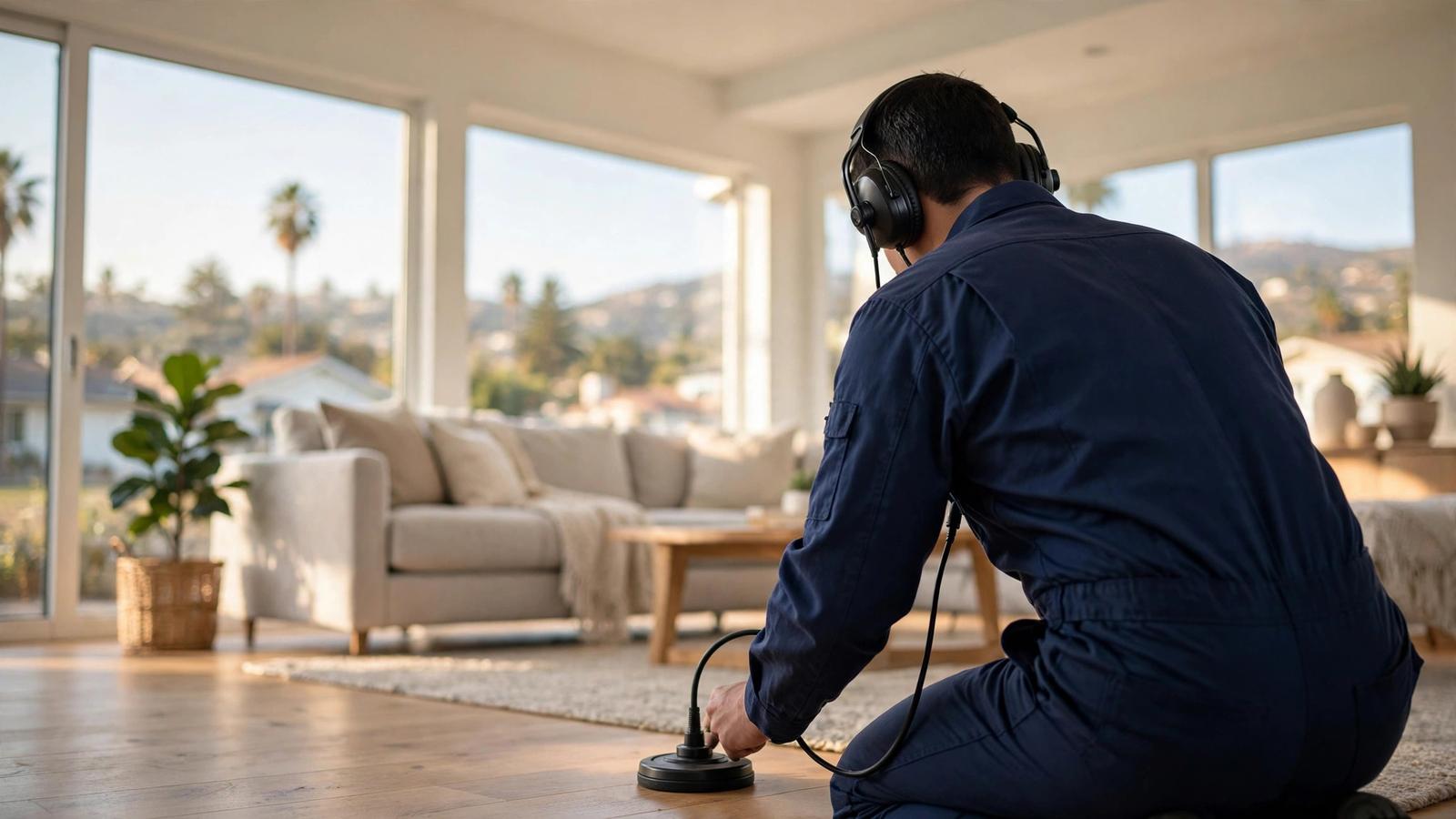
When you manage rentals in Redding, a tenant's report of a stain or a musty smell lands on your desk as both a maintenance ticket and a liability question. Small water issues escalate fast in occupied units: tenants notice, documentation matters, and waiting turns a minor repair into a habitability complaint.
That's why property managers across the area's 3 ZIP codes call us for fast, documented leak detection: we pinpoint the source with non-invasive methods first, mark the exact location, and hand over clear findings you can forward to your plumber or attach to the work order. No exploratory demolition in your unit, no vague guesses in the report. For Redding landlords and managers, quick certainty about what's leaking, and where, keeps tenants satisfied, documentation clean, and repair costs contained.
Leak Detection Services in Redding
Specialized detection for every kind of leak, see all 15 services.
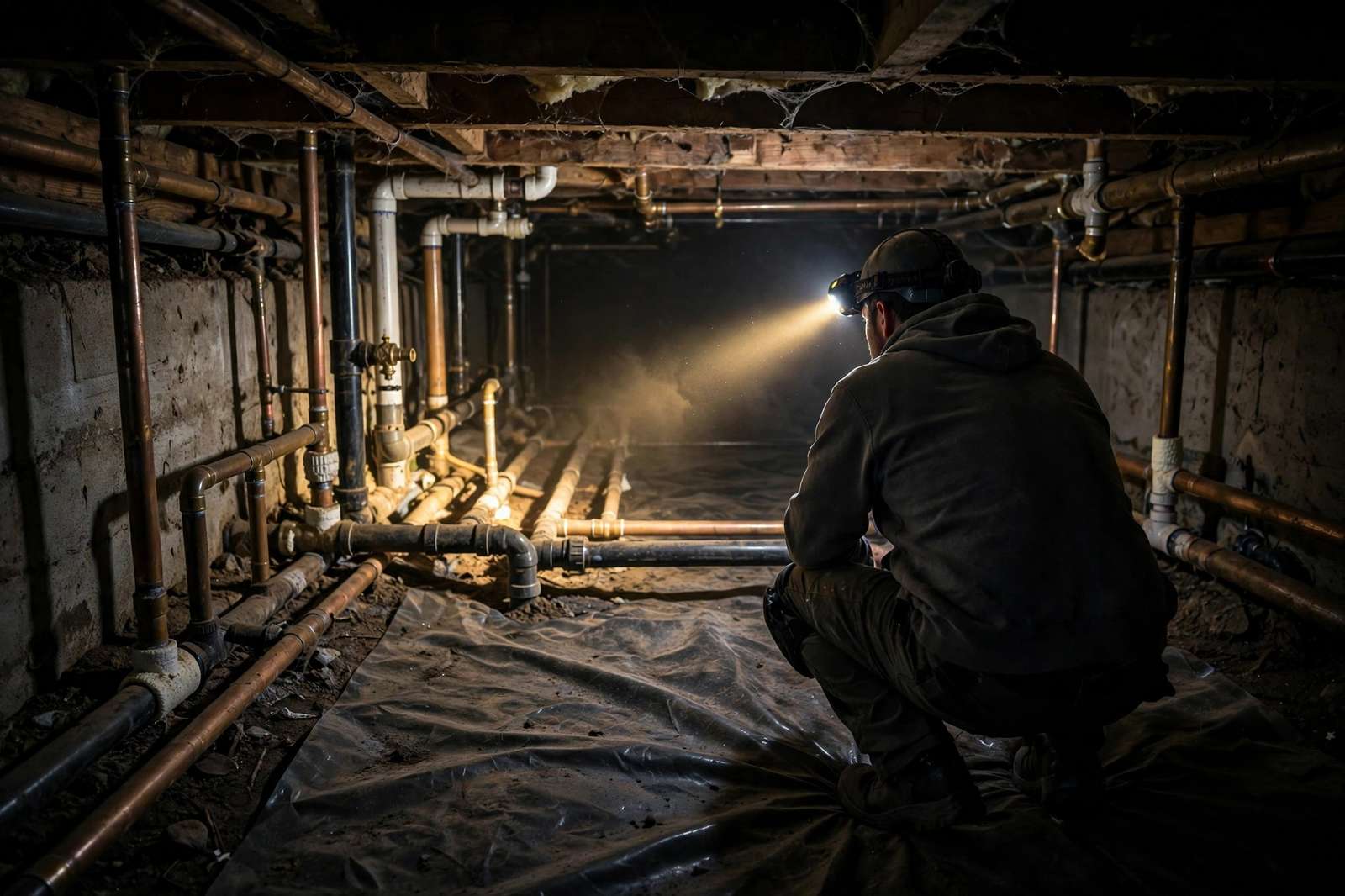
Crawlspace Leak Detection
Crawlspace leak detection is the inspection and diagnosis of water intrusion beneath homes built over a crawls…
Learn more →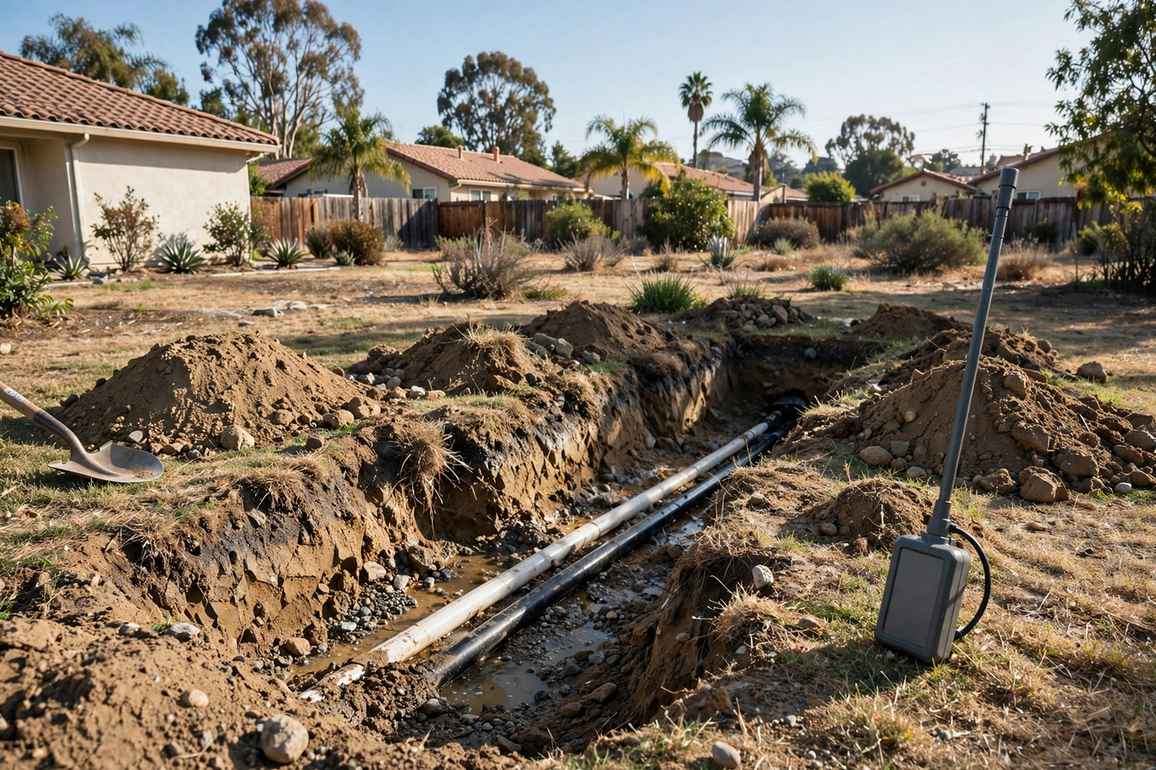
Underground Pipe Leak Detection
Underground pipe leak detection is the tracing, locating, and leak-pinpointing of buried water lines: the deep…
Learn more →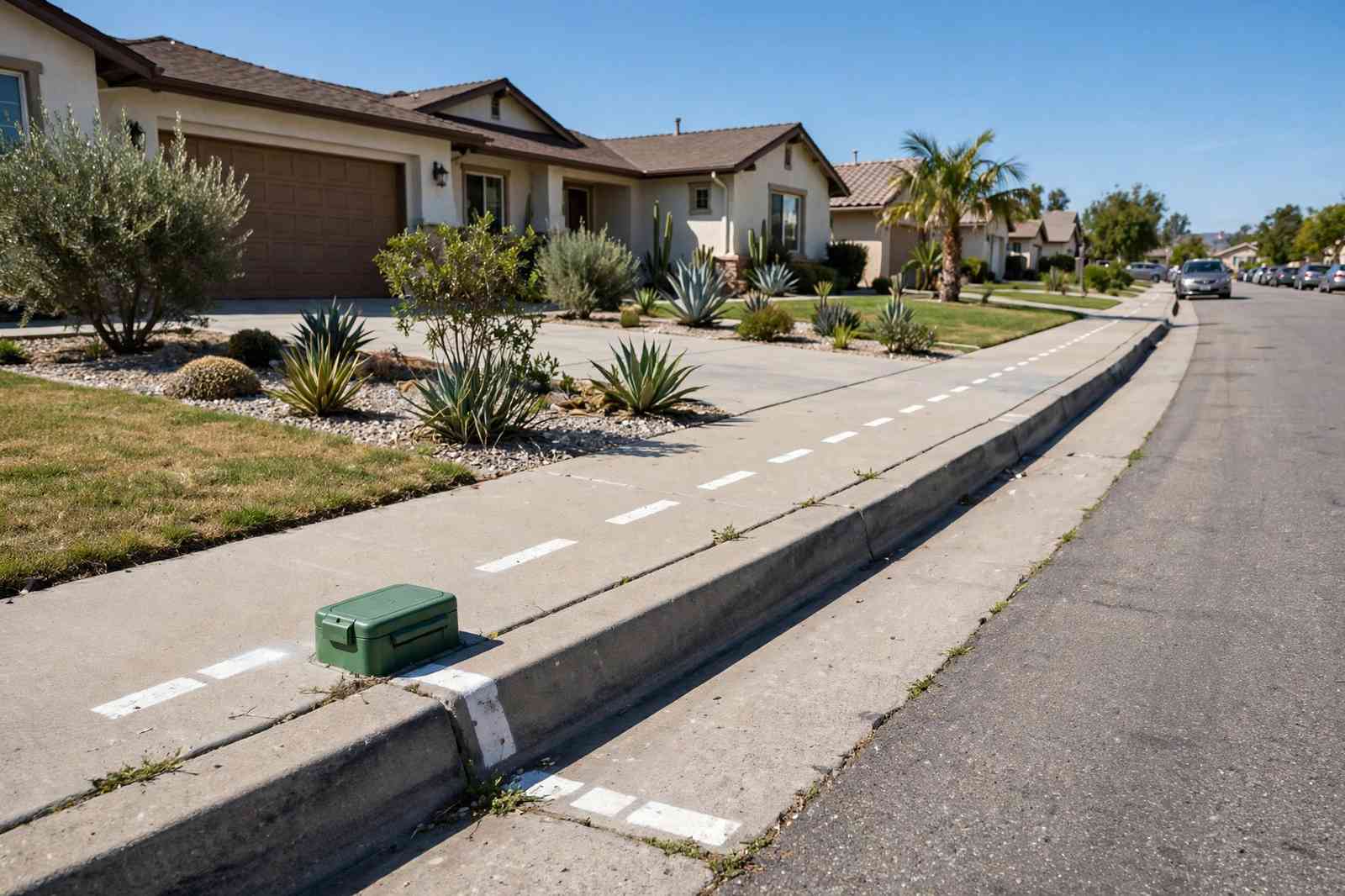
Water Service Line Leak Detection
Water service line leak detection targets one specific pipe: the pressurized line running from the street's wa…
Learn more →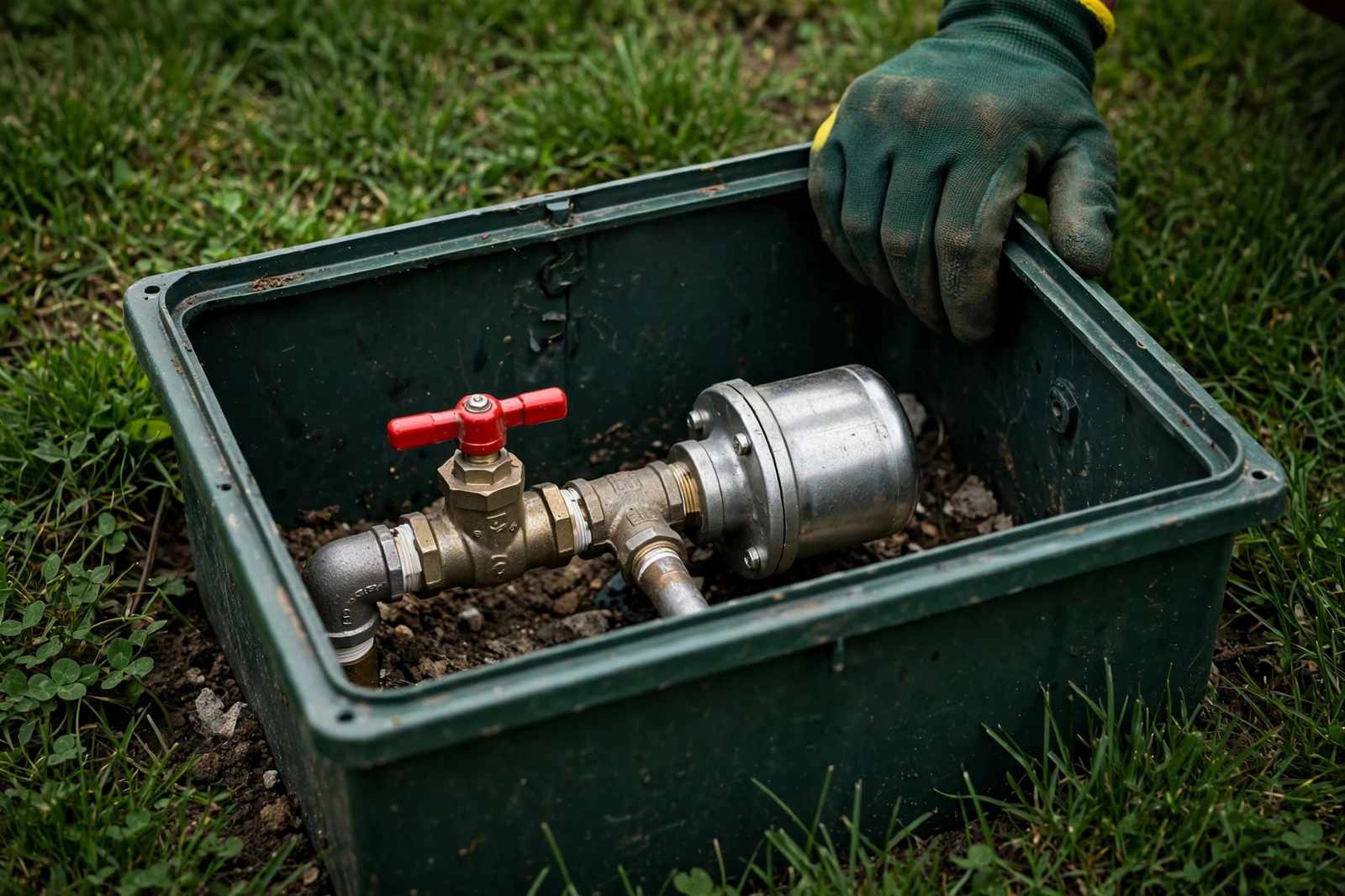
Yard Meter Box Leak Detection
Yard meter box leak detection is meter-side diagnostics: the focused investigation of everything happening in…
Learn more →Signs You May Need Leak Detection in Redding
Some leaks announce themselves through damage rather than sound or smell. By the time drywall is soft or paint is peeling, water has usually been traveling inside the structure for a while, which is why Redding homeowners should treat visible damage as a symptom worth tracing, not just patching. Common damage-driven signs include:
- Peeling or bubbling paint on walls and ceilings
- Mold or mildew growth appearing in rooms that aren't humid by nature
- Warped or buckling flooring, especially near bathrooms and kitchens
- Stains spreading across ceilings or down walls
- Cracks in the foundation that seem to be widening or damp at the base
- Cabinetry swelling under sinks or around dishwashers
- Persistent condensation on interior walls
Patching the cosmetic damage without finding the source guarantees a repeat performance. When we respond to these calls in Redding, the instruments go straight to the damaged area and work outward until the entry point is confirmed, then your repair crew knows exactly where to open up.
How We Find Leaks in Redding
Every leak leaves a signature, sound, heat, pressure, or chemistry, and professional locating is really about reading the right signature with the right instrument. For pressurized supply lines, acoustic listening is the workhorse: highly sensitive ground microphones and listening discs pick up the hiss of water escaping through a pinhole, and a trained ear distinguishes a leak's sound from normal pipe noise. It shines on copper and PEX lines under slabs and behind walls.
Thermal imaging reads a different signature. Infrared cameras detect the temperature differences caused by evaporating moisture, making hidden wet areas behind drywall or under flooring visible as cool patterns. It's fast, completely non-invasive, and excellent for mapping how far moisture has already spread.
| Method | What it finds |
|---|---|
| Acoustic listening | Pressurized supply-line leaks under slabs and behind walls |
| Thermal imaging | Moisture spread and hidden wet areas behind surfaces |
| Moisture meters | Exact moisture levels in drywall, wood, and concrete |
| Pressure testing | Which line or section is losing pressure |
In practice, Redding jobs rarely rely on a single method: a thermal scan maps the wet zone, acoustic gear pinpoints the break inside it, and a moisture meter confirms the boundaries, layered leak detection that keeps the final repair opening as small as possible.
What a Leak Detection Visit Looks Like
The visit works best when you know your role in it. Here's the flow:
- Before we arrive: clear access to the water heater, main shutoff, and any stained or suspect areas, and note when you first saw symptoms.
- Isolation tests: the technician shuts off individual lines and watches the meter, determining whether the leak is on the hot side, cold side, or a specific branch.
- Instrument sweep: acoustic and thermal gear scan the narrowed zone, converging on the break's location.
- Precision confirmation: if the location needs to be tighter, common with slab leaks, tracer gas or line tracing refines it to inches.
- Written findings: you get the confirmed location, marked and documented, ready to hand to your repair plumber.
Preparation takes ten minutes and pays off in a faster, more accurate visit. Redding homeowners who clear access and jot down their symptom history consistently get the quickest pinpoint results from their leak detection visit.
Areas We Serve in Redding
Our technicians provide leak detection throughout Redding, California, covering 3 zip codes:
Show all 3 zip codes we serve in Redding
- 96001
- 96002
- 96003
Nearby Cities We Serve
Also serving neighboring communities around Redding, see all 988 California cities.
Why Homeowners in Redding Call Us
California is all we serve, and that focus shows in the work. Slab foundations, irrigation networks, pool plumbing, older galvanized lines, these are the patterns our technicians read every day, so Redding jobs benefit from experience matched to how homes here are actually built. Every appointment leads with non-invasive methods, offers same-day scheduling, and ends with a clearly marked, documented location. Licensed, insured, and equipped with the full professional toolkit, that's the standard for leak detection on every visit, in every ZIP code we cover. When detection is all you do, you get very good at it.