 Leak Detection California
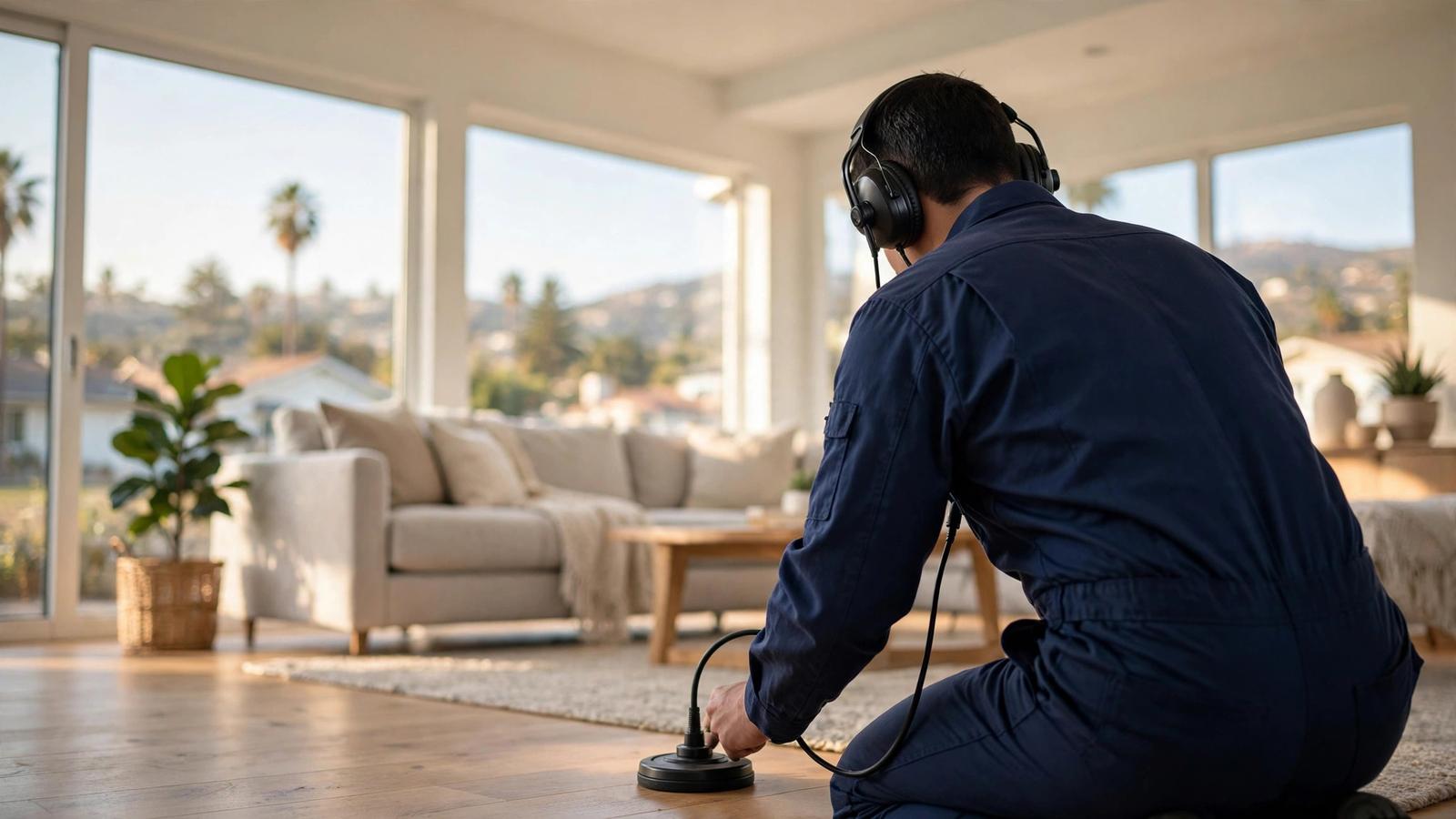
Water doesn't pause while you weigh your options, so a leak you found this morning shouldn't have to wait until next week. That's why we keep same-day appointments available for Weaverville: call, describe what you're seeing or hearing, and a technician can often be at your door the same day to track the problem to its source.
Speed matters because every hour of an active leak is another hour of water where it doesn't belong, soaking framing, feeding mold, undermining soil beneath the slab. Our leak detection visits are built for urgency without corner-cutting: the same acoustic, thermal, and pressure methods, the same careful pinpointing, just scheduled today instead of next Tuesday. We serve all 1 ZIP code in the Weaverville area, and a suspected break doesn't get cheaper over the weekend, so neither should the wait for answers.
Leak Detection Services in Weaverville
Specialized detection for every kind of leak, see all 15 services.
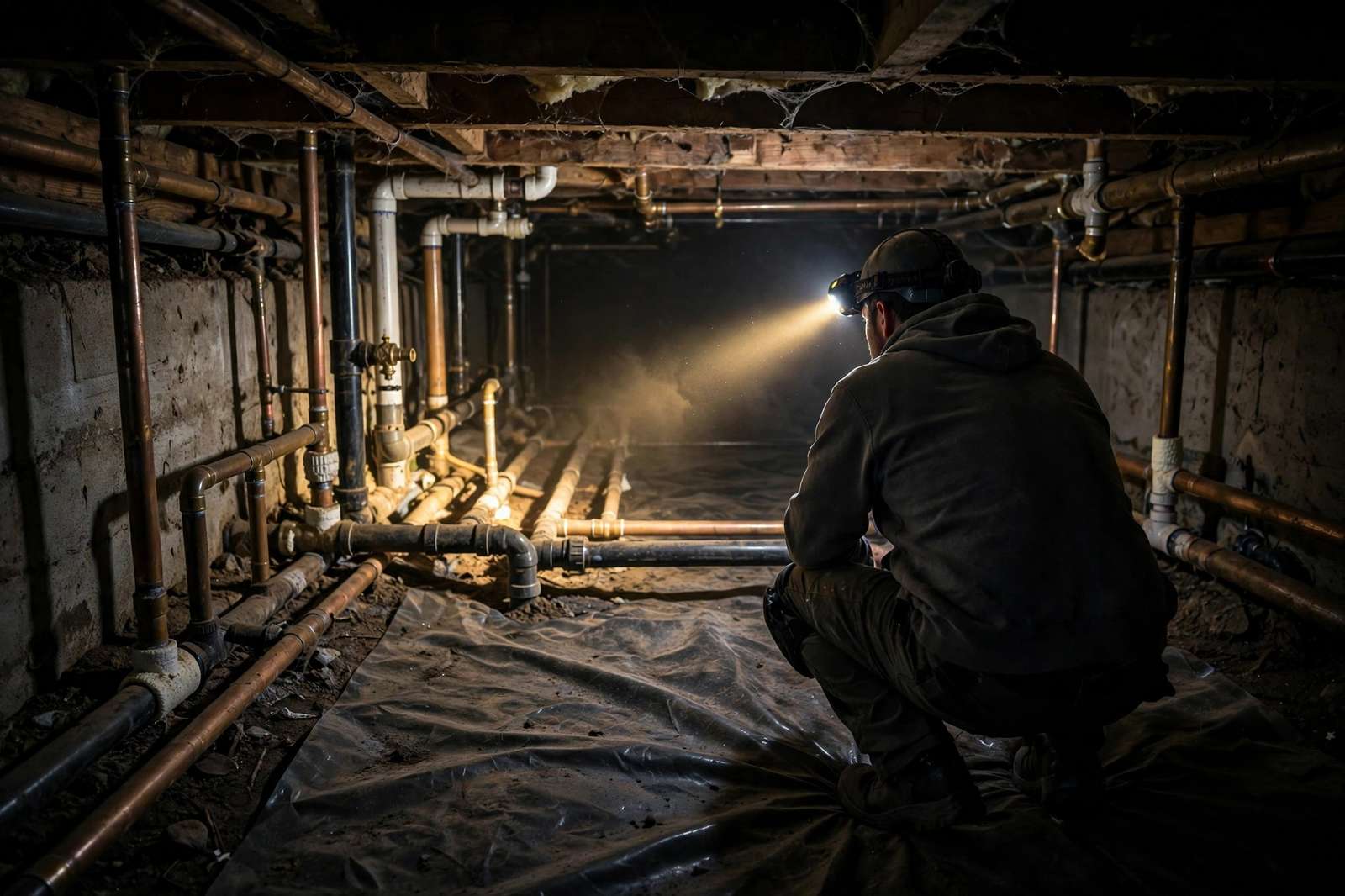
Crawlspace Leak Detection
Crawlspace leak detection is the inspection and diagnosis of water intrusion beneath homes built over a crawls…
Learn more →
Commercial Leak Detection
Commercial leak detection is the location of hidden water leaks in non-residential properties: office building…
Learn more →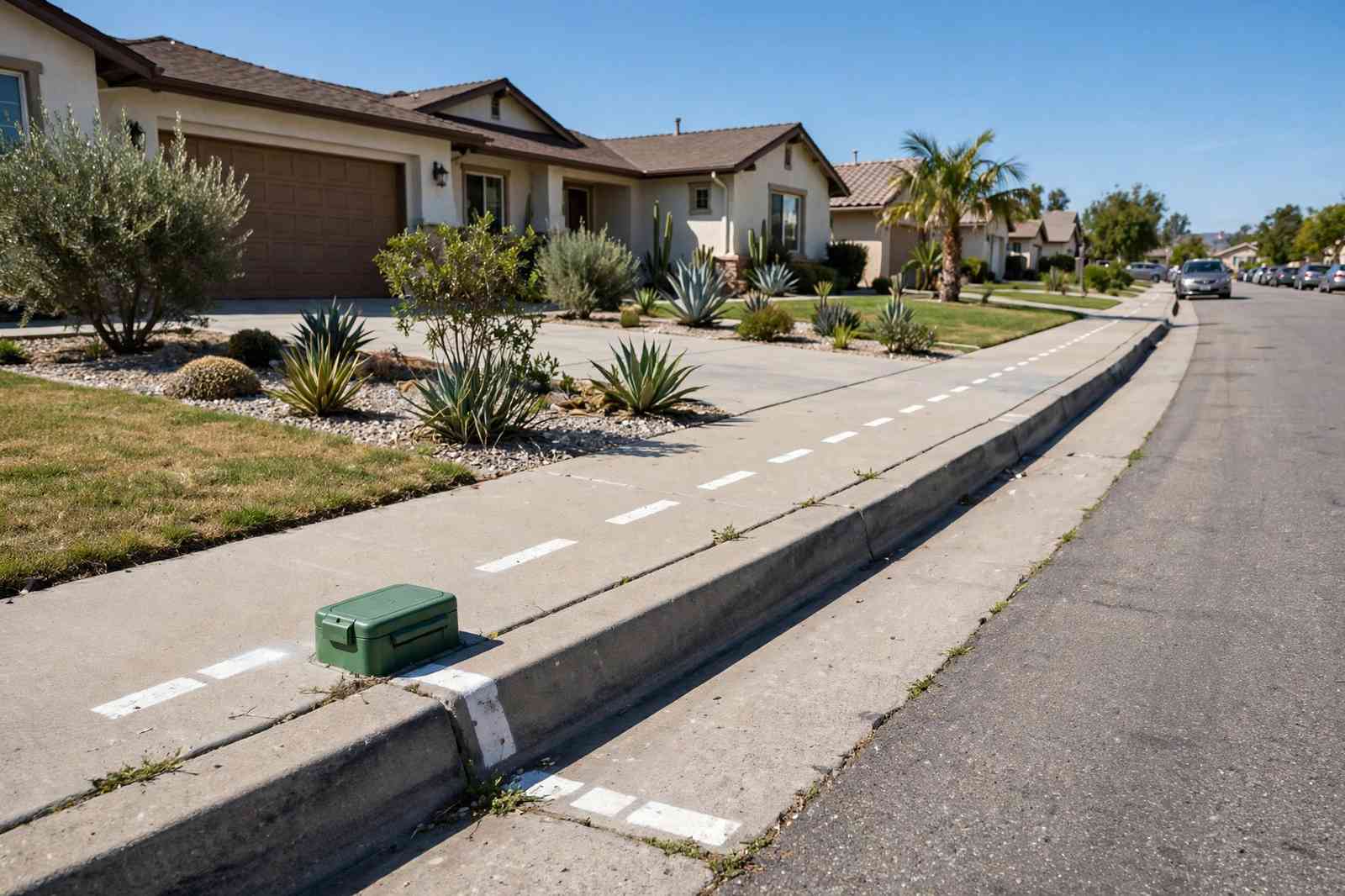
Water Service Line Leak Detection
Water service line leak detection targets one specific pipe: the pressurized line running from the street's wa…
Learn more →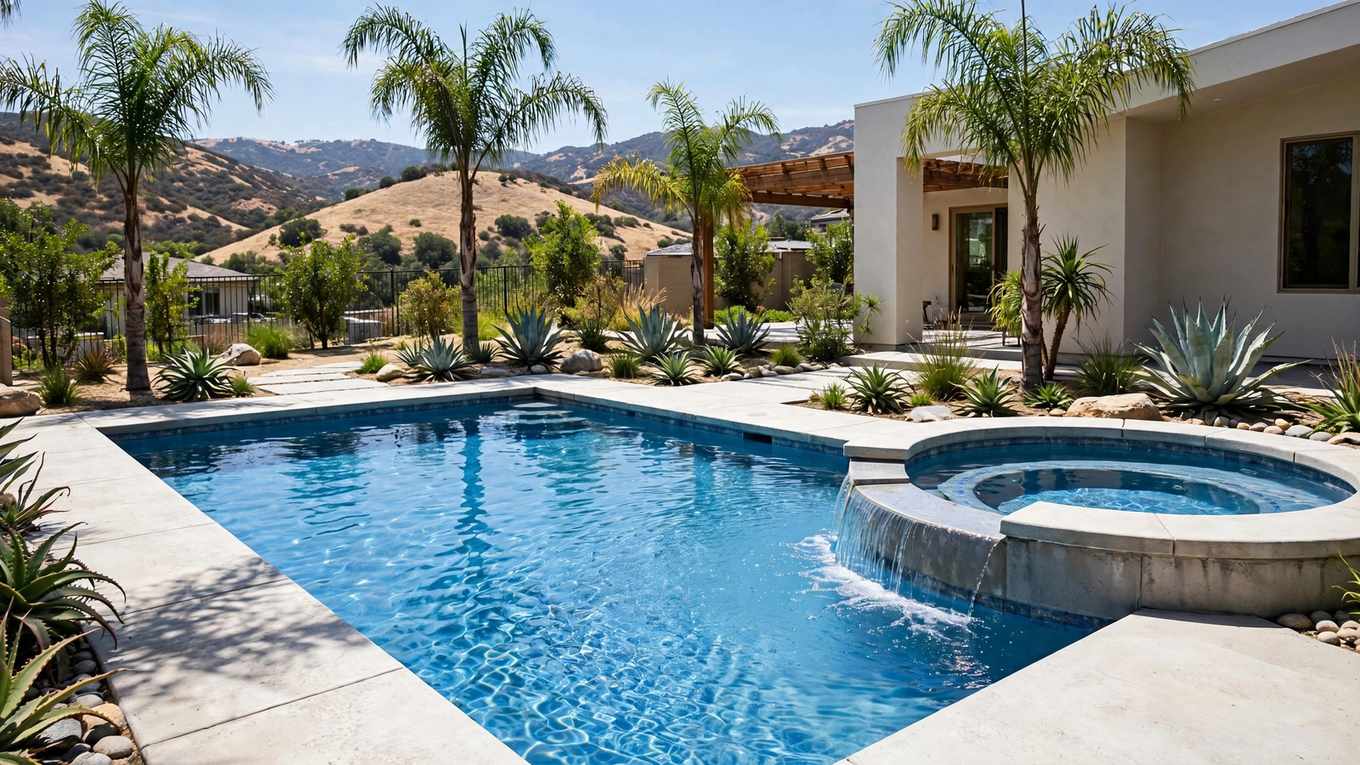
Pool & Spa Leak Detection
Pool and spa leak detection is the diagnosis of water loss from swimming pools, spas, and their equipment: dis…
Learn more →Signs You May Need Leak Detection in Weaverville
The cheapest leaks to fix are the ones caught early, before drywall is ruined or flooring buckles. Early-stage signs are subtle, which is exactly why they get ignored for weeks. In Weaverville, these quiet clues are the ones worth acting on:
- A faint musty smell in one room that airing out never fixes
- Warm patches on tile or concrete with no heating source beneath
- Water sounds in walls or floors when the house is quiet
- Gradually dropping water pressure across the home
- Paint edges curling or wallpaper loosening in one area
- Indoor humidity that feels higher than the weather justifies
- Dampness at the base of walls or along the foundation line
- The two-hour meter test: note the dial, use no water for two hours, check again, movement means something is flowing
Catching a leak at this stage usually means a small, contained repair instead of a renovation. Our Weaverville leak detection appointments are built for exactly these early calls: confirm whether water is actually escaping, and if so, mark precisely where.
How We Find Leaks in Weaverville
When a leak won't reveal itself to sound or heat, tracer gas changes the game. The water line is drained and filled with a harmless hydrogen-nitrogen mix; because hydrogen molecules are tiny, they escape through the break and rise to the surface, where a sensitive sniffer traces the gas plume back to within inches of the leak. It's remarkably precise for slab leaks and long buried runs where acoustic signals get muddy.
Pressure testing answers a different but equally important question: which line is actually leaking? By isolating sections of plumbing and monitoring gauges, a technician can prove whether the culprit is the hot line, the cold line, a bathroom branch, or the main service, before a single instrument is aimed at a wall. That diagnosis prevents the all-too-common mistake of opening the wrong area.
| Method | What it finds |
|---|---|
| Tracer gas | Pinpoint location of slab and buried-line leaks |
| Pressure testing | Which line or branch is losing water |
| Electronic line tracing | The underground path of buried pipes |
| Dye testing | Drain, shower-pan, and toilet-base leaks |
For Weaverville homes, these two methods often work as a pair: pressure testing narrows the search to one line, tracer gas walks it to the exact break, methodical leak detection that replaces guesswork with measurements at every step.
What a Leak Detection Visit Looks Like
Knowing what happens during a visit takes the mystery out of it. Here is how a typical leak detection appointment unfolds:
- The call: you describe the symptoms, bill spike, sounds, stains, and we schedule, often for the same day.
- Meter check on arrival: the technician verifies water is actually escaping by watching the meter with fixtures off, establishing there's a real leak to find.
- Systematic sweep: acoustic listening, thermal imaging, and moisture readings work across the suspected area, narrowing from rooms to square feet to inches.
- Pinpoint and mark: the confirmed location is marked directly on the floor or wall, so there's no ambiguity later.
- Findings and next steps: you get a clear explanation of what was found and where, plus guidance on getting the repair itself scheduled.
Most visits wrap up in a single appointment, and because the methods are non-invasive, your home looks the same when we leave as when we arrived, minus the mystery of where the water was going.
Areas We Serve in Weaverville
Our technicians provide leak detection throughout Weaverville, California, covering 1 zip code:
Show the zip code we serve in Weaverville
- 96093
Nearby Cities We Serve
Also serving neighboring communities around Weaverville, see all 988 California cities.
Why Homeowners in Weaverville Call Us
We do one thing: find leaks precisely, without tearing your property apart first. Non-invasive leak detection is our default on every visit, acoustic, thermal, and pressure-based tools locate the break before anything is opened, so the repair that follows is small and exactly placed. Same-day appointments are available across California because water damage doesn't wait, and our technicians arrive with professional-grade equipment, not guesswork. We're licensed and insured, and we serve the entire state, including Weaverville, with the same careful, evidence-first approach on every job. That's the whole model: one specialty, done properly.