 Leak Detection California
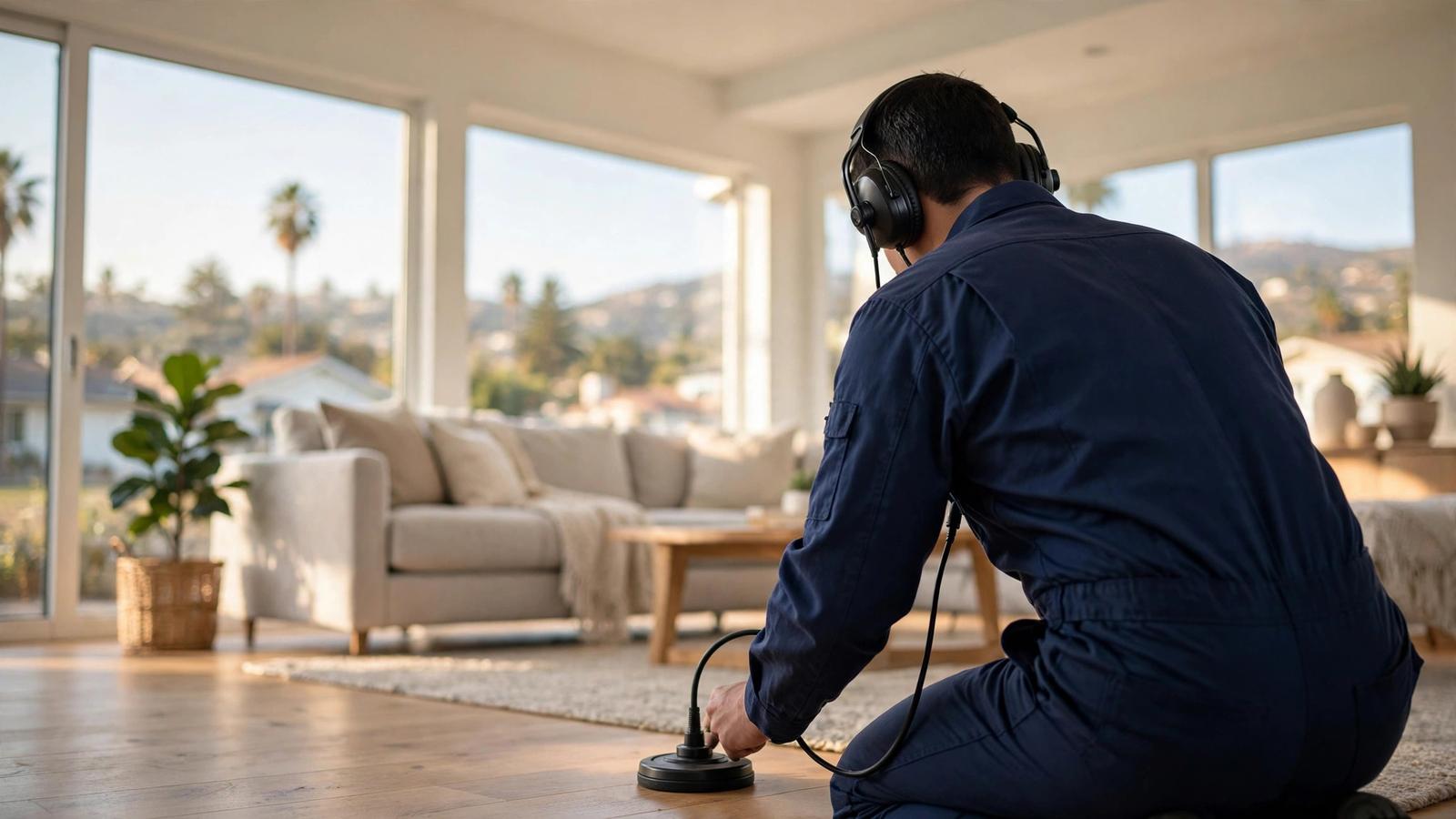
If your mailing address starts with 956, you're in our regular service rotation, and that includes Herald. We run leak detection routes across the whole 956 area, so a call from Herald usually lands on a day we're already nearby, which is how same-day appointments stay realistic instead of aspirational.
What happens on the visit doesn't change from town to town: meter behavior first, then line isolation, then acoustic listening and thermal imaging to narrow the search to inches. The only thing that changes is the drive. We cover the 95638 ZIP code around Herald, and whether the culprit turns out to be a slab line, an irrigation lateral, or a pool return, the goal is identical, find it precisely, open up as little as possible, and hand you a clear answer.
Leak Detection Notes for Herald Homes
Herald is a small Sacramento County farm community, where older farmhouses and scattered rural homes sit on larger lots among fields on the valley floor. Rural properties like these often have longer buried service runs than a town lot, which means more pipe between the road and the house, more joints along the way, and more ground where a slow loss can hide without ever reaching the surface.
Valley heat shapes the rest of the story. Long hot summers push irrigation systems hard, and a cracked lateral in a large yard can look like nothing more than a healthy patch of ground. For Herald homeowners, the bill and the meter are better guides than the yard itself. A meter that creeps with everything off, or usage that climbs across two billing cycles with no change at the house, is the signal to have the line pinpointed rather than waiting for visible water.
Leak Detection Services in Herald
Specialized detection for every kind of leak, see all 15 services.
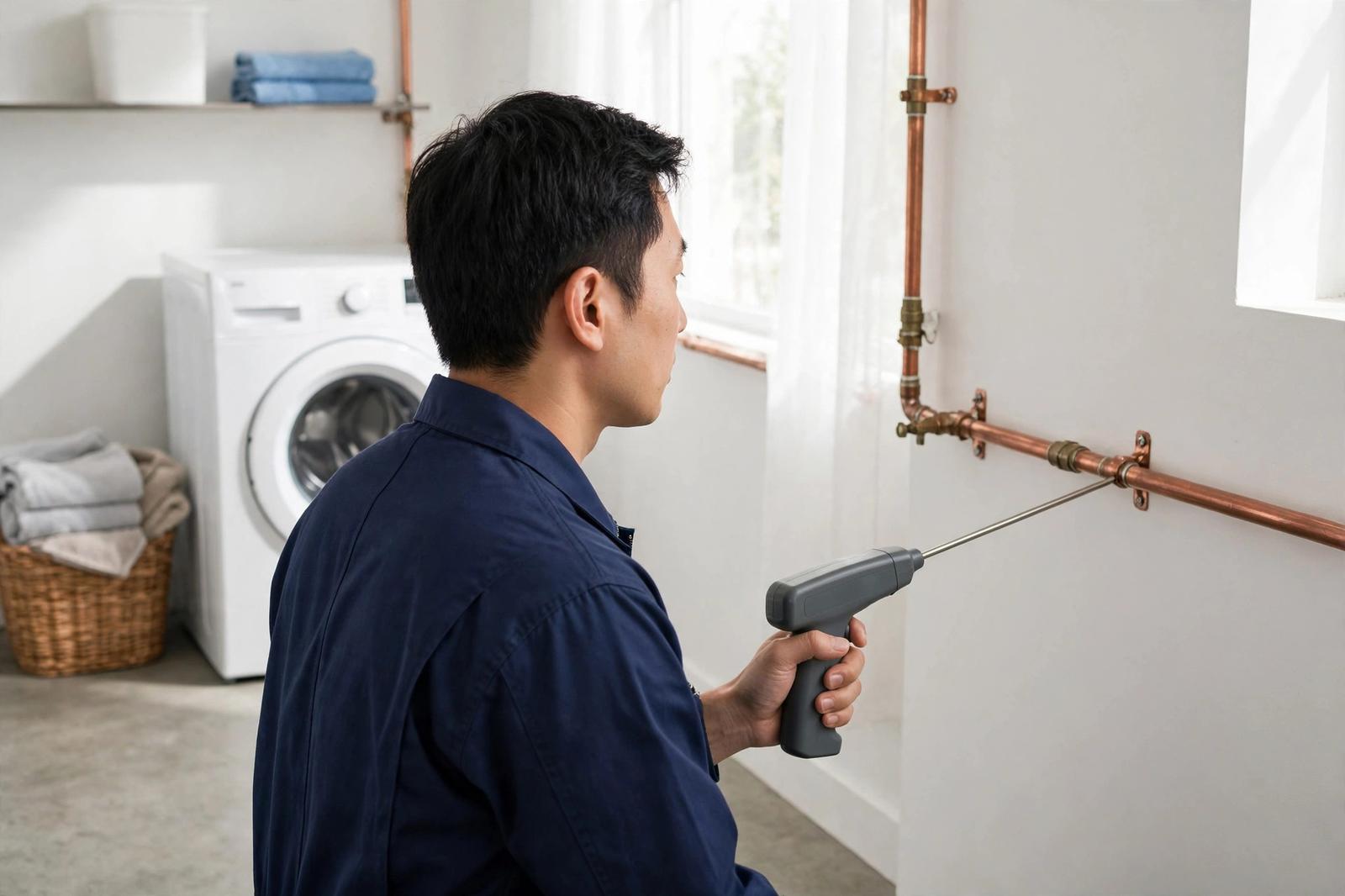
Water Leak Detection
Water leak detection is the specialized process of finding hidden plumbing leaks with non-invasive technology…
Learn more →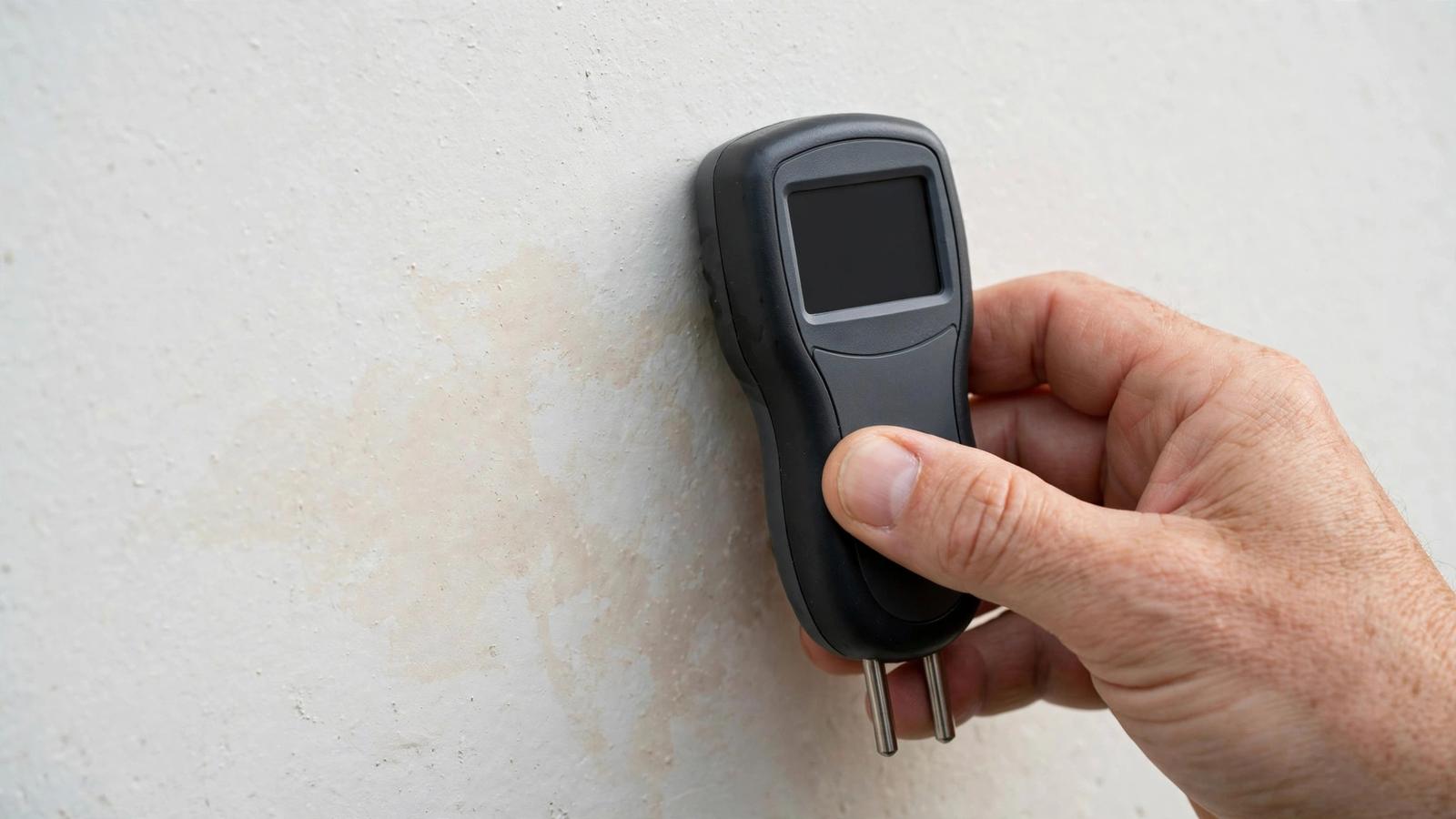
Ceiling & Wall Leak Detection
Ceiling and wall leak detection is the art of finding water hiding inside your home's structure. A brown stain…
Learn more →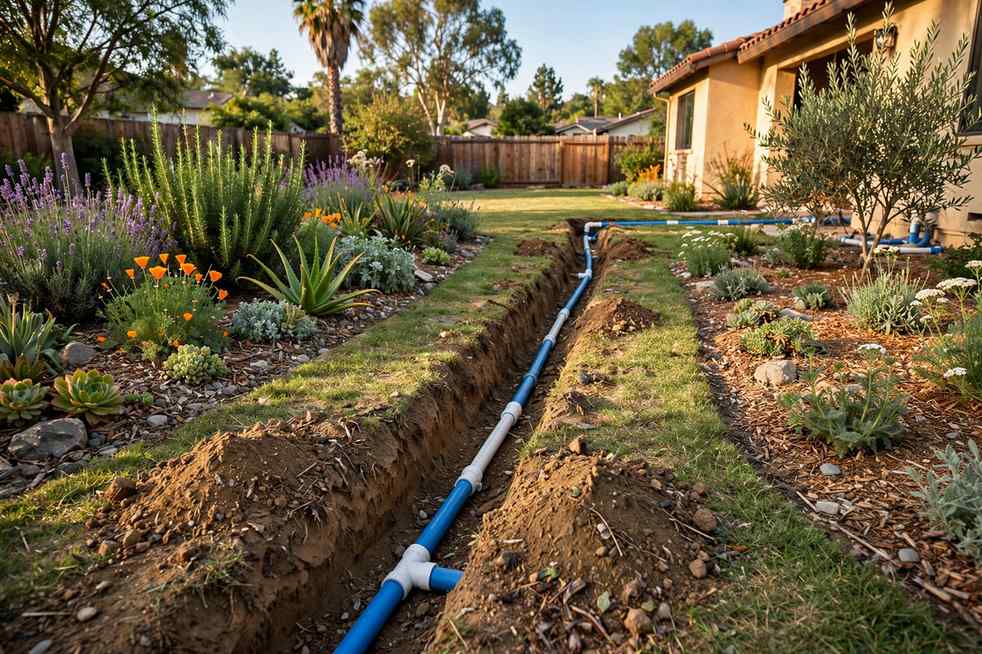
Outdoor Water Line Leak Detection
Outdoor water line leak detection covers the potable water lines that distribute water around your yard after…
Learn more →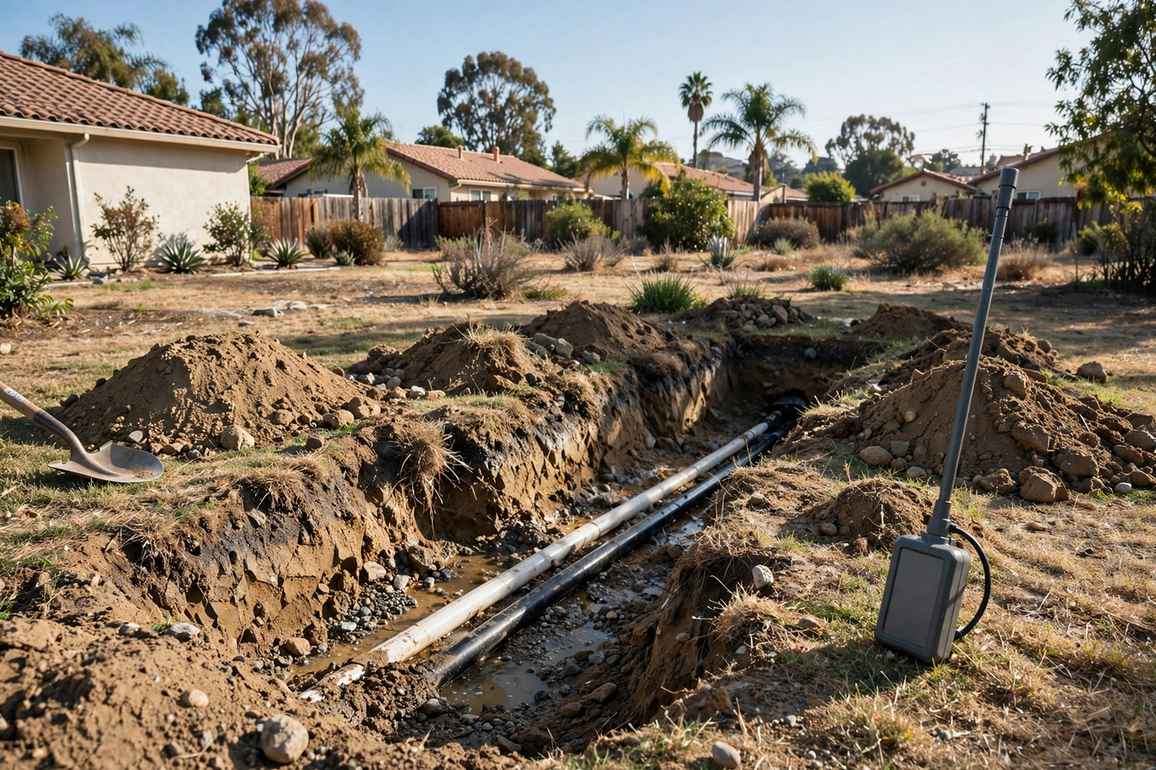
Underground Pipe Leak Detection
Underground pipe leak detection is the tracing, locating, and leak-pinpointing of buried water lines: the deep…
Learn more →Signs You May Need Leak Detection in Herald
The cheapest leaks to fix are the ones caught early, before drywall is ruined or flooring buckles. Early-stage signs are subtle, which is exactly why they get ignored for weeks. In Herald, these quiet clues are the ones worth acting on:
- A faint musty smell in one room that airing out never fixes
- Warm patches on tile or concrete with no heating source beneath
- Water sounds in walls or floors when the house is quiet
- Gradually dropping water pressure across the home
- Paint edges curling or wallpaper loosening in one area
- Indoor humidity that feels higher than the weather justifies
- Dampness at the base of walls or along the foundation line
- The two-hour meter test: note the dial, use no water for two hours, check again, movement means something is flowing
Catching a leak at this stage usually means a small, contained repair instead of a renovation. Our Herald leak detection appointments are built for exactly these early calls: confirm whether water is actually escaping, and if so, mark precisely where.
How We Find Leaks in Herald
When a leak won't reveal itself to sound or heat, tracer gas changes the game. The water line is drained and filled with a harmless hydrogen-nitrogen mix; because hydrogen molecules are tiny, they escape through the break and rise to the surface, where a sensitive sniffer traces the gas plume back to within inches of the leak. It's remarkably precise for slab leaks and long buried runs where acoustic signals get muddy.
Pressure testing answers a different but equally important question: which line is actually leaking? By isolating sections of plumbing and monitoring gauges, a technician can prove whether the culprit is the hot line, the cold line, a bathroom branch, or the main service, before a single instrument is aimed at a wall. That diagnosis prevents the all-too-common mistake of opening the wrong area.
| Method | What it finds |
|---|---|
| Tracer gas | Pinpoint location of slab and buried-line leaks |
| Pressure testing | Which line or branch is losing water |
| Electronic line tracing | The underground path of buried pipes |
| Dye testing | Drain, shower-pan, and toilet-base leaks |
For Herald homes, these two methods often work as a pair: pressure testing narrows the search to one line, tracer gas walks it to the exact break, methodical leak detection that replaces guesswork with measurements at every step.
What a Leak Detection Visit Looks Like
The visit works best when you know your role in it. Here's the flow:
- Before we arrive: clear access to the water heater, main shutoff, and any stained or suspect areas, and note when you first saw symptoms.
- Isolation tests: the technician shuts off individual lines and watches the meter, determining whether the leak is on the hot side, cold side, or a specific branch.
- Instrument sweep: acoustic and thermal gear scan the narrowed zone, converging on the break's location.
- Precision confirmation: if the location needs to be tighter, common with slab leaks, tracer gas or line tracing refines it to inches.
- Written findings: you get the confirmed location, marked and documented, ready to hand to your repair plumber.
Preparation takes ten minutes and pays off in a faster, more accurate visit. Herald homeowners who clear access and jot down their symptom history consistently get the quickest pinpoint results from their leak detection visit.
Areas We Serve in Herald
Our technicians provide leak detection throughout Herald, California, covering 1 zip code:
Show the zip code we serve in Herald
- 95638
Nearby Cities We Serve
Also serving neighboring communities around Herald, see all 988 California cities.
Why Homeowners in Herald Call Us
California is all we serve, and that focus shows in the work. Slab foundations, irrigation networks, pool plumbing, older galvanized lines, these are the patterns our technicians read every day, so Herald jobs benefit from experience matched to how homes here are actually built. Every appointment leads with non-invasive methods, offers same-day scheduling, and ends with a clearly marked, documented location. Licensed, insured, and equipped with the full professional toolkit, that's the standard for leak detection on every visit, in every ZIP code we cover. When detection is all you do, you get very good at it.