 Leak Detection California
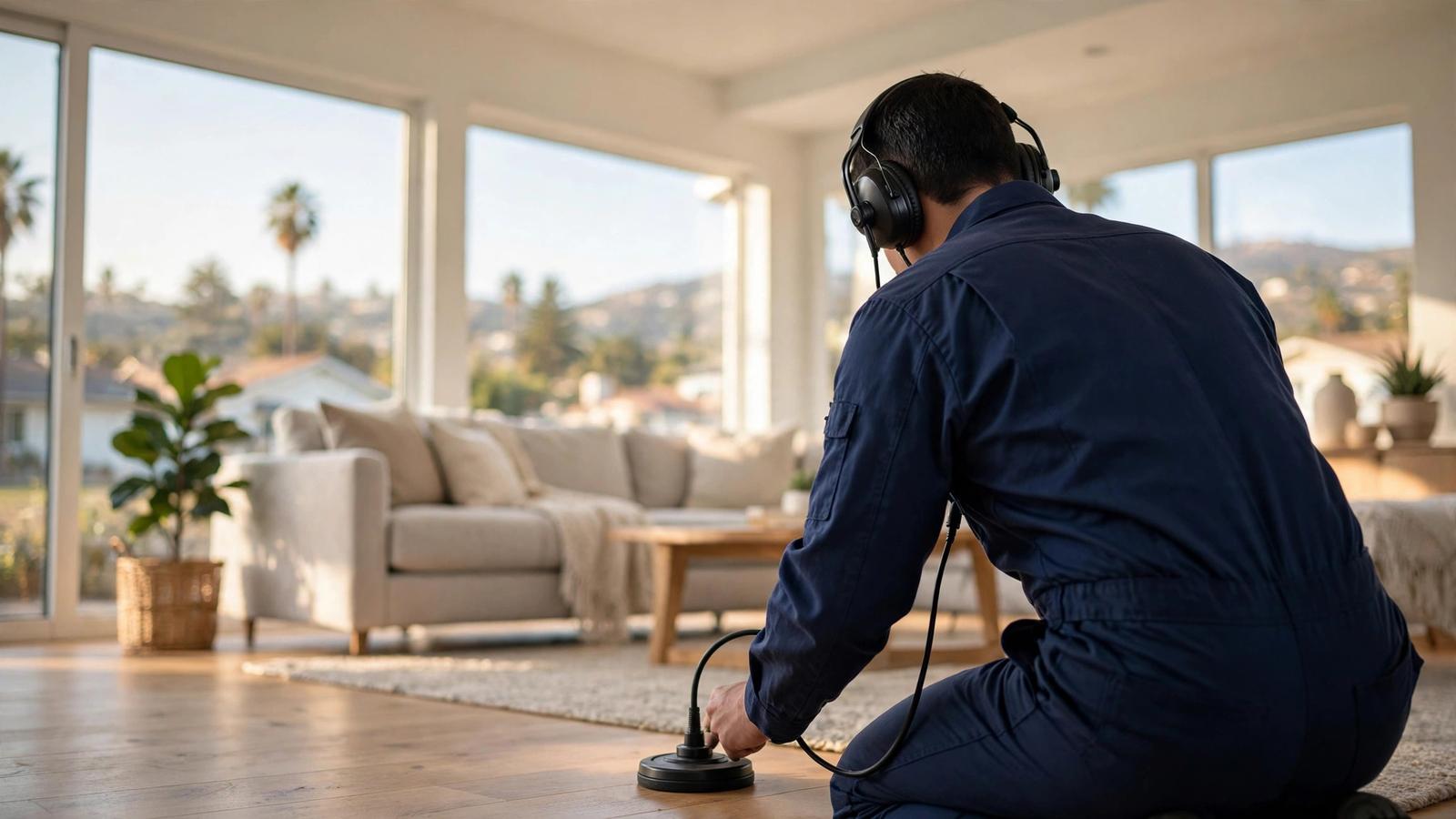
It usually starts with the water bill: a jump you can't explain, month after month, even though your habits haven't changed. In Dunlap, that unexplained spike is one of the most common reasons homeowners request leak detection, because a hidden leak can run quietly for weeks behind walls, under a slab, or along a buried supply line before it ever leaves a visible stain or a soft spot in the flooring.
The frustrating part is how little a symptom reveals about the source. A damp patch on the downstairs ceiling rarely sits directly beneath the actual break. Our work is to close that gap with evidence instead of guesswork, so any repair starts in the right place. We take calls from the 93621 ZIP code around Dunlap, and the sooner a leak is located, the smaller the eventual repair stays.
Leak Detection Notes for Dunlap Homes
Dunlap is a Sierra foothill community in Fresno County, where ranch properties and scattered homes sit among oaks and granite outcrops on sloped, rocky lots. Properties here tend to be larger than valley lots, with long buried runs between the road and the house and irrigation lines that add even more buried pipe. Hot, dry summers and cool foothill winters work on exposed fittings, hose bibbs, and shallow lines across the year.
Rocky ground hides the source of a leak well, since escaping water follows rock seams and old trench lines downhill rather than pooling above the break. For Dunlap homeowners, the meter and the bill are better guides than the yard itself. A dial that creeps with everything closed, or usage that climbs across two billing cycles with no change at the house, is the signal to have the line pinpointed before a slow loss runs a whole season.
Leak Detection Services in Dunlap
Specialized detection for every kind of leak, see all 15 services.
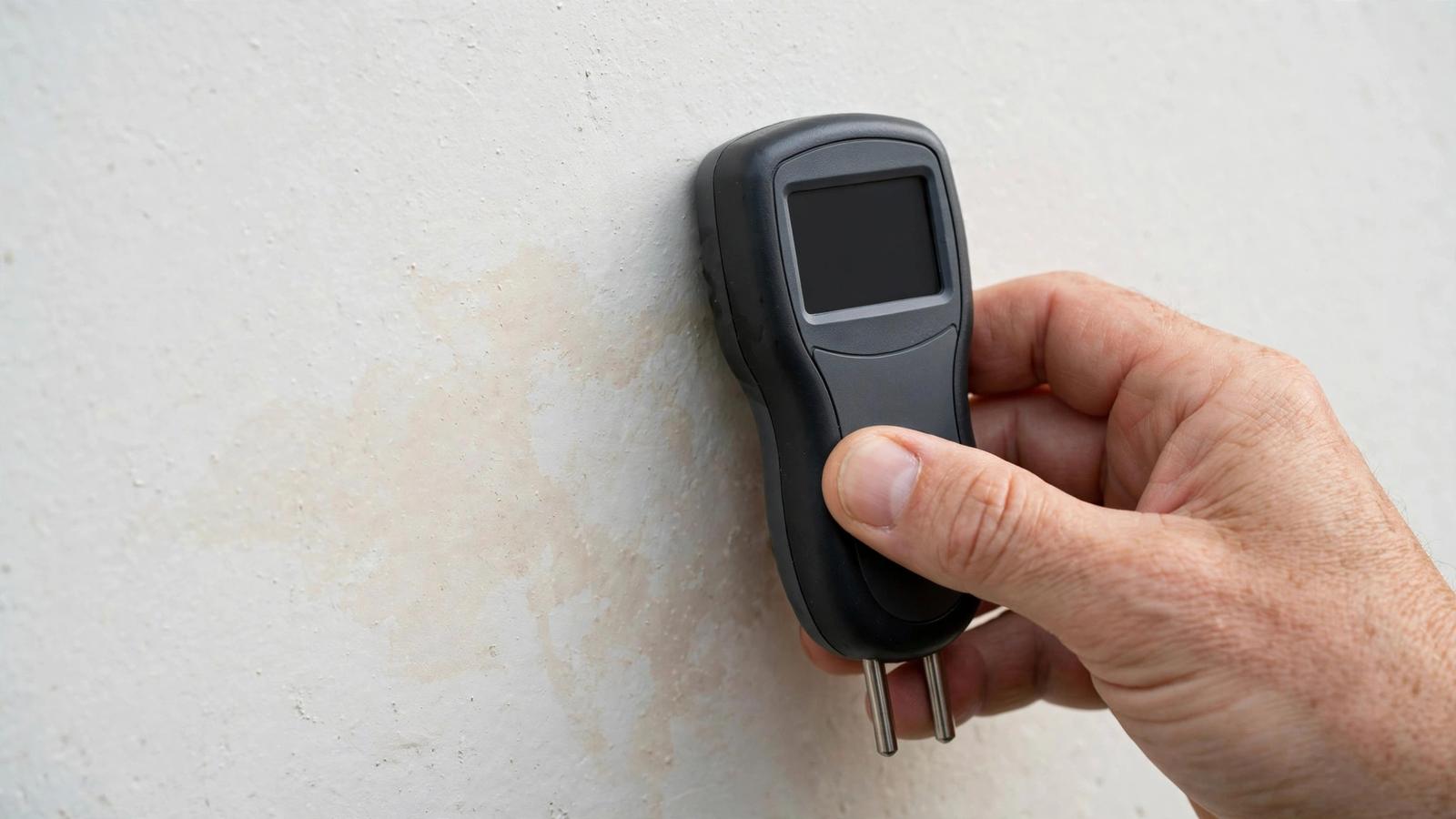
Ceiling & Wall Leak Detection
Ceiling and wall leak detection is the art of finding water hiding inside your home's structure. A brown stain…
Learn more →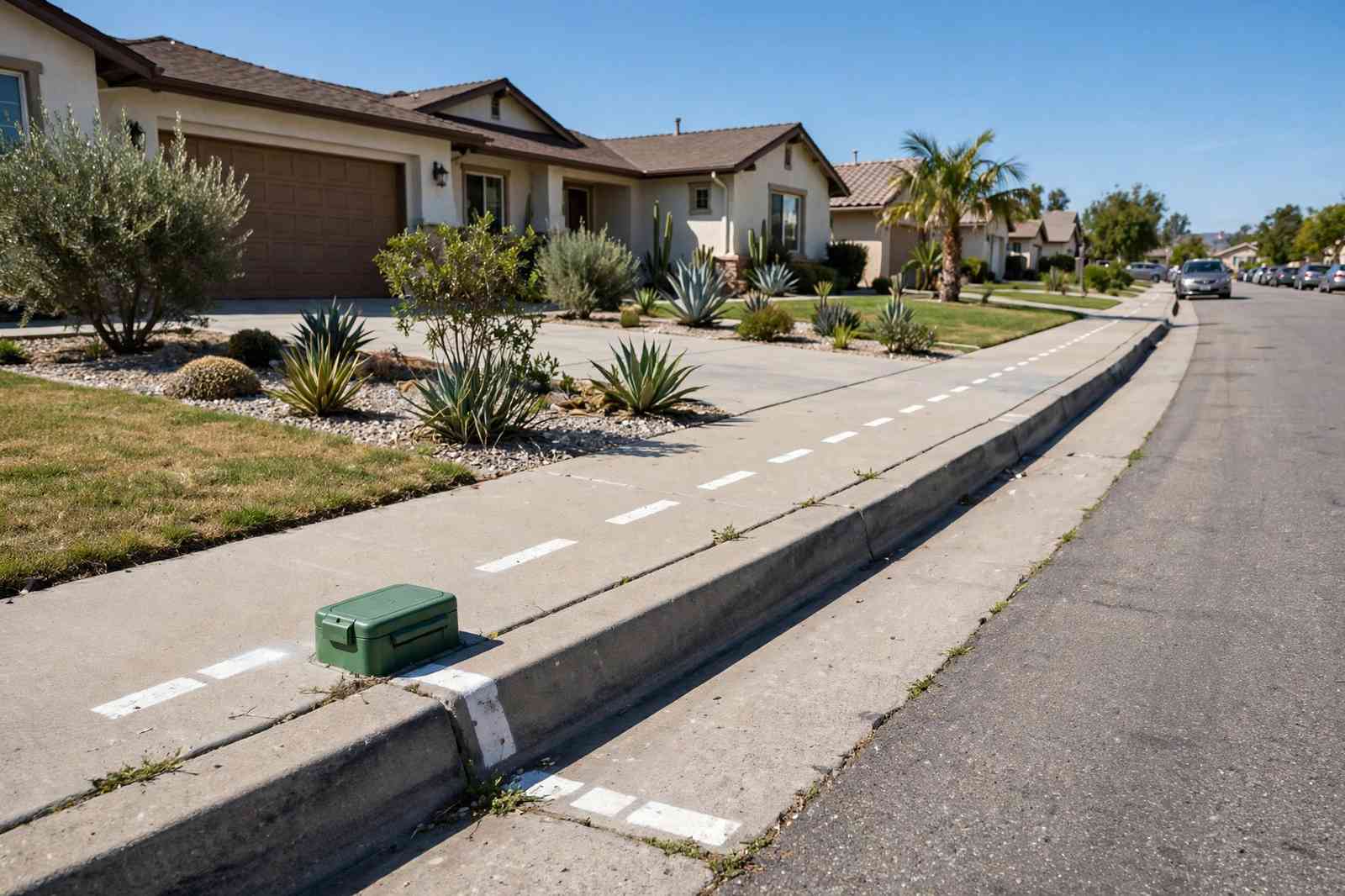
Water Service Line Leak Detection
Water service line leak detection targets one specific pipe: the pressurized line running from the street's wa…
Learn more →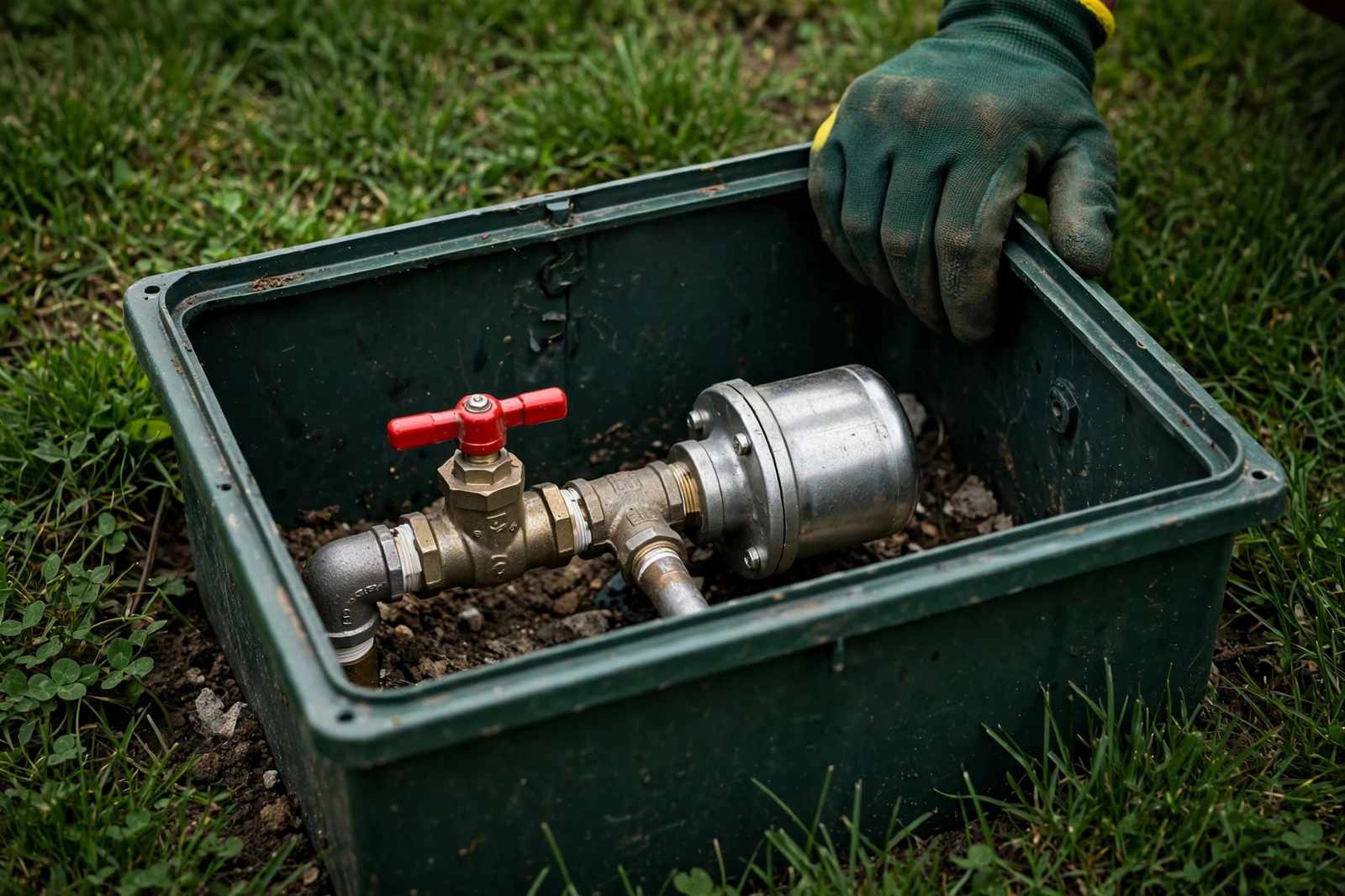
Yard Meter Box Leak Detection
Yard meter box leak detection is meter-side diagnostics: the focused investigation of everything happening in…
Learn more →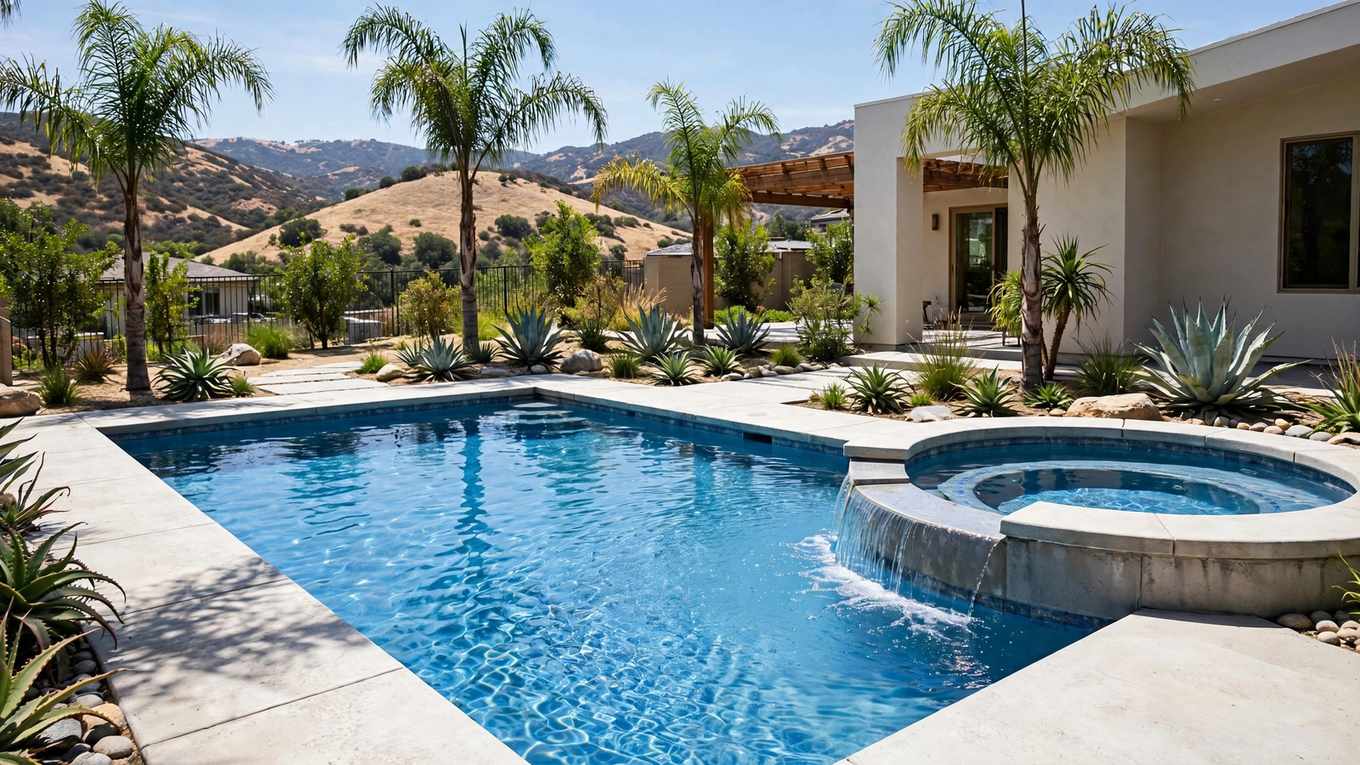
Pool & Spa Leak Detection
Pool and spa leak detection is the diagnosis of water loss from swimming pools, spas, and their equipment: dis…
Learn more →Signs You May Need Leak Detection in Dunlap
Some leaks announce themselves through damage rather than sound or smell. By the time drywall is soft or paint is peeling, water has usually been traveling inside the structure for a while, which is why Dunlap homeowners should treat visible damage as a symptom worth tracing, not just patching. Common damage-driven signs include:
- Peeling or bubbling paint on walls and ceilings
- Mold or mildew growth appearing in rooms that aren't humid by nature
- Warped or buckling flooring, especially near bathrooms and kitchens
- Stains spreading across ceilings or down walls
- Cracks in the foundation that seem to be widening or damp at the base
- Cabinetry swelling under sinks or around dishwashers
- Persistent condensation on interior walls
Patching the cosmetic damage without finding the source guarantees a repeat performance. When we respond to these calls in Dunlap, the instruments go straight to the damaged area and work outward until the entry point is confirmed, then your repair crew knows exactly where to open up.
How We Find Leaks in Dunlap
When a leak won't reveal itself to sound or heat, tracer gas changes the game. The water line is drained and filled with a harmless hydrogen-nitrogen mix; because hydrogen molecules are tiny, they escape through the break and rise to the surface, where a sensitive sniffer traces the gas plume back to within inches of the leak. It's remarkably precise for slab leaks and long buried runs where acoustic signals get muddy.
Pressure testing answers a different but equally important question: which line is actually leaking? By isolating sections of plumbing and monitoring gauges, a technician can prove whether the culprit is the hot line, the cold line, a bathroom branch, or the main service, before a single instrument is aimed at a wall. That diagnosis prevents the all-too-common mistake of opening the wrong area.
| Method | What it finds |
|---|---|
| Tracer gas | Pinpoint location of slab and buried-line leaks |
| Pressure testing | Which line or branch is losing water |
| Electronic line tracing | The underground path of buried pipes |
| Dye testing | Drain, shower-pan, and toilet-base leaks |
For Dunlap homes, these two methods often work as a pair: pressure testing narrows the search to one line, tracer gas walks it to the exact break, methodical leak detection that replaces guesswork with measurements at every step.
What a Leak Detection Visit Looks Like
A good leak detection visit follows the evidence in order, broad to narrow. Expect this sequence:
- Walkthrough: the technician tours the property with you, noting every symptom, stains, sounds, warm spots, the meter's behavior, and forms an initial hypothesis.
- Non-invasive scan: thermal cameras and moisture meters map the affected area without opening anything, showing where water has traveled.
- Targeted confirmation: acoustic equipment, pressure tests, or tracer gas zero in on the break itself, proving the location rather than estimating it.
- Marked location: the exact spot is marked and photographed, giving your plumber an unambiguous target.
- Detection-only report: you receive clear findings to hand to whoever does the repair, we locate leaks; your chosen plumber fixes them.
That handoff is deliberate. Because we don't sell repairs, there's no incentive to exaggerate, the findings are simply what the instruments showed, documented for your Dunlap home.
Areas We Serve in Dunlap
Our technicians provide leak detection throughout Dunlap, California, covering 1 zip code:
Show the zip code we serve in Dunlap
- 93621
Nearby Cities We Serve
Also serving neighboring communities around Dunlap, see all 988 California cities.
Why Homeowners in Dunlap Call Us
California is all we serve, and that focus shows in the work. Slab foundations, irrigation networks, pool plumbing, older galvanized lines, these are the patterns our technicians read every day, so Dunlap jobs benefit from experience matched to how homes here are actually built. Every appointment leads with non-invasive methods, offers same-day scheduling, and ends with a clearly marked, documented location. Licensed, insured, and equipped with the full professional toolkit, that's the standard for leak detection on every visit, in every ZIP code we cover. When detection is all you do, you get very good at it.