 Leak Detection California
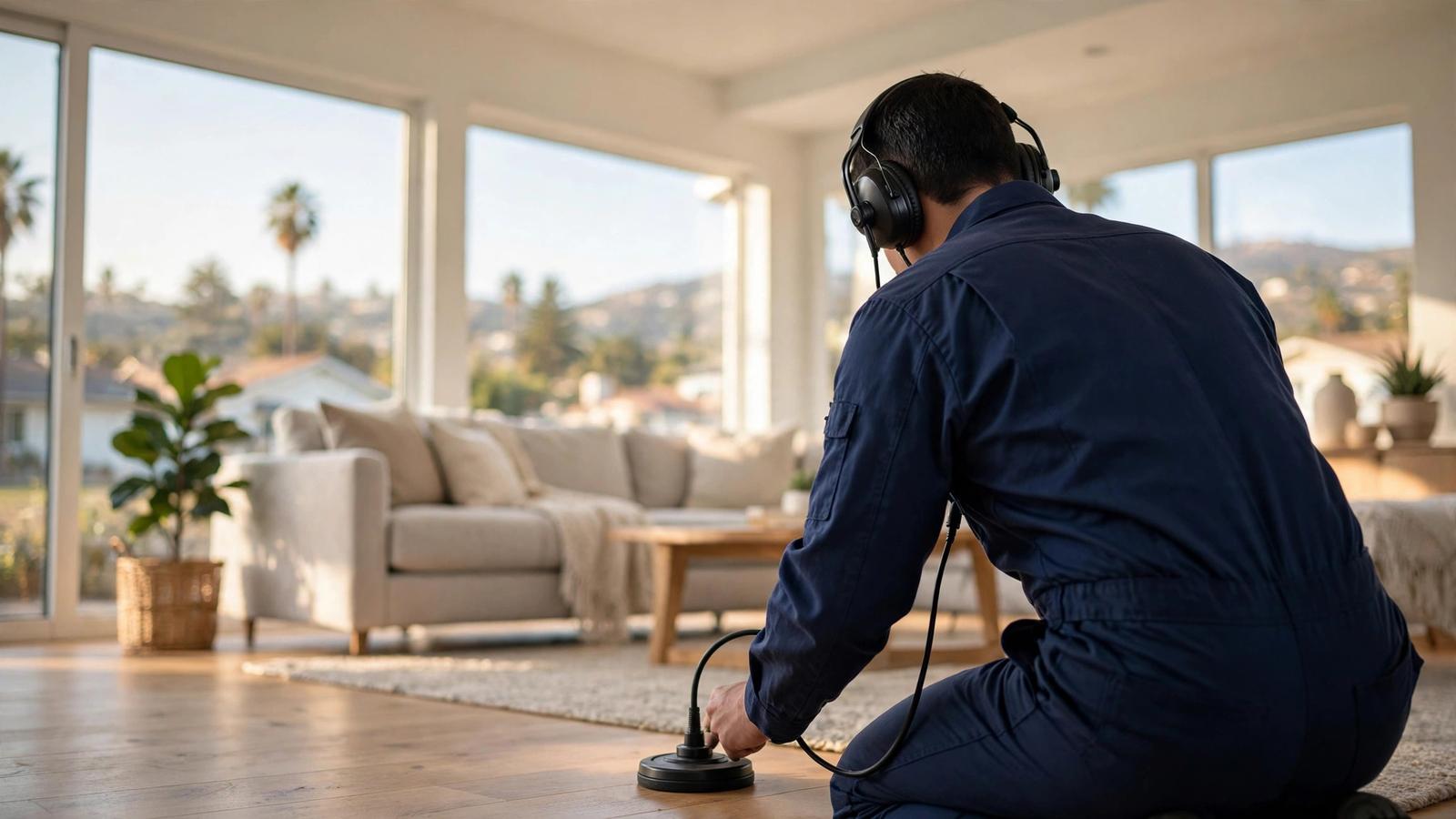
Leak detection used to mean opening walls and hoping the first cut found something. Today's approach is the reverse: prove the location first, open things up only when the evidence says so. Acoustic sensors pick up the hiss of pressurized water escaping through a pinhole; thermal cameras reveal the cool signatures of evaporating moisture behind drywall; tracer gas and pressure testing confirm which line is compromised.
Each Canyon job gets the combination that fits the symptoms, not a one-size-fits-all sweep. A warm spot on the floor points one way; a meter that spins with everything off points another. For Canyon homeowners across the 1 ZIP code we cover, the goal is identical: narrow the search to inches before a single tile is lifted, so the repair that follows is smaller, quicker, and over sooner.
Leak Detection Notes for Canyon Homes
Canyon is a small Contra Costa County community in the Oakland Hills, where cabins, older hillside homes, and newer forest builds sit on steep wooded slopes above the valley. Hillside terrain, redwood and oak forest soil, and well water shape its leak work: water runs downhill along trenches, long private runs wind through forest, and heavy winter rain keeps ground saturated for months. Older hillside homes often carry original pipe with later additions from remodels.
Canyon homeowners should watch for a pump that cycles when the house is idle, a damp slope patch that persists through a dry spell, and a pressure gauge that will not settle. In steep forest country, the wet spot usually sits below the break, so tracing the line route uphill finds the source with less digging and less hillside disturbance.
Leak Detection Services in Canyon
Specialized detection for every kind of leak, see all 15 services.
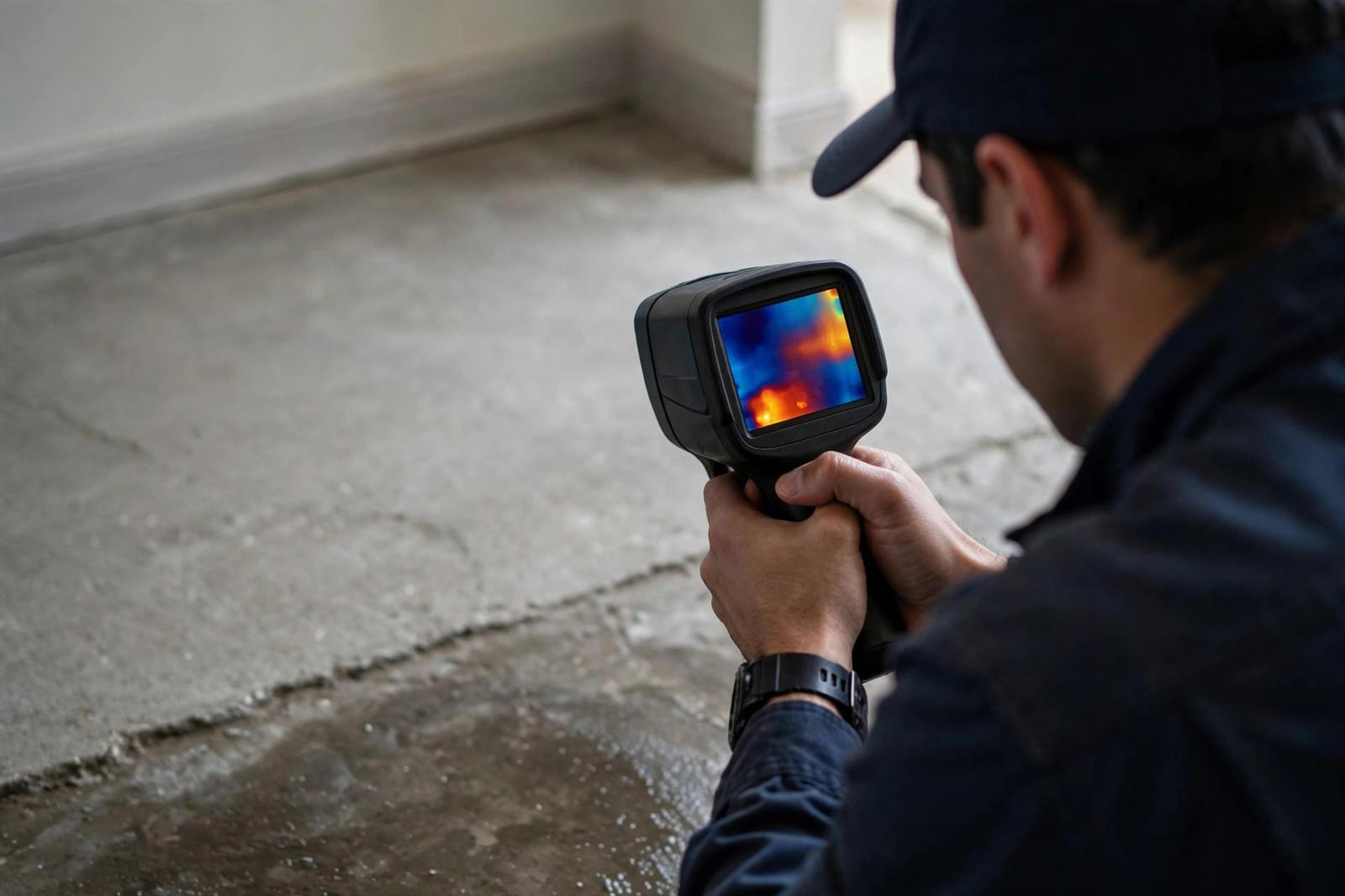
Slab Leak Detection
A slab leak is a leak in the water supply or drain lines that run beneath your home's concrete slab foundation…
Learn more →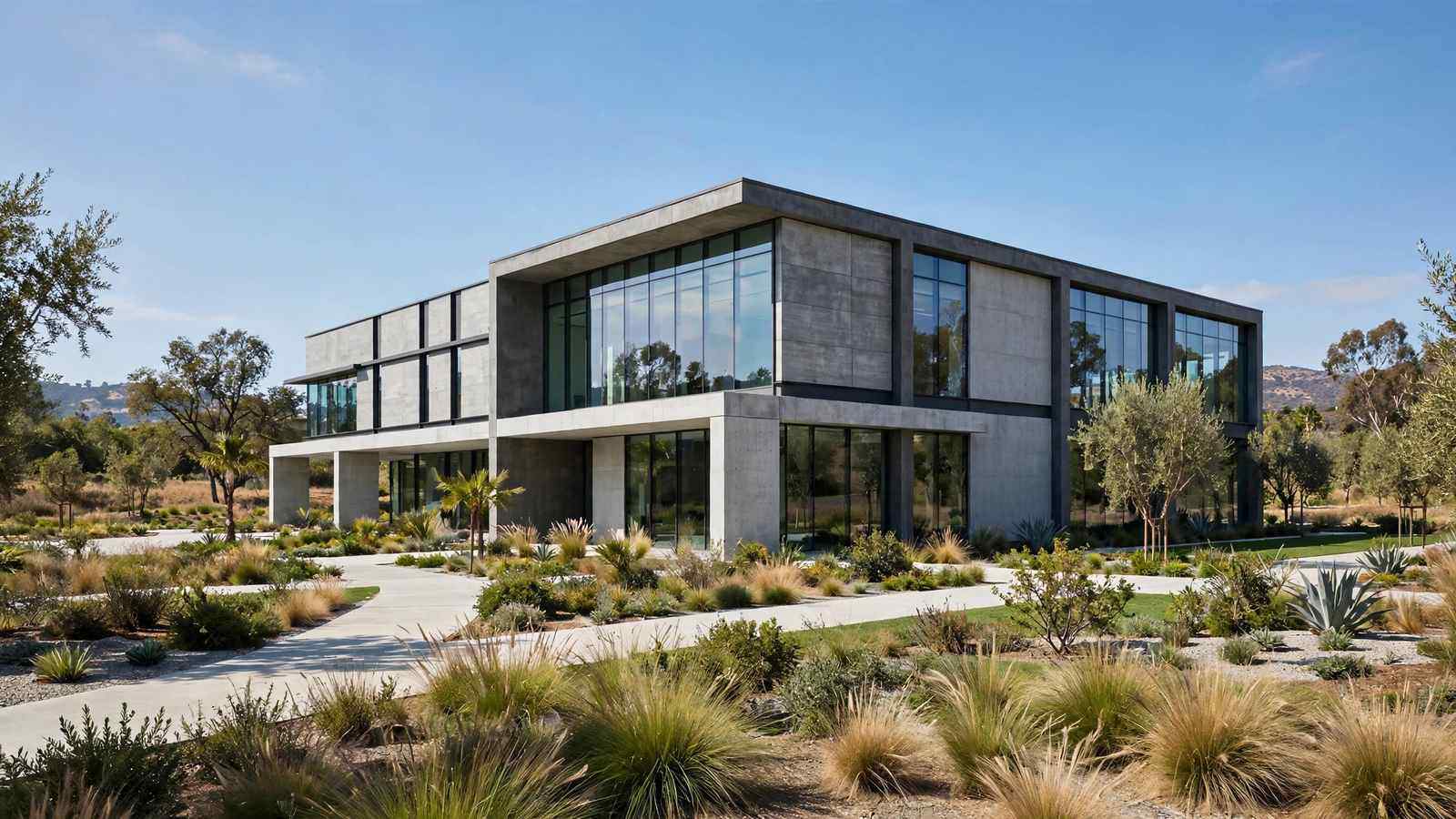
Commercial Leak Detection
Commercial leak detection is the location of hidden water leaks in non-residential properties: office building…
Learn more →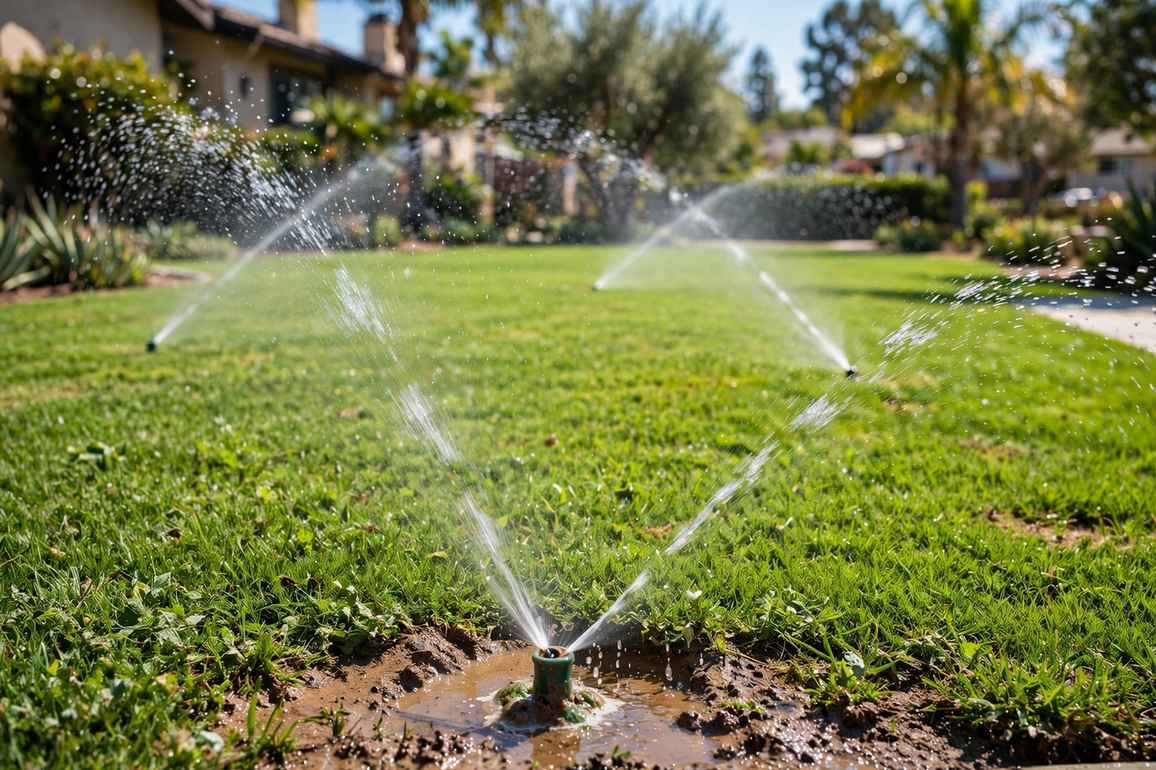
Irrigation & Sprinkler Leak Detection
Irrigation and sprinkler leak detection is the process of finding water losses in landscape watering systems:…
Learn more →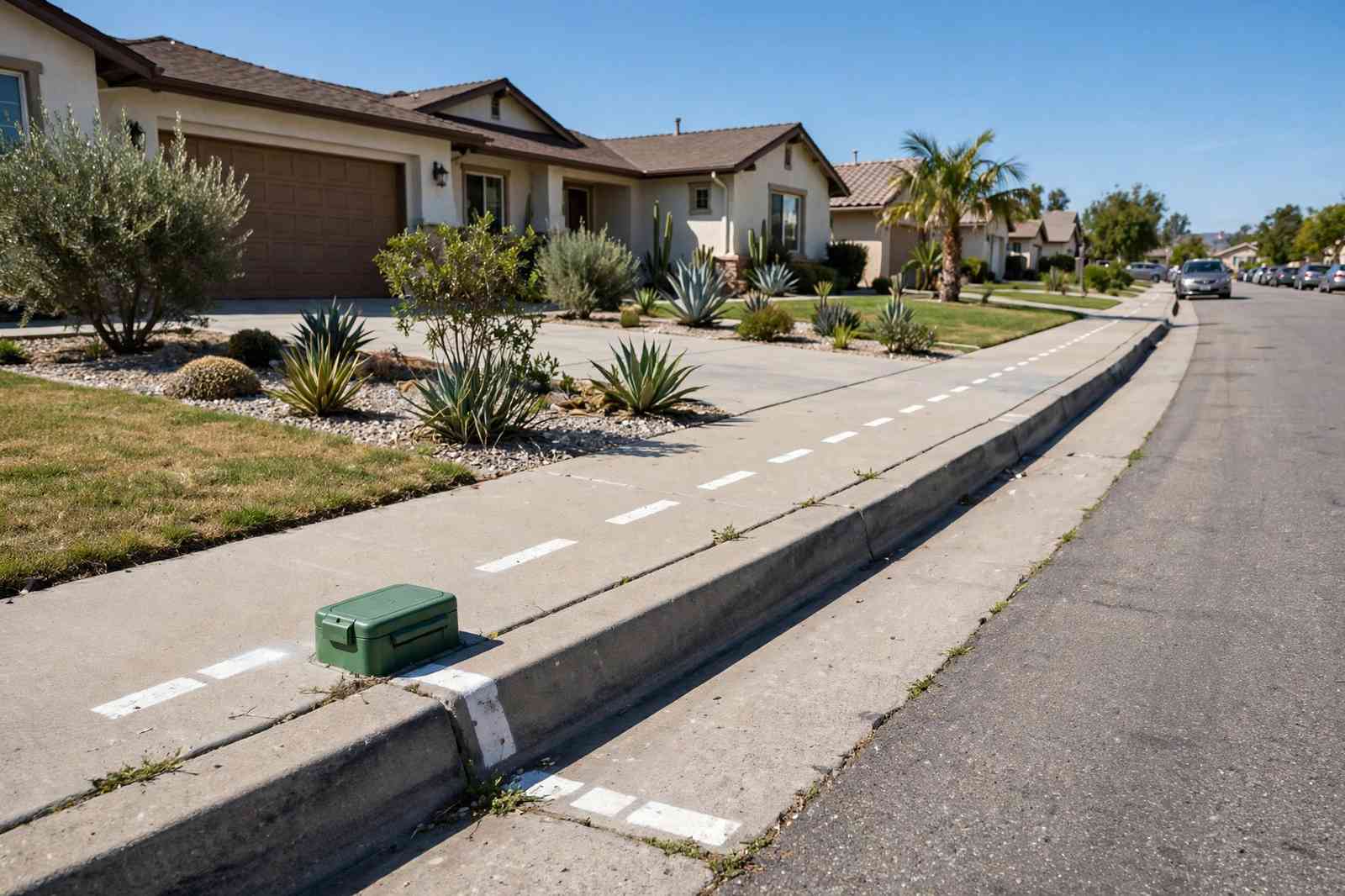
Water Service Line Leak Detection
Water service line leak detection targets one specific pipe: the pressurized line running from the street's wa…
Learn more →Signs You May Need Leak Detection in Canyon
Some leaks announce themselves through damage rather than sound or smell. By the time drywall is soft or paint is peeling, water has usually been traveling inside the structure for a while, which is why Canyon homeowners should treat visible damage as a symptom worth tracing, not just patching. Common damage-driven signs include:
- Peeling or bubbling paint on walls and ceilings
- Mold or mildew growth appearing in rooms that aren't humid by nature
- Warped or buckling flooring, especially near bathrooms and kitchens
- Stains spreading across ceilings or down walls
- Cracks in the foundation that seem to be widening or damp at the base
- Cabinetry swelling under sinks or around dishwashers
- Persistent condensation on interior walls
Patching the cosmetic damage without finding the source guarantees a repeat performance. When we respond to these calls in Canyon, the instruments go straight to the damaged area and work outward until the entry point is confirmed, then your repair crew knows exactly where to open up.
How We Find Leaks in Canyon
Every leak leaves a signature, sound, heat, pressure, or chemistry, and professional locating is really about reading the right signature with the right instrument. For pressurized supply lines, acoustic listening is the workhorse: highly sensitive ground microphones and listening discs pick up the hiss of water escaping through a pinhole, and a trained ear distinguishes a leak's sound from normal pipe noise. It shines on copper and PEX lines under slabs and behind walls.
Thermal imaging reads a different signature. Infrared cameras detect the temperature differences caused by evaporating moisture, making hidden wet areas behind drywall or under flooring visible as cool patterns. It's fast, completely non-invasive, and excellent for mapping how far moisture has already spread.
| Method | What it finds |
|---|---|
| Acoustic listening | Pressurized supply-line leaks under slabs and behind walls |
| Thermal imaging | Moisture spread and hidden wet areas behind surfaces |
| Moisture meters | Exact moisture levels in drywall, wood, and concrete |
| Pressure testing | Which line or section is losing pressure |
In practice, Canyon jobs rarely rely on a single method: a thermal scan maps the wet zone, acoustic gear pinpoints the break inside it, and a moisture meter confirms the boundaries, layered leak detection that keeps the final repair opening as small as possible.
What a Leak Detection Visit Looks Like
A good leak detection visit follows the evidence in order, broad to narrow. Expect this sequence:
- Walkthrough: the technician tours the property with you, noting every symptom, stains, sounds, warm spots, the meter's behavior, and forms an initial hypothesis.
- Non-invasive scan: thermal cameras and moisture meters map the affected area without opening anything, showing where water has traveled.
- Targeted confirmation: acoustic equipment, pressure tests, or tracer gas zero in on the break itself, proving the location rather than estimating it.
- Marked location: the exact spot is marked and photographed, giving your plumber an unambiguous target.
- Detection-only report: you receive clear findings to hand to whoever does the repair, we locate leaks; your chosen plumber fixes them.
That handoff is deliberate. Because we don't sell repairs, there's no incentive to exaggerate, the findings are simply what the instruments showed, documented for your Canyon home.
Areas We Serve in Canyon
Our technicians provide leak detection throughout Canyon, California, covering 1 zip code:
Show the zip code we serve in Canyon
- 94516
Nearby Cities We Serve
Also serving neighboring communities around Canyon, see all 988 California cities.
Why Homeowners in Canyon Call Us
California is all we serve, and that focus shows in the work. Slab foundations, irrigation networks, pool plumbing, older galvanized lines, these are the patterns our technicians read every day, so Canyon jobs benefit from experience matched to how homes here are actually built. Every appointment leads with non-invasive methods, offers same-day scheduling, and ends with a clearly marked, documented location. Licensed, insured, and equipped with the full professional toolkit, that's the standard for leak detection on every visit, in every ZIP code we cover. When detection is all you do, you get very good at it.