 Leak Detection California

Leak detection used to mean opening walls and hoping the first cut found something. Today's approach is the reverse: prove the location first, open things up only when the evidence says so. Acoustic sensors pick up the hiss of pressurized water escaping through a pinhole; thermal cameras reveal the cool signatures of evaporating moisture behind drywall; tracer gas and pressure testing confirm which line is compromised.
Each Calabasas job gets the combination that fits the symptoms, not a one-size-fits-all sweep. A warm spot on the floor points one way; a meter that spins with everything off points another. For Calabasas homeowners across the 2 ZIP codes we cover, the goal is identical: narrow the search to inches before a single tile is lifted, so the repair that follows is smaller, quicker, and over sooner.
Leak Detection Notes for Calabasas Homes
Calabasas is a Los Angeles County city in the western San Fernando Valley foothills, where newer hillside subdivisions, gated communities, and older ranch properties sit among oak covered slopes. Hillside grades, expansive soil, and large landscaped lots shape its leak work: water follows slopes downhill, irrigation systems are extensive, and slab foundations are common in the newer tracts. Mature oaks and ornamental trees send roots toward aging yard lines.
Calabasas homeowners should watch for a damp slope below a landscaped terrace, a bill that rises without a change in watering schedule, and a meter that moves when the house is quiet. Pausing irrigation and rechecking the meter separates a sprinkler loss from a house line loss, and on a hillside that test also tells whether to look uphill of the wet spot.
Leak Detection Services in Calabasas
Specialized detection for every kind of leak, see all 15 services.
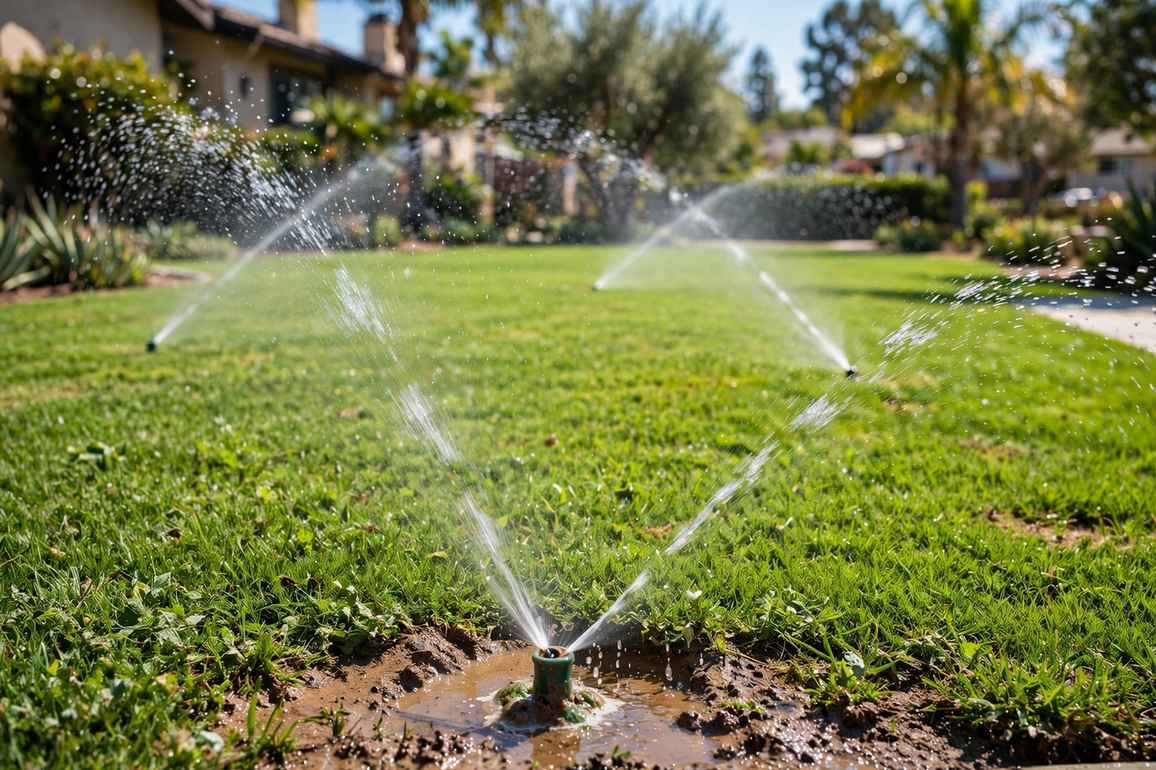
Irrigation & Sprinkler Leak Detection
Irrigation and sprinkler leak detection is the process of finding water losses in landscape watering systems:…
Learn more →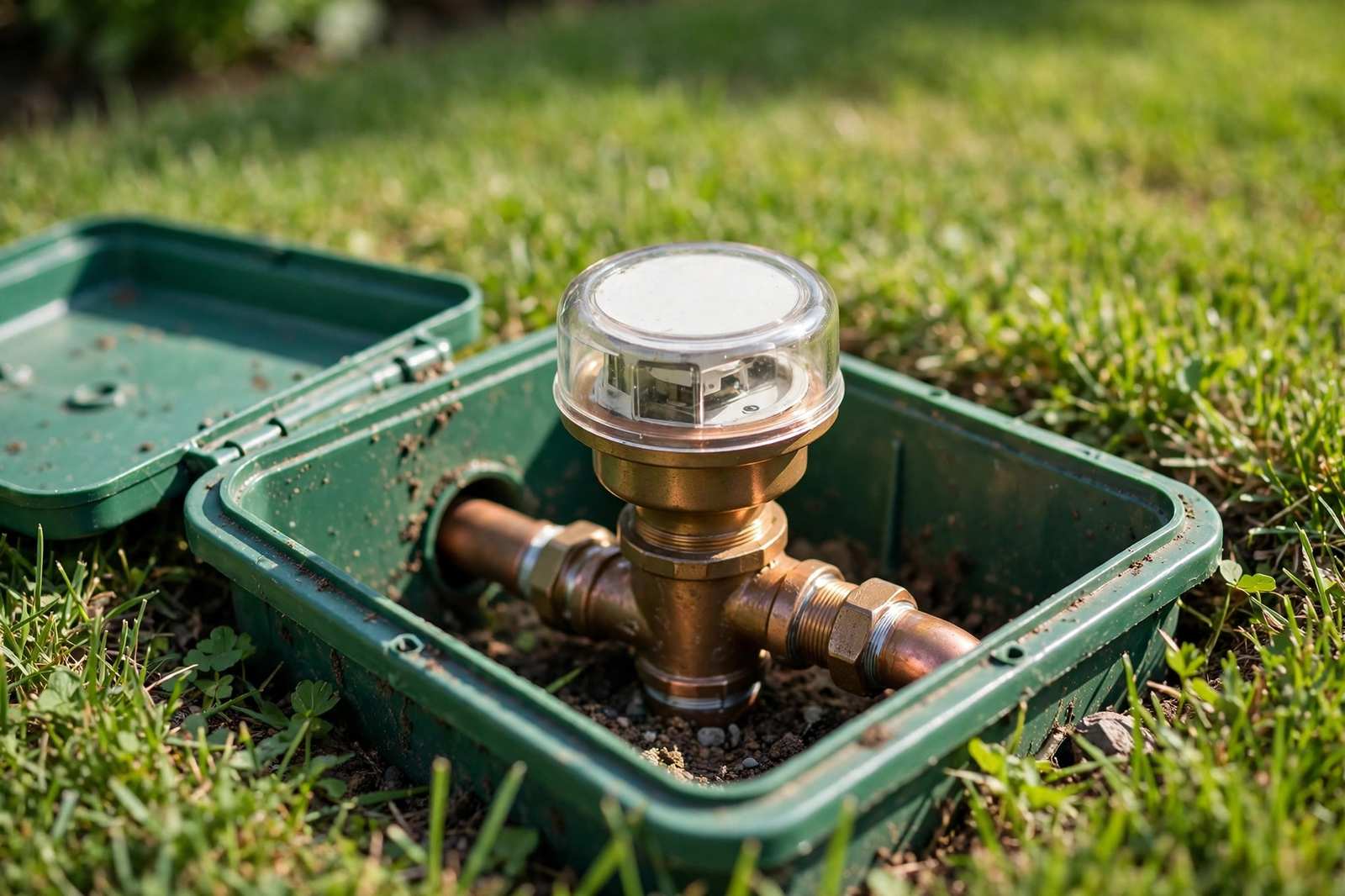
Water Meter Leak Detection
Water meter leak detection is the use of your water meter as a diagnostic instrument. That unassuming dial or…
Learn more →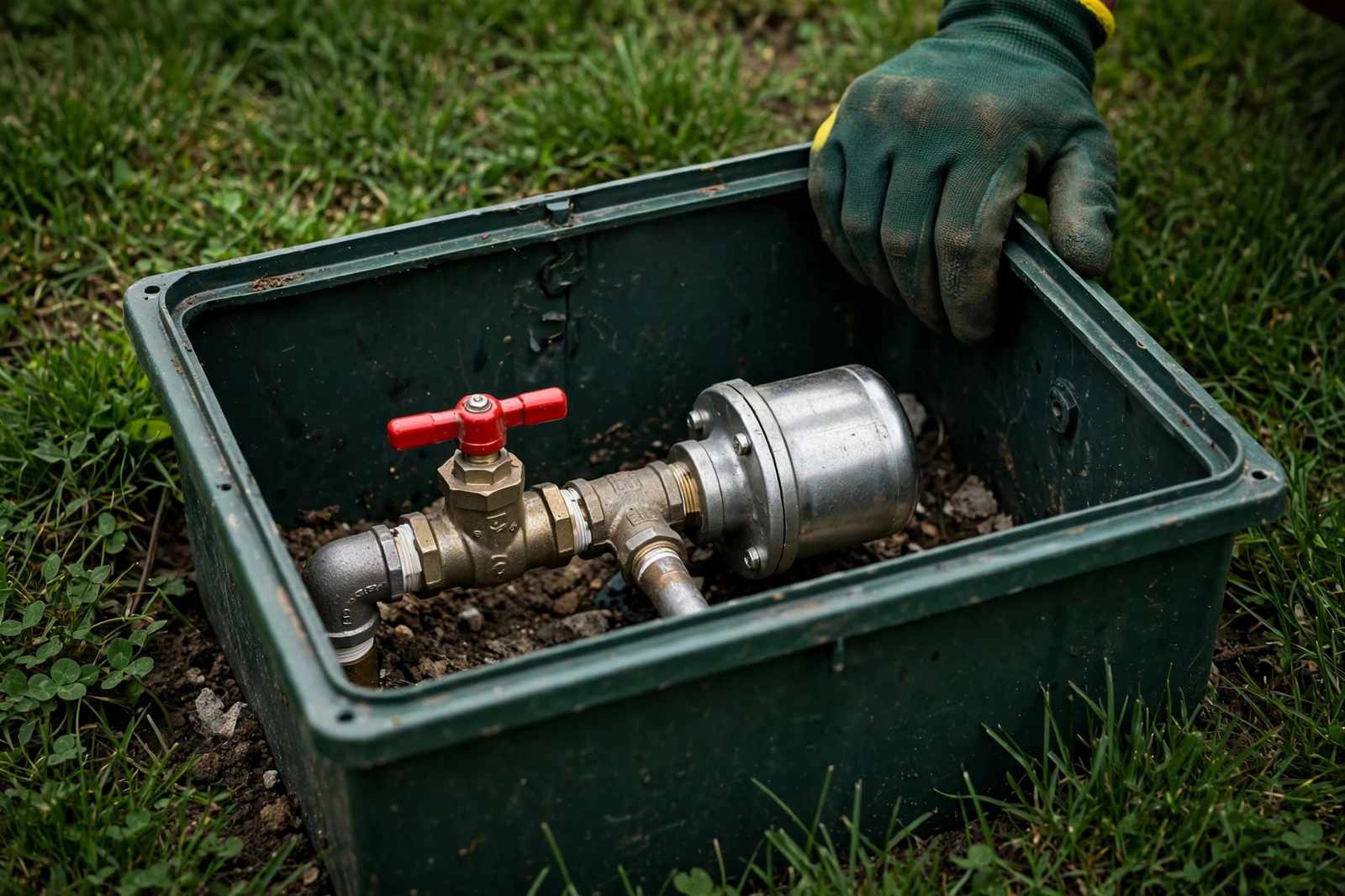
Yard Meter Box Leak Detection
Yard meter box leak detection is meter-side diagnostics: the focused investigation of everything happening in…
Learn more →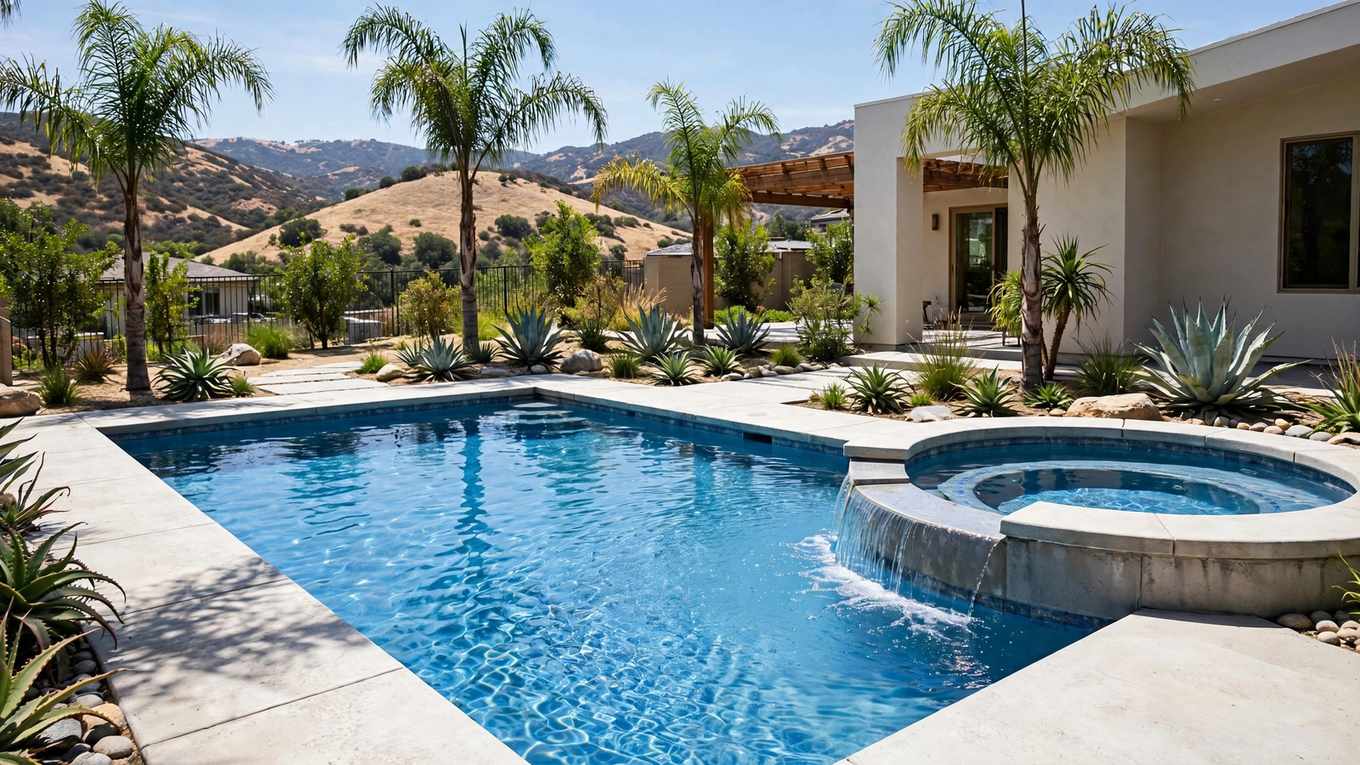
Pool & Spa Leak Detection
Pool and spa leak detection is the diagnosis of water loss from swimming pools, spas, and their equipment: dis…
Learn more →Signs You May Need Leak Detection in Calabasas
The cheapest leaks to fix are the ones caught early, before drywall is ruined or flooring buckles. Early-stage signs are subtle, which is exactly why they get ignored for weeks. In Calabasas, these quiet clues are the ones worth acting on:
- A faint musty smell in one room that airing out never fixes
- Warm patches on tile or concrete with no heating source beneath
- Water sounds in walls or floors when the house is quiet
- Gradually dropping water pressure across the home
- Paint edges curling or wallpaper loosening in one area
- Indoor humidity that feels higher than the weather justifies
- Dampness at the base of walls or along the foundation line
- The two-hour meter test: note the dial, use no water for two hours, check again, movement means something is flowing
Catching a leak at this stage usually means a small, contained repair instead of a renovation. Our Calabasas leak detection appointments are built for exactly these early calls: confirm whether water is actually escaping, and if so, mark precisely where.
How We Find Leaks in Calabasas
Every leak leaves a signature, sound, heat, pressure, or chemistry, and professional locating is really about reading the right signature with the right instrument. For pressurized supply lines, acoustic listening is the workhorse: highly sensitive ground microphones and listening discs pick up the hiss of water escaping through a pinhole, and a trained ear distinguishes a leak's sound from normal pipe noise. It shines on copper and PEX lines under slabs and behind walls.
Thermal imaging reads a different signature. Infrared cameras detect the temperature differences caused by evaporating moisture, making hidden wet areas behind drywall or under flooring visible as cool patterns. It's fast, completely non-invasive, and excellent for mapping how far moisture has already spread.
| Method | What it finds |
|---|---|
| Acoustic listening | Pressurized supply-line leaks under slabs and behind walls |
| Thermal imaging | Moisture spread and hidden wet areas behind surfaces |
| Moisture meters | Exact moisture levels in drywall, wood, and concrete |
| Pressure testing | Which line or section is losing pressure |
In practice, Calabasas jobs rarely rely on a single method: a thermal scan maps the wet zone, acoustic gear pinpoints the break inside it, and a moisture meter confirms the boundaries, layered leak detection that keeps the final repair opening as small as possible.
What a Leak Detection Visit Looks Like
A good leak detection visit follows the evidence in order, broad to narrow. Expect this sequence:
- Walkthrough: the technician tours the property with you, noting every symptom, stains, sounds, warm spots, the meter's behavior, and forms an initial hypothesis.
- Non-invasive scan: thermal cameras and moisture meters map the affected area without opening anything, showing where water has traveled.
- Targeted confirmation: acoustic equipment, pressure tests, or tracer gas zero in on the break itself, proving the location rather than estimating it.
- Marked location: the exact spot is marked and photographed, giving your plumber an unambiguous target.
- Detection-only report: you receive clear findings to hand to whoever does the repair, we locate leaks; your chosen plumber fixes them.
That handoff is deliberate. Because we don't sell repairs, there's no incentive to exaggerate, the findings are simply what the instruments showed, documented for your Calabasas home.
Areas We Serve in Calabasas
Our technicians provide leak detection throughout Calabasas, California, covering 2 zip codes:
Show all 2 zip codes we serve in Calabasas
- 91302
- 91372
Nearby Cities We Serve
Also serving neighboring communities around Calabasas, see all 988 California cities.
Why Homeowners in Calabasas Call Us
California is all we serve, and that focus shows in the work. Slab foundations, irrigation networks, pool plumbing, older galvanized lines, these are the patterns our technicians read every day, so Calabasas jobs benefit from experience matched to how homes here are actually built. Every appointment leads with non-invasive methods, offers same-day scheduling, and ends with a clearly marked, documented location. Licensed, insured, and equipped with the full professional toolkit, that's the standard for leak detection on every visit, in every ZIP code we cover. When detection is all you do, you get very good at it.